Few figures in American history remain as relevant as Abraham Lincoln, whose words continue to inspire, challenge, and guide us decades after his time. His leadership during one of the nation’s darkest periods produced timeless insights on perseverance, integrity, and human dignity. These quotes aren’t just historical artifacts—they’re living principles that resonate in modern challenges, from personal growth to societal progress. Below, we explore ten of Lincoln’s most enduring quotes, each paired with reflections on why they still matter today.
On Leadership and Vision

“Nearly all men can stand adversity, but if you want to test a man’s character, give him power.” This quote cuts to the heart of modern leadership dilemmas. In an era where influence is often measured by social media followers or corporate titles, Lincoln’s words remind us that true leadership isn’t about control—it’s about responsibility. Leaders today face scrutiny like never before, and this quote serves as a humbling check against the corrupting nature of unchecked authority.
On Perseverance and Resilience
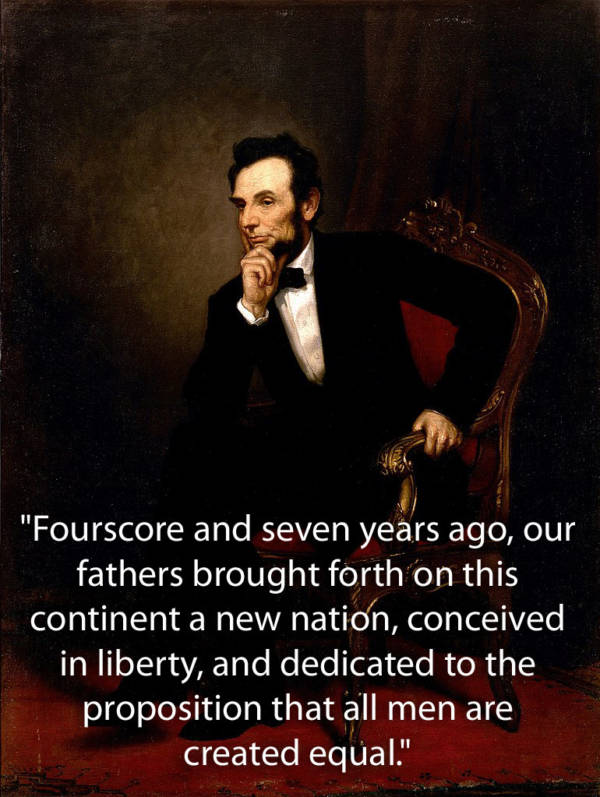
“I walk slowly, but I never walk backward.” In a world obsessed with speed and instant results, Lincoln’s commitment to steady progress feels revolutionary. Whether you’re navigating a career setback or personal hardship, this quote encourages patience without resignation. It’s a call to keep moving forward, even when the path isn’t clear—because direction matters more than velocity.
On Integrity and Truth

“I desire so to conduct the affairs of this administration that if at the end… I have lost every other friend on earth, I shall at least have one friend left, and that friend shall be down inside me.” In an age of performative authenticity and fleeting loyalties, Lincoln’s emphasis on inner integrity stands out. This quote isn’t just about avoiding hypocrisy—it’s about building a moral compass that outlasts external validation.
On Equality and Justice

“As I would not be a slave, so I would not be a master. This expresses my idea of democracy.” These words, written in 1858, remain a radical challenge to modern inequalities. Whether discussing systemic racism, workplace hierarchies, or global power imbalances, Lincoln’s rejection of oppression in all forms forces us to confront uncomfortable truths about fairness and freedom.
On the Power of Words

“Public sentiment is everything. With public sentiment, nothing can fail; without it, nothing can succeed.” Today, public sentiment is shaped by algorithms, viral trends, and echo chambers. Lincoln’s insight underscores the weight of collective belief—whether in politics, business, or social movements. It’s a reminder that ideas, when communicated with clarity and conviction, can change the course of history.
On Self-Reliance
“Whatever you are, be a good one.” This deceptively simple quote cuts across professions and ambitions. In a gig economy that glorifies hustle culture, Lincoln’s advice is a grounding force. It doesn’t matter if you’re a teacher, an artist, or a software developer—excellence in your craft is a form of rebellion against mediocrity.
On the Cost of War
“I have always hated war as I hate hell, and it would be strange indeed if I, who have seen so much of its horrors, did not hate it.” These words gain new relevance in an era where war’s devastation is broadcast in real time. Lincoln’s aversion to conflict isn’t naive pacifism; it’s a recognition of war’s human toll—a toll that extends far beyond battlefields into families, economies, and generations.
On the Importance of Education
“The philosophy of the school room in one generation will be the philosophy of government in the next.” In a time when education is politicized and underfunded, Lincoln’s link between learning and governance feels urgent. This quote isn’t just about formal schooling—it’s about the responsibility to nurture critical thinking, because the future of democracy depends on an informed citizenry.
On Forgiveness and Reconciliation
“I destroy my enemies when I make them my friends.” This idea challenges the modern tendency to demonize opponents. Whether in personal relationships or political divides, Lincoln’s approach to conflict resolution offers a path forward: transformation, not destruction. It’s a radical act of defiance against cycles of vengeance.
On the Legacy of Actions
“In the end, it’s not the years in your life that count. It’s the life in your years.” In a culture that equates success with longevity or accumulation, Lincoln’s focus on meaningful living is a breath of fresh air. This quote isn’t about chasing experiences for their own sake—it’s about leaving a mark that outlasts your time on earth.