


In his groundbreaking book Drive, Daniel Pink unpacks the core elements that truly motivate us—not external rewards, but deeper psychological needs. Autonomy, mastery, and purpose form the triumvirate that fuels creativity and fulfillment in both work and life. If you’re ready to shift how you think about motivation, these ten quotes from Pink’s insights will challenge your assumptions and inspire new perspectives.
The Three Things That Motivate Creative People

“The three things that motivate creative people are autonomy, mastery, and purpose.” This fundamental observation from Pink reframes motivation beyond traditional carrots and sticks. It promises a fresh understanding: what fuels creativity is not external reward but internal drive—our desire to direct our own lives, get better at what matters, and contribute meaningfully.
Embracing Autonomy in Your Work
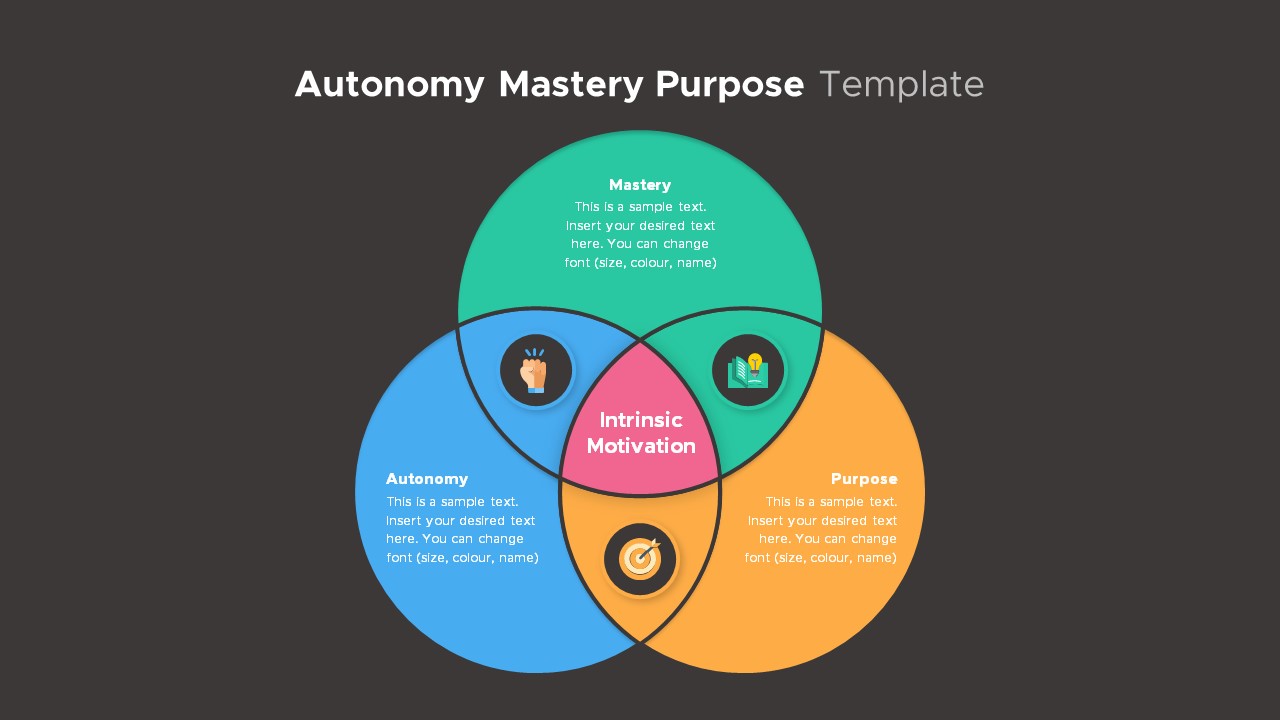
Autonomy is the urge to direct our own lives. Pink encourages us to think about how different our engagement with tasks would be if we had freedom over how, when, and what we do. This shift in perspective challenges the usual command-and-control approach, promising greater motivation simply by providing space for self-direction.
Mastery: The Desire to Improve

Mastery is what keeps people grinding—the urge to get better and better at stuff that matters. Pink highlights that mastery is a mindset, a continual journey rather than a final destination. Recognizing mastery as a motivator invites us to see challenges not as obstacles but as opportunities to grow and deepen our skills.
Purpose: Connecting with a Cause Bigger Than Yourself

Purpose ties motivation to a broader sense of meaning. Pink reminds us that when we feel our work contributes to something larger than ourselves, our drive intensifies. This insight invites a paradigm shift: motivation isn’t just personal gain but the impact we make in the world around us.
Unlocking Motivation through Autonomy, Mastery, and Purpose

By weaving together autonomy, mastery, and purpose, Pink offers a compelling alternative to traditional motivation theories. Rather than relying on external incentives, he suggests that true motivation emerges when people feel empowered, capable, and connected. This trio shifts the energy from compliance to creativity.
“Control leads to compliance; autonomy leads to engagement.”
Pink’s research reveals that when individuals are micromanaged, they comply but do not fully engage. But granting autonomy unlocks a deeper investment in work and life, changing how we experience motivation and productivity on a fundamental level.
“Mastery is a mindset, not a destiny.”
This quote reframes mastery as an ongoing process rather than a fixed goal. It invites us to embrace learning, setbacks, and persistence as the fuel for long-term motivation, turning challenges into stepping stones toward growth.
“Purpose maximizes motivation by creating meaning.”
Finding purpose in what we do boosts motivation beyond what money or rewards alone can achieve. It connects our daily actions to a larger mission, making each task feel more valuable and inspiring.
“The secret to high performance isn’t rewards and punishments, but unseen intrinsic drive.”
Pink challenges the long-held belief that carrot-and-stick incentives are the best motivators. Instead, intrinsic desires—autonomy, mastery, and purpose—are the real engine behind exceptional performance.
“When people are lined up to pursue autonomy, mastery, and purpose, extraordinary things happen.”
This final nugget promises that aligning motivation with these three pillars doesn’t just improve outcomes, but transforms how people feel and engage with their work. It suggests a new way of thinking about motivation that’s richer and more fulfilling.
