


In a world often torn by conflict and strife, the concept of pacifism offers a profound shift in how we understand the nature of war and peace. The moral equivalent of war challenges us to find alternative battles—ones fought with ideas, innovation, and compassion rather than violence. Below, we explore 10 compelling quotes that illuminate different facets of pacifism, each revealing a unique perspective on the battle for peace.
Orwell’s Candid Reflection on Pacifism

George Orwell’s insights on pacifism cut through the ideological fog, reminding us of the complexities inherent in choosing peace over violence. His reflections challenge the idealized notion of pacifism, urging us to consider the moral compromises often required in a violent world.
The Struggles Behind Choosing Peace

Another piercing moment from Orwell’s work highlights the paradox faced by pacifists—holding steadfast to peace while confronting a reality where violence sometimes seems unavoidable. This quote invites us to wrestle with the tension between ideals and pragmatism.
Albert Camus on the Value of Life and Justice

Albert Camus’s powerful maxim forces a reconsideration of what truly justifies sacrifice. For Camus, life holds an intrinsic worth that transcends the justification for violence, suggesting that the ultimate sacrifice may be noble, but taking life is never justified in pursuit of peace.
Eleanor Roosevelt’s Vision of Enduring Peace
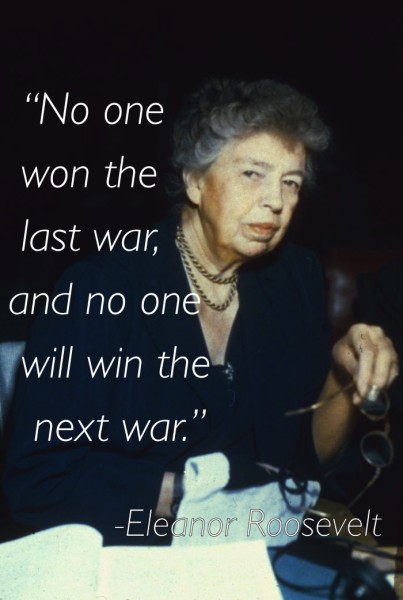
Eleanor Roosevelt embodies the courage of hope in her thoughts on pacifism, emphasizing that the pursuit of peace is a continuous effort requiring resilience and moral fortitude. Her words encourage us to see peace as an active, enduring struggle worth embracing.
Orwell’s Stark Warning: War and Peace Reinterpreted

This iconic Orwellian paradox conveys the confusing nature of truth in wartime society. By unsettling conventional categories, Orwell pushes us to question the narratives that justify war, urging us to reconsider the conventional definitions of peace and freedom through a pacifist lens.
The Courage Required to Choose the Harder Path
The moral equivalent of war isn’t about avoiding conflict but transforming it—a war fought with intellect and ideals rather than bombs and bullets. This shift in battlefields demands courage, wisdom, and a willingness to endure hardship for the sake of a broader, more lasting peace.
Pacifism as Active Resistance
Pushing beyond passive opposition, pacifism can be an active stance against injustice. It embodies constructive action and challenges systemic violence in rather than mere withdrawal from conflict, redefining what it means to be engaged in the fight for a better world.
Reimagining the Enemy
In the moral equivalent of war, the “enemy” becomes ignorance, hatred, and fear rather than human beings. This redefinition encourages compassion and dialogue, fostering understanding instead of division, and ultimately creating new pathways toward reconciliation.
The Power of Ideas Over Arms
The battlefield of ideas can be far more transformative than any physical conflict. Pacifism elevates intellectual perseverance and the power of empathy, suggesting that lasting change arises not from domination but from mutual respect and shared progress.
Hope as an Unyielding Force
Ultimately, pacifism rests on hope—a belief in the potential for human beings to overcome violence through unity and moral strength. The moral equivalent of war challenges us to carry this hope forward, turning it into a guiding force capable of reshaping the future.
