Save more, spend less—but what if the key to building wealth wasn’t just about tighter budgets or relentless grind? What if it started with the right mindset? Money isn’t just about numbers; it’s about choices, habits, and the quiet clarity that transforms “I can’t” into “I choose not to”. Every cent saved is an investment in your freedom, your security, and the life you’ve yet to live. But where do those tiny but powerful shifts come from? Not from willpower alone—sometimes, a single phrase or a well-timed reminder can reignite motivation and shift your approach entirely.
Here are **10 quotes** that don’t just scratch the surface of saving—they rewrite it. Each one carries a spark of insight that could become the catalyst. Below, you’ll find visuals paired with ideas that challenge, inspire, or reframe how you view money. The prompts might make you pause, nod, or—most importantly—take action.
—
A Penny Saved is a Penny Earned

This classic isn’t just fluff—it’s economics in its purest form. Every $5 left in your account isn’t a minor detail; it’s a seed planted for future growth. Think of it as “interest” on your commitment to yourself. Start small: the $3 coffee you skip daily becomes a weekly stash of $21. A month? Close to a free tank of gas or a meal out without the guilt. The trick isn’t deprivation; it’s discipline disguised as convenience. What if your “excess” is exactly what’s holding you back from the life you’re saving for?
—
Don’t Save What Is Left After Spending; Spend What Is Left After Saving
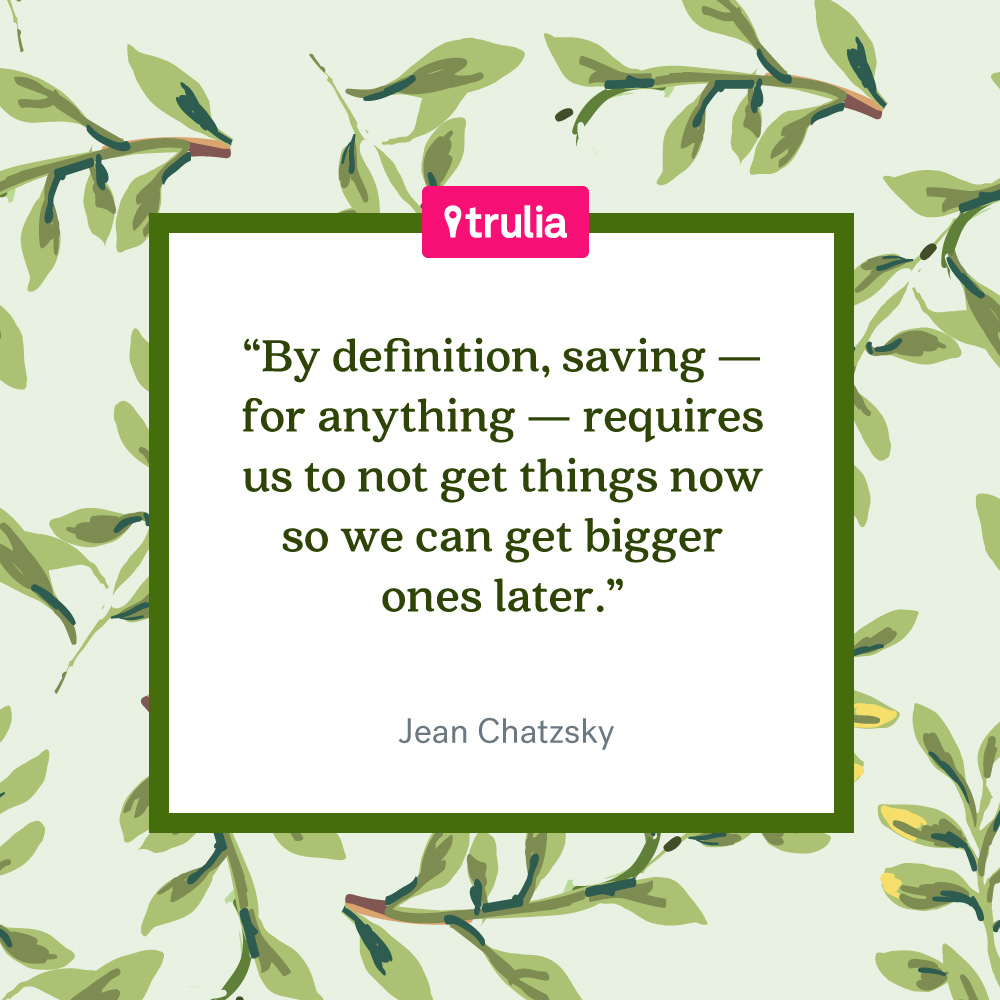
The reverse pyramid is brilliant here: your expenses should adjust to your savings, not the other way around. Many people fall into the “I’ll save what’s left” trap—only to realize at month-end there’s nothing left. But prioritize: First, set aside your savings goal (even if it’s a percentage of your income) and treat it like an unnegotiable bill. Then, work backward: *Where?* Can you trim unnecessary spending, barter instead of spend, or invest in free alternatives?
The result? You’ll notice freedom in what you choose not to buy rather than scarcity in every penny.
—
Make Every Dollar Work for You Rather Than the Other Way Around
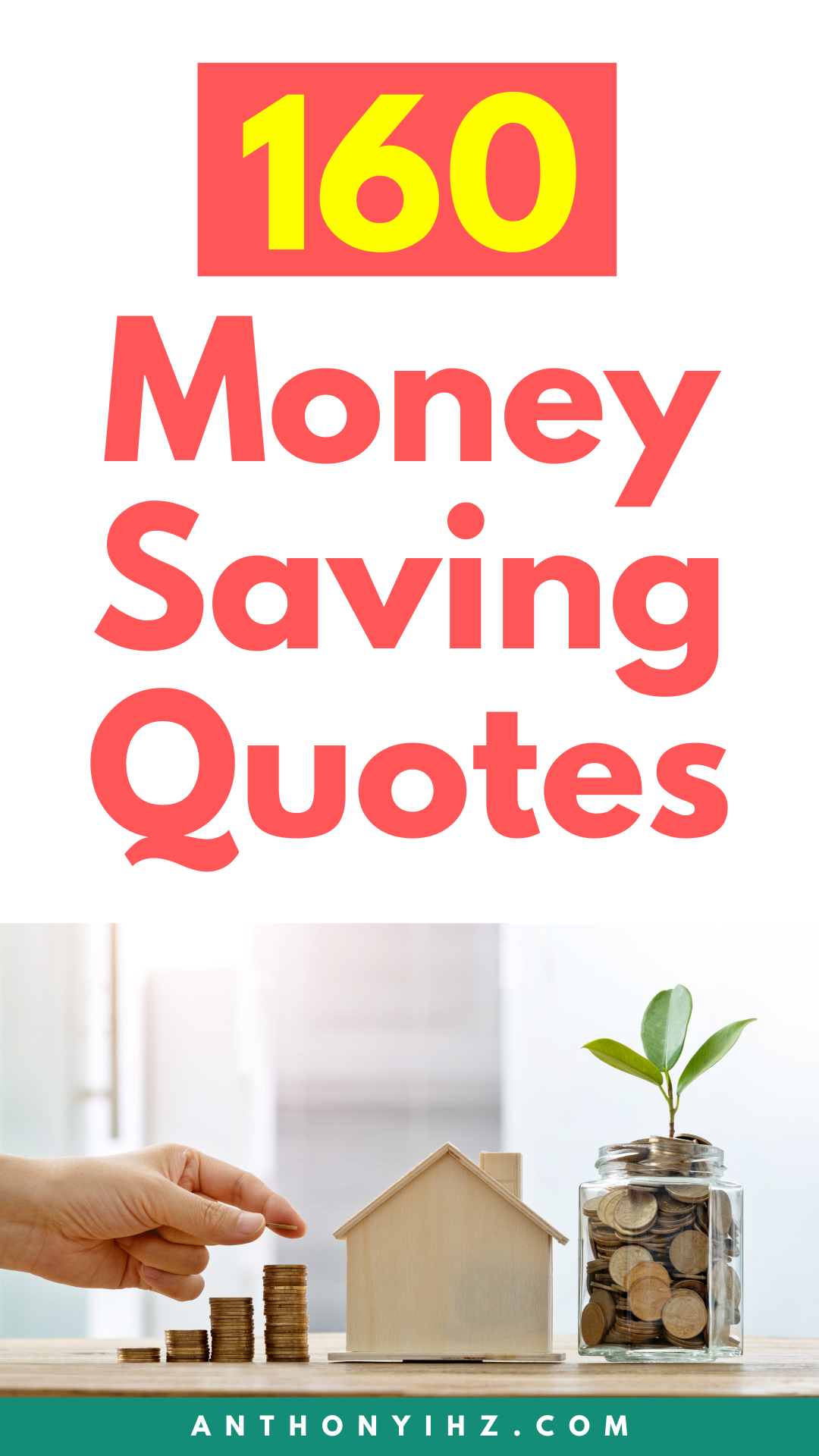
Your money isn’t just dormant cash sitting in an account—it’s an active ally. Are you nurturing it? A savings account earning 0.5% interest? Try a high-yield account. Need to save for a goal with urgency? Try rounding up spare change or a “micro-investment” app to automate the habit. The shift from “just save” to “grow” is mental—and it makes scarcity feel temporary.
Try the 24-Hour Rule: The next time you impulse-buy something, wait a day and transfer the equivalent amount elsewhere. Nine times out of ten, you’ll transfer—or forget you wanted it in the first place.
—
The Richest People Earn the Most… But They’re Not Always the Frugal Ones

Budgeting isn’t just for broke people. Warren Buffett spends lavishly on life insurance, luxury homes, and even champagne—but he also practices intentional saving. The distinction? He doesn’t waste income; he allocates it. Ask yourself: Is your budget like a leaky bucket you’re constantly bailing, or a carefully designed system where every expense has a purpose?
Your version of “splurge” might shift when you own your budget instead of your budget owning you.
—
An Extra Ten Percent Can Be a Game-Changer

Most people focus on big gestures, but consistency is compound interest for your finances. A 10% bump in savings—whether through a raise, tax refund, or a side hustle—can create a chain reaction of opportunities. Use the power of progression: Save 1% more each month, then 2%, like building muscle but for your bank account.
Example: Cutting your cable bill by 10% ($150/month) = $1,800/year. Not a life-changing sum? Until you realize that’s a down payment on a side business, an emergency fund, or a vacation in 12 months. Small shifts make room for big dreams.
—
At some point, we all hit the “I’ll start saving tomorrow” slump. These quotes are their antidote: they force you to rethink, not just rebuke. Savings isn’t about denying yourself—it’s about redireting your efforts, your energy, and your resources toward the life you’re building. Where’s one of these quotes hitting home? Which “what if” could you investigate further, today?