


Ursula K. Le Guin’s work has long captivated readers with its profound exploration of utopia and anarchism. Her reflections challenge the status quo, inviting us to reconsider the structures of society and envision alternatives grounded in justice, freedom, and shared humanity. Below are ten quotes from Le Guin that delve into these themes, each accompanied by an image that captures the spirit of her visionary thought.
Imagining a World Beyond Capitalism
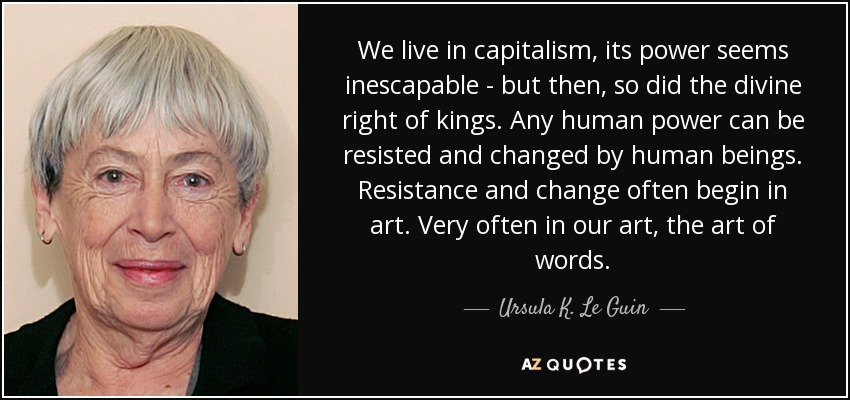
“We live in capitalism. Its power seems inescapable – but then, so did the divine right of kings.” This profound insight by Le Guin points to the seeming permanence of current social systems while reassuring us that historical change is possible. Her words challenge the notion that capitalism is the natural or only way, hinting at more liberatory social orders.
The Beauty of the Earth as a Foundation for Utopia

Le Guin’s celebration of the Earth as “beautiful and bright and kind” invites readers to root their visions of utopia in respect for our planet. This connection between environmental stewardship and societal idealism underscores the deep interdependence of all life and the need for sustainable social orders.
Reimagining Society’s Structures
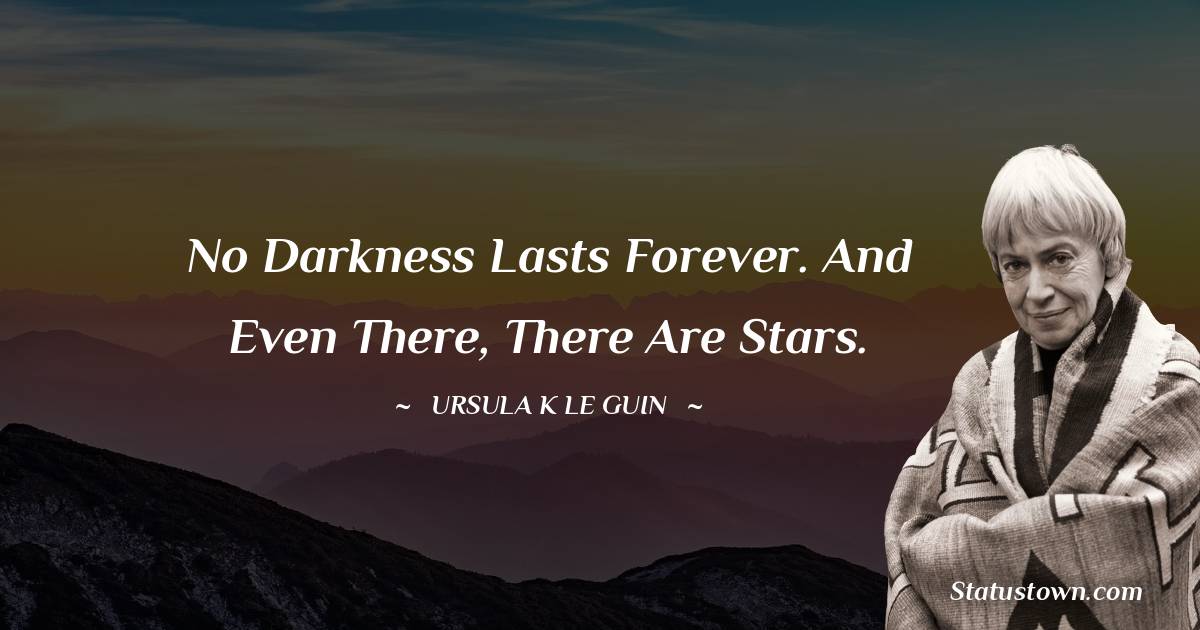
Her call to question entrenched social norms and “reimagine society” reminds us that anarchism is not chaos but a thoughtful design of freedom without oppressive hierarchies. Le Guin’s speculative fiction often unfolds these ideas, inviting us to see new possibilities for ordering human relations.
Freedom Beyond Authority
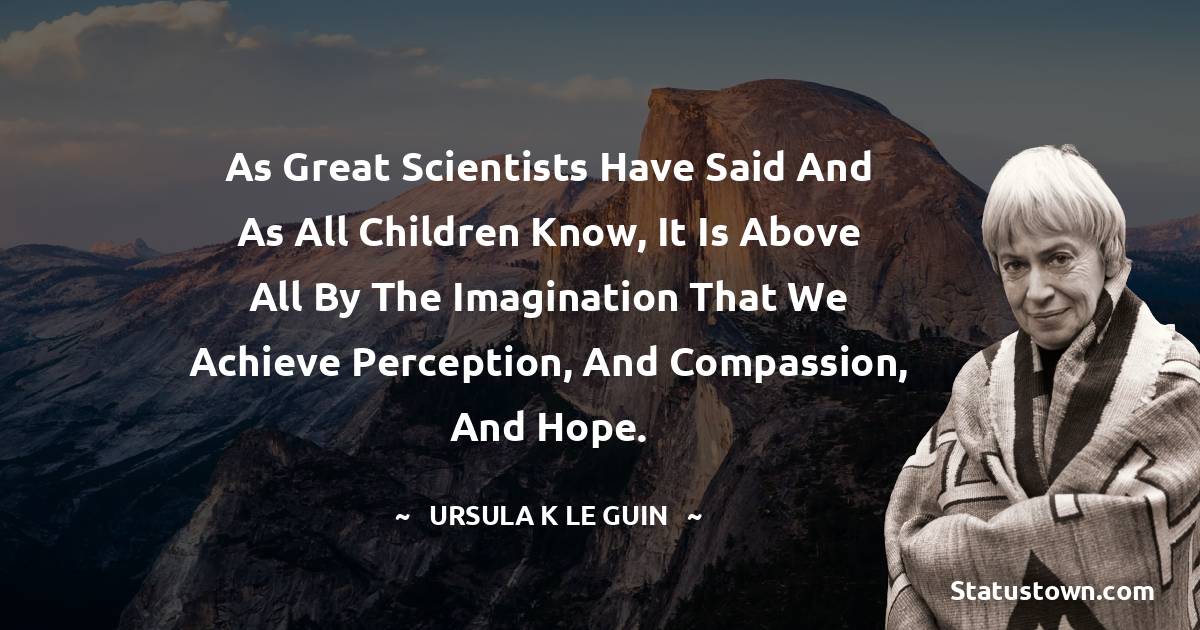
Le Guin provocatively explores the tension between authority and freedom, proposing that true freedom requires dismantling authoritarian systems. Her vision resonates with anarchist principles that emphasize voluntary association and mutual respect rather than coercion.
The Subversive Power of Storytelling

At the heart of Le Guin’s approach is the belief in storytelling as a subversive tool. She uses narrative to inspire readers to question their world and imagine alternative futures. Through her stories, utopia becomes a living, breathing possibility rather than an unreachable ideal.
Building Community Through Mutual Aid
Le Guin’s work often emphasizes mutual aid and cooperation as the foundations of a just society. By highlighting reciprocity and communal care, she gestures toward a society where power is decentralized, reflecting the core values of anarchism where community flourishes without top-down control.
Hope Rooted in Human Connection
One striking theme in Le Guin’s utopian meditation is the centrality of human connection. She suggests that beyond structures and systems, it is our relationships that truly sustain us. This focus hints at why anarchism appeals—because it elevates autonomy within community rather than isolation under authority.
Resistance as a Creative Act
For Le Guin, resistance is not just opposition but a creative practice. The act of imagining different worlds itself becomes a form of subversion. By imagining alternatives, we perform a subtle revolt against the given order and open space for genuine transformation.
The Necessity of Imagination in Politics
Le Guin’s insistence on the primacy of imagination in political thought encourages readers to break free from rigid ideologies. Her work reminds us that utopian thinking is not escapism but an essential step toward creating new realities that prioritize freedom and equality.
A Vision of Anarchism as an Ethical Way of Life
Finally, Le Guin’s reflections portray anarchism not merely as a political program but as an ethical commitment to living with integrity, respect, and compassion. Her vision elevates anarchism beyond theory into a practical mode of being that values the dignity of each individual within a supportive collective.
