


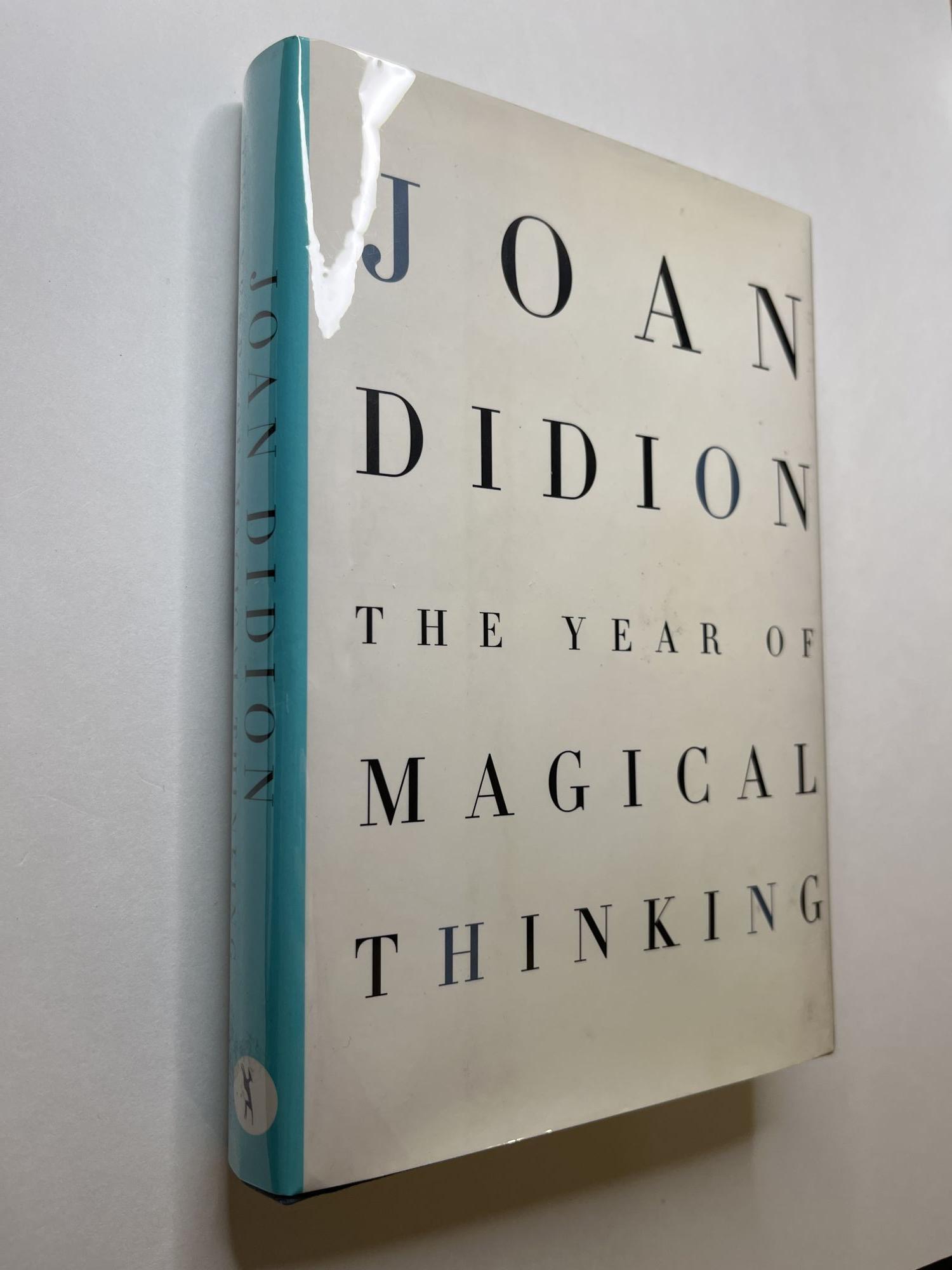
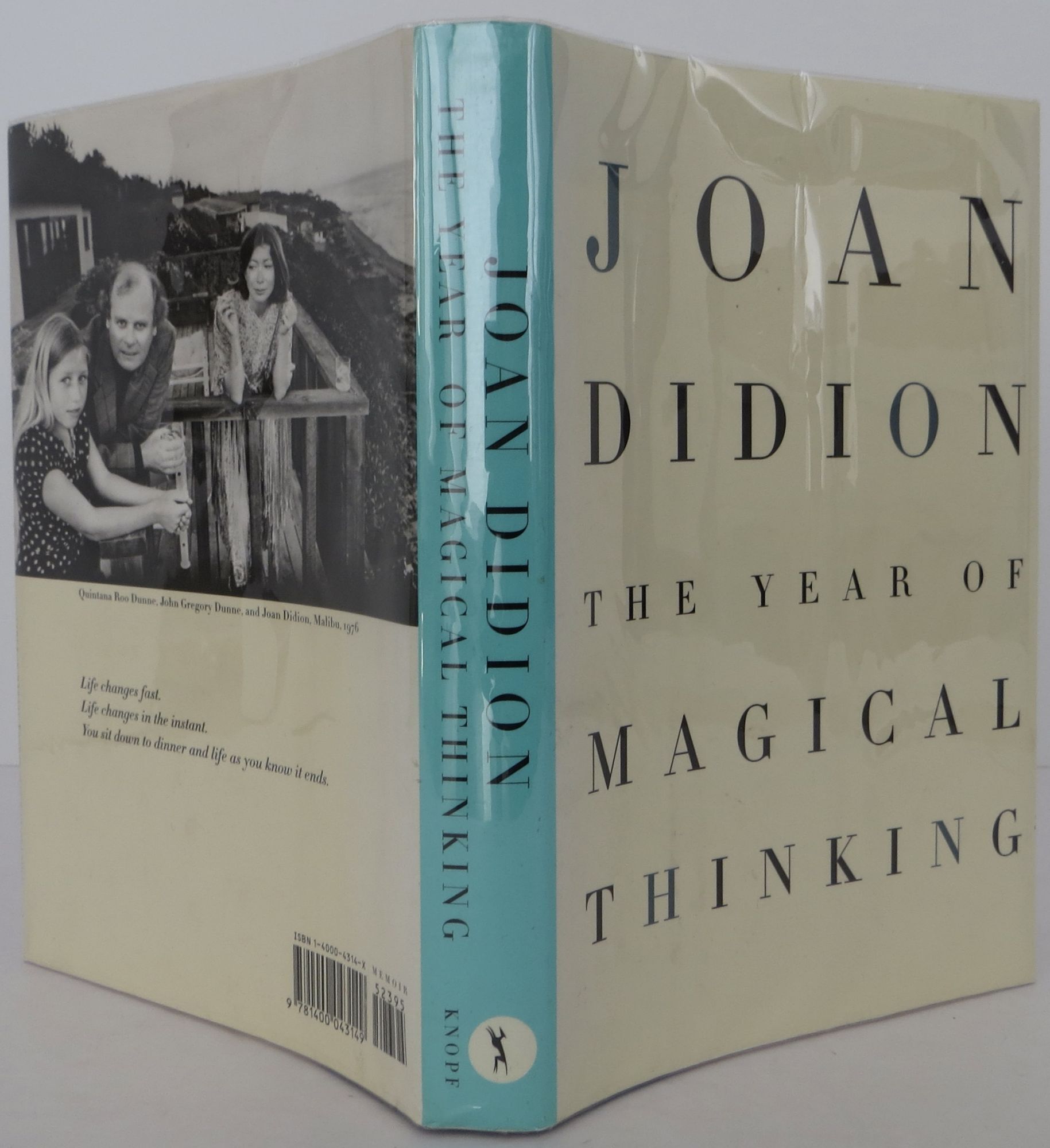
Grief is a tempest that carves new landscapes within the soul, and Joan Didion’s The Year of Magical Thinking is a vessel sailing through those tumultuous waters. Her words, sharpened by loss and the intricate dance of memory and mourning, capture the essence of human frailty with the precision of a surgeon and the empathy of a poet. The book is not merely a memoir but a meditation where each quote feels like a whispered map, guiding us through the labyrinth of grief and the elusive alchemy of writing it into being.
On the Fragility of Memory


Didion captures the precariousness of memory, as if each thought were a fragile glass orb teetering on the edge of shattering. This fragility reflects how grief unspools the threads of the past, weaving them anew even as it threatens to unravel all that was once certain.
Writing as an Anchor in Chaos

Through her writing, Didion transforms the storm of sorrow into a mooring post amidst instability. Her words become both sail and anchor, charting the unknowable territories where loss meets the enduring spirit. Writing is a mystical act — a bridge between desolation and understanding.
The Silence That Speaks Loudest
Silences within grief are not empty but pregnant with meaning. Didion’s reflection reminds us that absence can echo louder than words, filling the void with a language all its own. This silence reverberates like a haunting refrain, a testament to what remains unsaid yet deeply felt.
The Illusion of Control

In the chaotic theater of grief, the mind invents stories — a form of magical thinking — to wrestle control from the unfathomable. Didion exposes this fragile illusion, where imagination both protects and wounds, constructing a precarious buffer against the rawness of reality.
The Weight of Goodbye
Goodbyes linger like an anchor tied to the heart, heavy and inevitable. Didion’s prose carries the gravity of final farewells, yet shows how grief is not merely a downward spiral but a complex spiral of remembrance, anguish, and, ultimately, resilience.