Arthur Schopenhauer’s seminal work, The World As Will and Representation, offers profound insights into the nature of suffering and the transcendent power of art. Throughout his philosophy, Schopenhauer addresses why humans are so drawn to art, despite—or perhaps because of—the pervasive suffering experienced in life. The following ten quotes highlight key reflections on suffering and art, shedding light on how aesthetic experience offers a temporary reprieve from the relentless will that drives existence.
The Inevitability of Suffering in Life
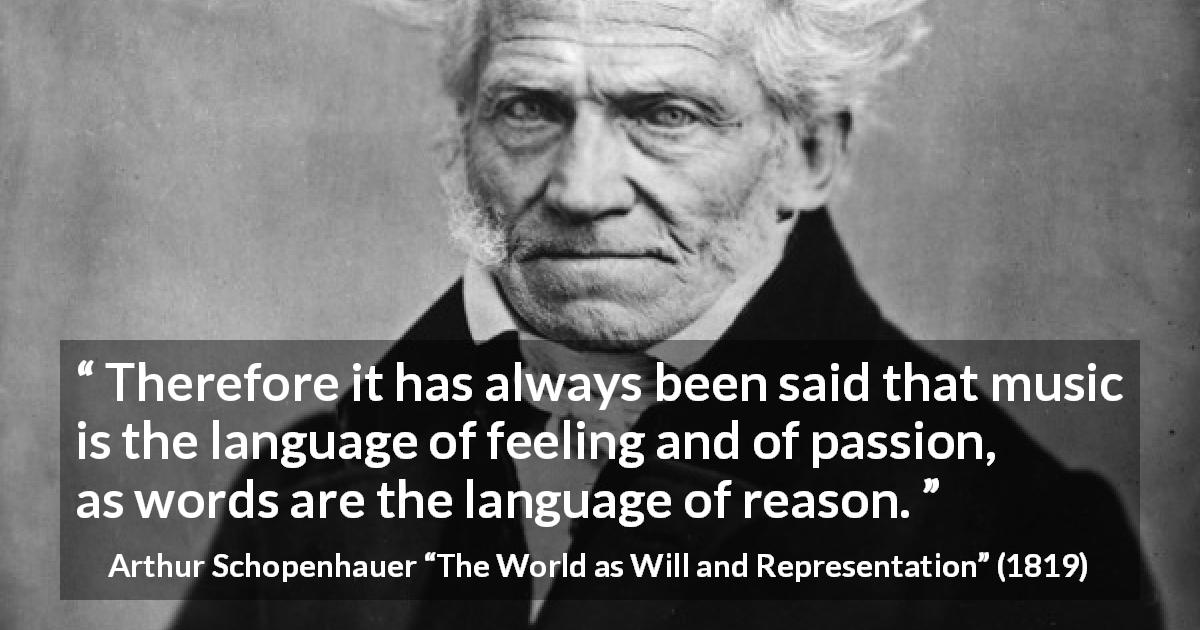
Schopenhauer famously observes that suffering is an inescapable aspect of life. The constant striving of the will results in desire, and with desire comes suffering. This fundamental truth underscores much of his philosophy, emphasizing that suffering is not incidental but central to human existence. It explains why many seek solace outside ordinary life, turning to art for its ability to momentarily suspend this painful reality.
Art as a Temporary Escape from Will
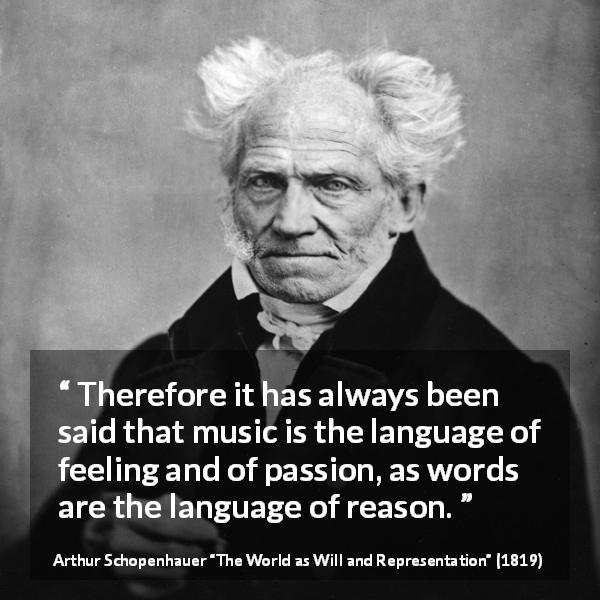
In this passage, Schopenhauer highlights art’s unique power to quiet the will’s demands. Unlike daily life, where desires and suffering dominate, art allows the observer to become a pure, will-less subject of perception. This cessation of striving acts like a relief valve, explaining why people are often so captivated by artistic expression — it offers a glimpse of peace.
The World as Representation and the Role of Perception

Schopenhauer’s concept that the world is a “representation” brings forward the idea that reality is shaped by our perception. This reinforces how art affects us uniquely by reshaping our view of suffering and existence. When we engage with art, we shift from being agents of the will to contemplators of form and beauty, allowing us deeper reflections that are usually inaccessible.
The World as Will and the Source of Human Desire
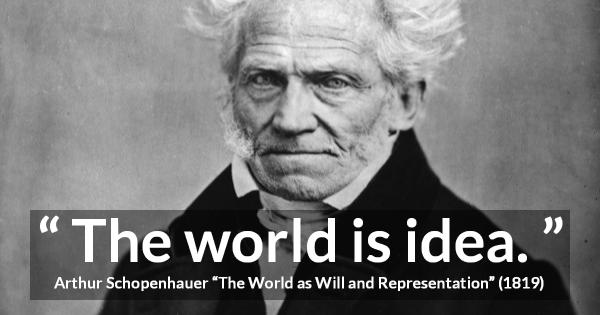
This quote delves into how the “will” constitutes the root of human desire and, consequently, suffering. Our endless craving creates not just personal pain but also a collective condition. The fascination with art is thus more than leisure—it is a profound psychological mechanism to counterbalance the restlessness borne out of this universal will.
The Sublime Power of Tragic Art
Schopenhauer argues that tragic art plays an essential role because it confronts suffering head-on while elevating the spectator beyond mere pain. Through tragedy, audiences experience a catharsis—a shared recognition of life’s hardships that paradoxically produces comfort. This explains the paradoxical allure tragedy holds: it depicts sorrow but delivers beauty and insight.