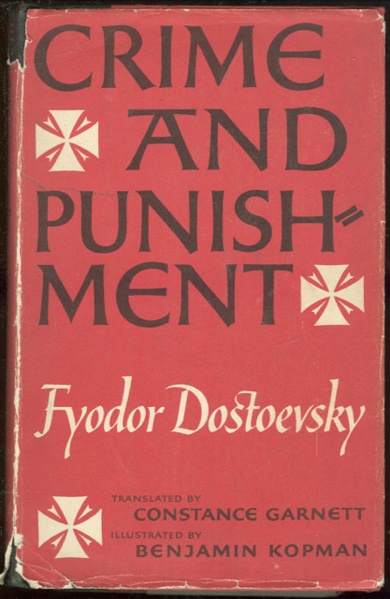
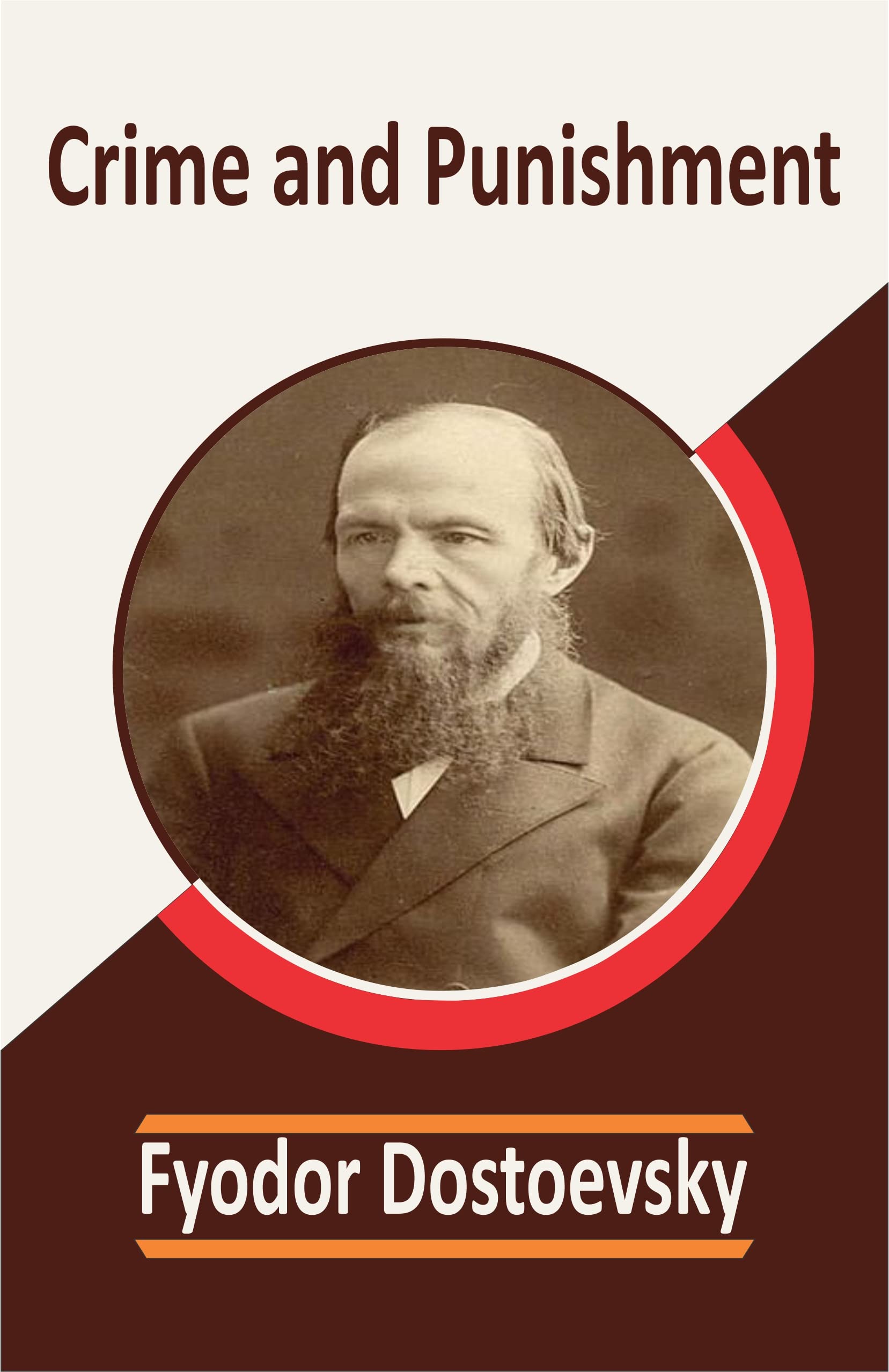
Fyodor Dostoevsky’s Crime and Punishment remains one of the most psychologically intense explorations of guilt and redemption ever written. The novel’s protagonist, Rodion Raskolnikov, embodies the torment of a conscience that refuses to be silenced. His journey from arrogance to despair, and ultimately to a fragile hope, mirrors the universal struggle between self-justification and moral reckoning. These themes resonate deeply because they tap into a fundamental human fear: the inescapability of our own conscience. Below are ten powerful quotes from the novel that delve into the complexities of guilt and the fragile path toward redemption.
The Weight of a Conscience That Never Sleeps
“The awful thing is that conscience can accuse one in solitude just as well as in the presence of others.” This line captures the haunting nature of guilt—it doesn’t require an audience to torment us. Whether in the quiet of our own thoughts or in the gaze of others, the knowledge of wrongdoing lingers, a shadow that refuses to be shaken. Dostoevsky suggests that true punishment isn’t meted out by courts or society, but by the mind itself, which becomes its own relentless judge.
Can Crime Be Justified by a Greater Purpose?

“Power is given only to those who dare to stoop and take it. One must have the courage to dare.” Raskolnikov’s theory that extraordinary individuals are above moral laws is both seductive and damning. The idea that greatness excuses transgression is a dangerous rationalization, one that Dostoevsky dismantles through Raskolnikov’s unraveling. The novel forces us to confront the question: Is there any act so noble that it justifies the suffering of others?
The Illusion of Escape from Moral Consequences

“If he had to kill, he had to kill, that’s all there was to it.” Raskolnikov’s cold detachment before the murder reveals the dangerous ease with which we can dehumanize our victims in our own minds. Yet, this detachment is an illusion. The moment the act is committed, the illusion shatters, and the reality of what has been done seeps in, gnawing at the edges of the mind until it can no longer be ignored.
Suffering as the Path to Atonement
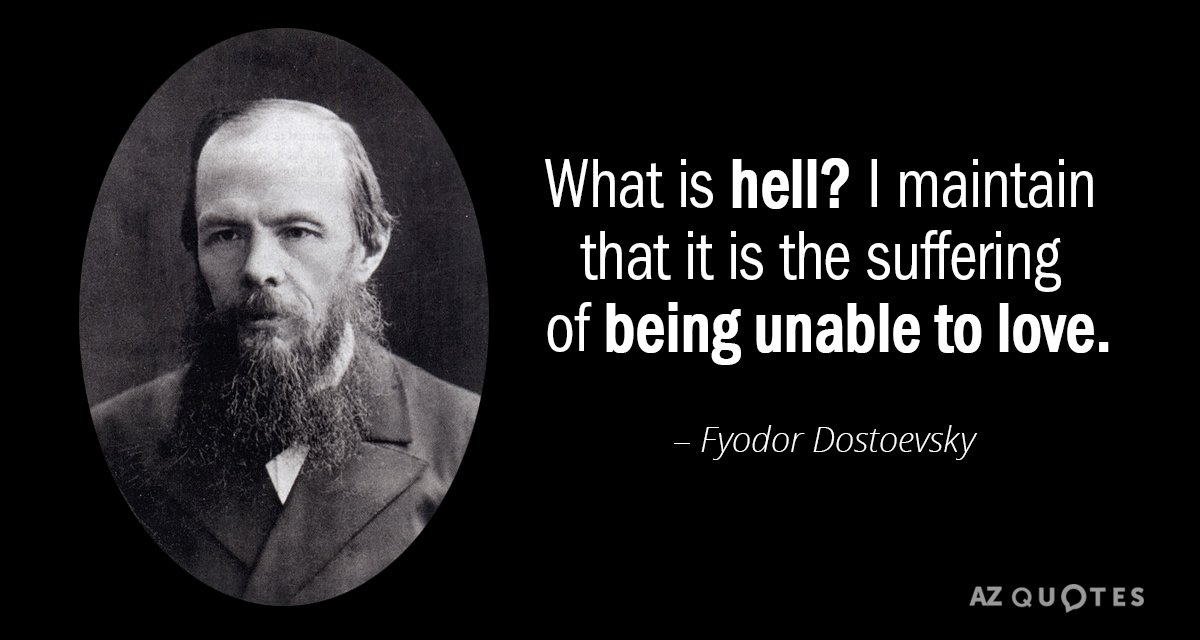
“What is hell? I maintain that it is the suffering of being unable to love.” This chilling definition reframes suffering not as punishment, but as a consequence of our inability to connect with others. Raskolnikov’s isolation isn’t just physical—it’s emotional and spiritual. His redemption begins when he learns to accept suffering not as a penalty, but as a means to re-enter the human community through love and empathy.
The Fragility of Self-Justification
“I didn’t kill a human being, but a principle!” Raskolnikov’s desperate attempt to intellectualize murder exposes the fragility of self-justification. No matter how cleverly we frame our actions, the moral weight of them remains. The mind may rationalize, but the heart remembers. This quote underscores the futility of trying to outsmart our own conscience—it always finds a way to reassert itself.
Redemption Through Humility
“To go wrong in one’s own way is better than to go right in someone else’s.” This paradox highlights the novel’s central theme: redemption is not found in grand gestures or adherence to external rules, but in the humbling process of confronting one’s own failures. Raskolnikov’s path to salvation begins when he stops trying to be a “Napoleon” and accepts his humanity, with all its flaws and limitations.
The Paradox of Punishment and Mercy
“The degree of criminality is measured by the level of consciousness.” This observation suggests that the more aware we are of our wrongdoing, the more severe our internal punishment becomes. Yet, it also hints at the possibility of mercy—not from others, but from ourselves. When we fully acknowledge our guilt, we open the door to the possibility of forgiveness, not as a dismissal of consequences, but as a step toward growth.
Love as the Antidote to Isolation
“Love each other, for all else is in vain.” Sonia’s plea to Raskolnikov is simple, yet profound. In a world where guilt can isolate us, love becomes the only force strong enough to break the cycle. It’s not about grand declarations or heroic acts, but about small, consistent choices to reach out, to care, and to bear one another’s burdens. This quote reminds us that redemption is not a solitary journey, but a shared one.
The Inevitability of Truth
“The truth is always easier to bear than untruth.” This deceptively simple statement cuts to the heart of Raskolnikov’s struggle. Lies may offer temporary comfort, but they are a house of cards that will eventually collapse. The truth, no matter how painful, is the only foundation upon which real healing can begin. Dostoevsky suggests that the first step toward redemption is the courage to face reality, however brutal it may be.
Hope in the Midst of Despair
“Suffering is the sole origin of consciousness.” This line encapsulates the novel’s bleak yet hopeful vision. While suffering may be the catalyst for self-awareness, it is also the first step toward change. Raskolnikov’s story is not one of inevitable damnation, but of the possibility of transformation. The same pain that breaks us can also remake us, if we allow it to lead us toward the light rather than deeper into the shadows.