


Isolation and madness weave a haunting tapestry throughout The Shining, painting the mind’s descent as a chilling voyage into the unknown. Stephen King’s masterpiece uses the Overlook Hotel not merely as a setting, but as a labyrinth of the psyche where solitude gnaws at sanity and shadows become twisted mirrors of fear. The following ten quotes illuminate this harrowing odyssey, each a glint of madness flickering through the silence, capturing the eerie allure of a mind unmoored.
“All work and no play makes Jack a dull boy.”
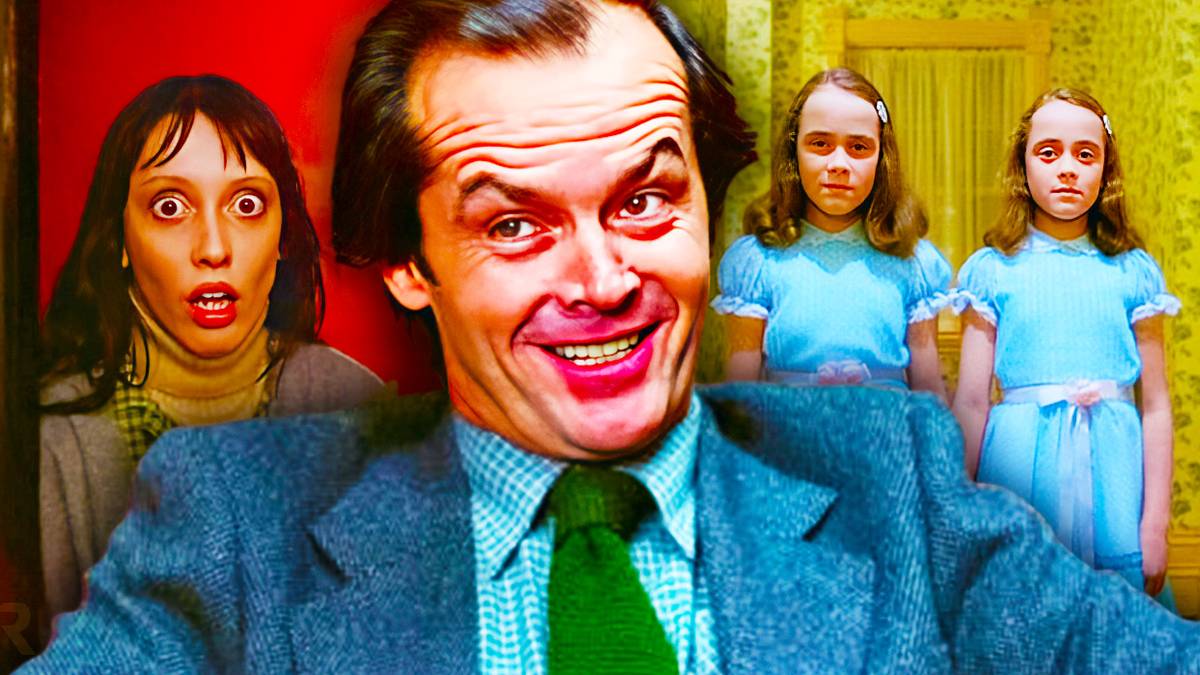
This simple phrase, repeated endlessly, echoes like a broken record in the vast emptiness of the Overlook. It’s less a sentence and more a fractured chant—a mantra of descent where the boredom of isolation becomes the trigger for chaos. The repetition mirrors the spiraling madness, each line a brick in the walls closing in around Jack’s sanity.
“I’m not gonna hurt ya. I’m just going to bash your brains in.”
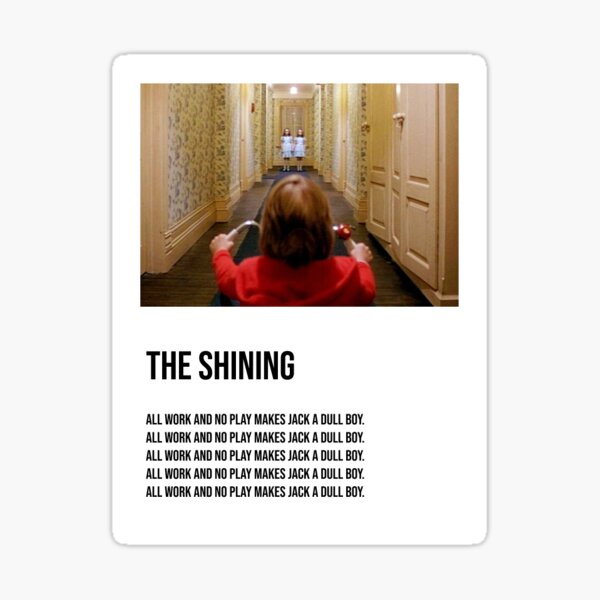
Jack Nicholson’s chilling declaration twists the veil between calm and carnage, a stark reflection of a mind unhinged by solitude. It embodies the unpredictable nature of madness—a calm before the storm that shatters the fragile eggshell of reason, exposing the dark heart beneath the Overlook’s silence.
“Sometimes human places create inhuman monsters.”

This metaphor for environment and influence serves as the Overlook’s sinister heartbeat. Isolation is more than absence of company—it’s a breeding ground where walls whisper and memories turn malevolent. The hotel itself becomes an incubator of madness, shaping the psyche into something unrecognizable and monstrous.
“That was your mistake,” Jack said, “A stupid man is more prone to insanity.”
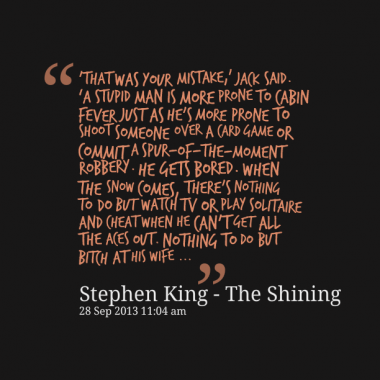
This blunt observation cuts to the core of vulnerability in isolation. It’s a grim toast to the fragility of intellect tethered to reality, emphasizing madness not just as external horror but an internal unraveling. In the vast silence of the Overlook, the mind’s defenses erode, revealing the raw nerves beneath pretense and pride.
“Monsters are real, and ghosts are real too. They live inside us.”
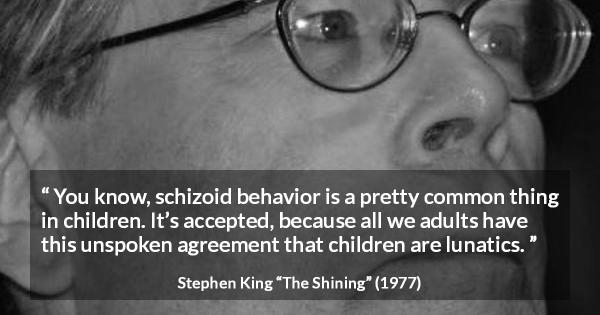
This haunting paradox blurs the line between external hauntings and the phantoms lurking within human consciousness. Isolation traps the mind with its own specters, reflecting the personal ghosts that fuel madness. These internal demons are the true terrors, birthed from loneliness and fear, prowling the corridors of thought.
