Oscar Wilde’s play The Importance of Being Earnest is a masterclass in wit, irony, and clever observations about society, love, and marriage. Beneath its light-hearted surface lies a subtle critique of Victorian norms, particularly the institution of marriage, delivered with Wilde’s characteristic sharp humor. Here are 10 unforgettable quotes from the play that weave together wit and marriage, each offering a fresh perspective and a hint of playful rebellion against conventional thinking.
The Art of Balancing Act in Marriage
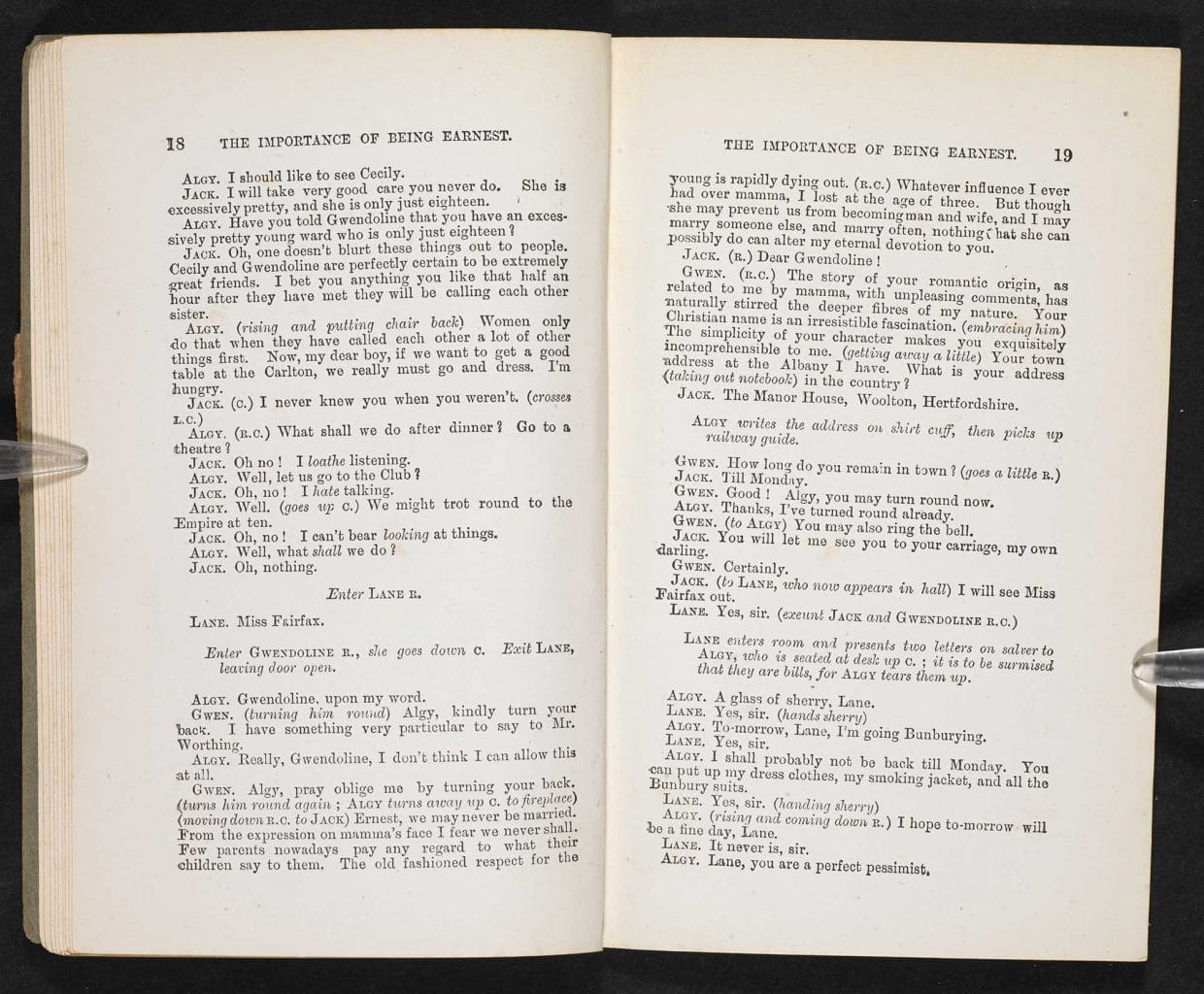
Oscar Wilde famously pokes fun at the expectations of marriage with a playful yet pointed insight into maintaining appearances. Marriage, in his world, is often less about deep emotional connection and more about the roles people play and the witty banter they engage in to sustain that facade. It challenges us to think about the sincerity behind romantic conventions.
Relatives and Their Endless Amusement

Wilde humorously dismisses relatives as a tedious distraction, implying that marriage entangles you in a “tedious pack of people.” This quote cleverly undercuts the idealized view of family unity, showing how marriage can sometimes complicate personal freedom and social circles in ways we rarely acknowledge.
Marriage as a Social Contract
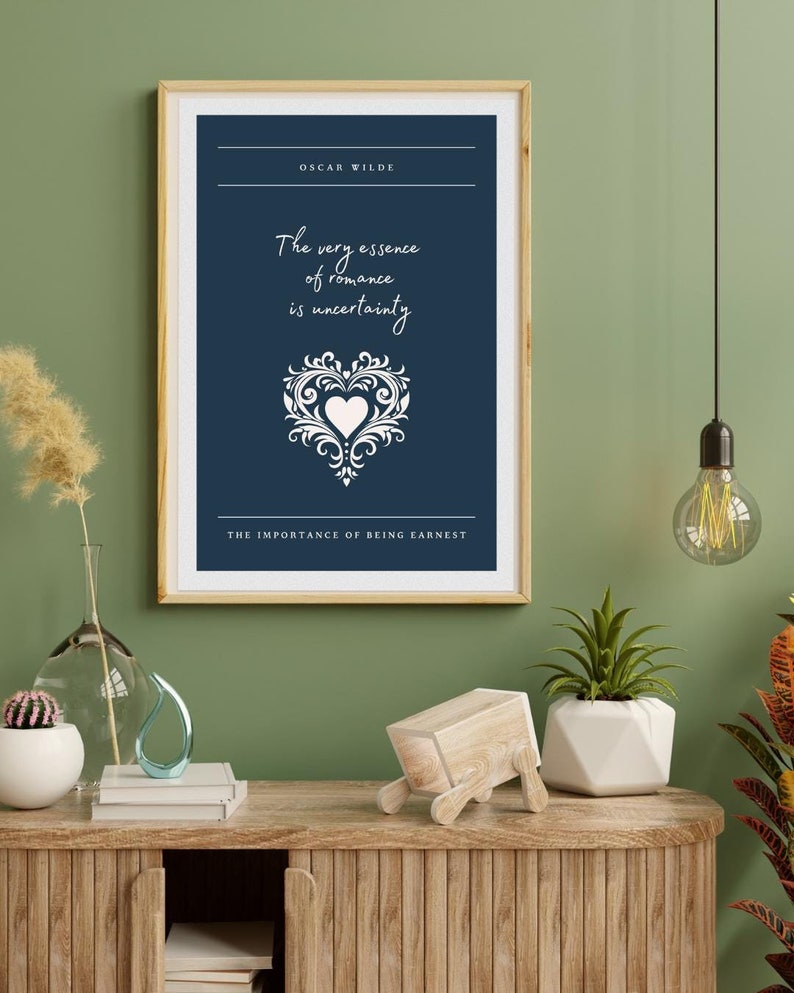
Here, Wilde exposes the performative aspect of marriage, suggesting that much of what is said about love and union is wrapped in social expectations. His words invite readers to reflect on how much of marriage is shaped by societal pressure rather than genuine emotion, shaking up traditional ideals and encouraging deeper reflection.
The Wit Behind Matrimonial Advice
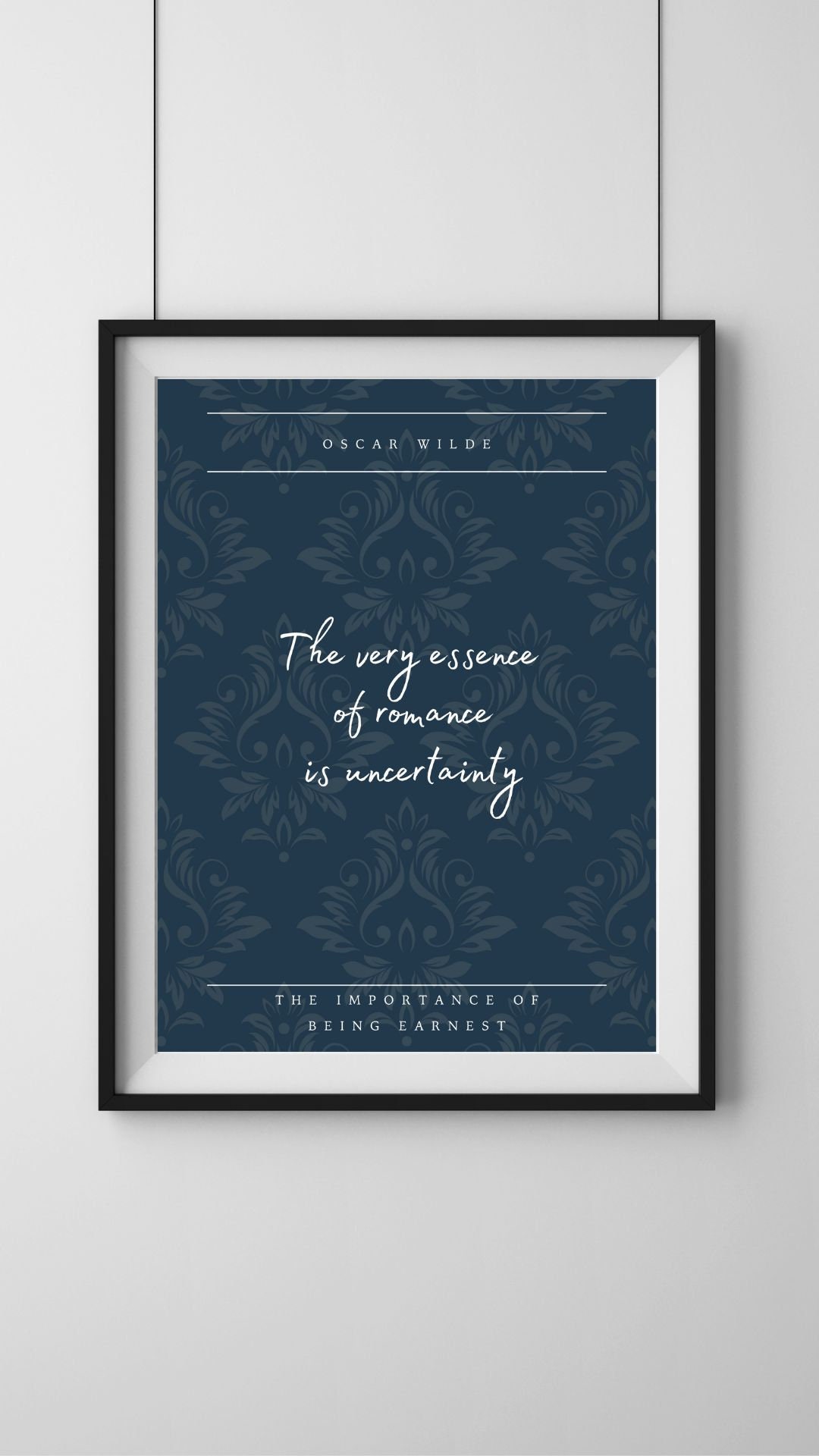
Marriage often involves advice and well-meaning counsel, but Wilde’s quips suggest that such guidance is frequently tinged with irony. His reflections remind us that love and matrimony are not formulaic, but delightfully unpredictable, requiring a flexible mindset that values wit over solemnity.
Mocking the Seriousness of Love

Wilde’s ability to mock the earnestness of love and marriage highlights the absurdities hidden in romantic idealism. Through clever dialogue, he encourages readers to question the sacredness of love’s public declarations and consider the roles humor and levity play in sustaining relationships.