In J.D. Salinger’s masterpiece The Catcher in the Rye, themes of alienation and innocence resonate deeply through the protagonist’s journey. Holden Caulfield, a character both compelling and conflicted, embodies the struggle to preserve purity in a world that feels overwhelmingly corrupt and isolating. The novel’s poignant quotes reveal the complexity of his perspective, inviting readers to explore the nuanced shifts in understanding childhood, loneliness, and the desire to protect the vulnerable. Here are 10 evocative quotes that capture these themes and invite you to see The Catcher in the Rye anew.
Yearning for Innocence: Holden’s Protective Fantasy
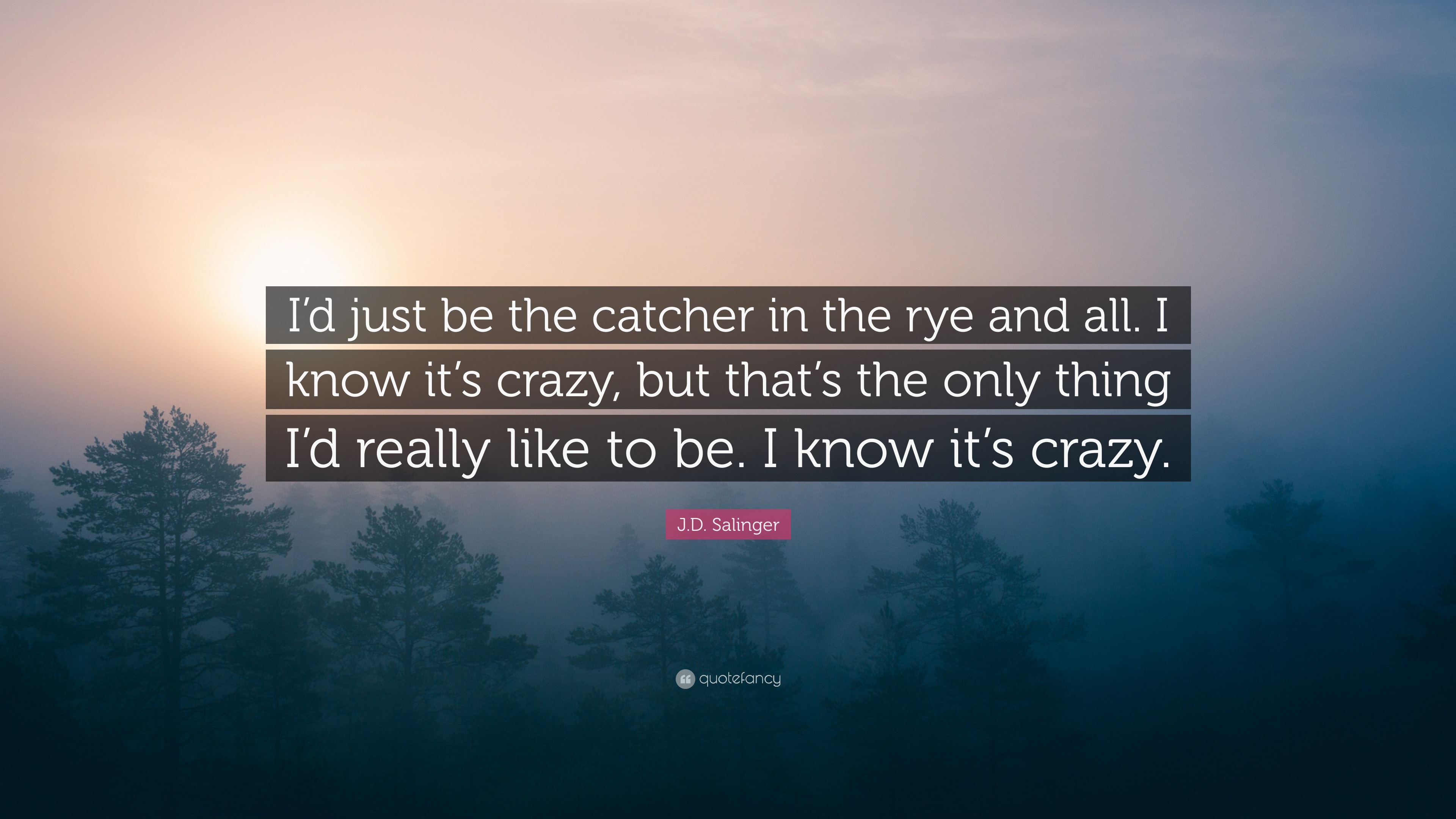
“I’d just be the catcher in the rye and all. I know it’s crazy, but that’s the only thing I’d really like to be.” This iconic line distills Holden’s desperate wish to save children from losing their innocence. Imagining himself as a guardian in a field of rye, catching kids before they fall off a cliff, symbolizes his refusal to accept the harsh realities of adulthood. It’s a poignant reflection of alienation—feeling out of place in a world that demands conformity, yet yearning to protect what is pure and unspoiled.
Understanding the Facade of Society
“People always clap for the wrong reasons.” Holden’s skeptical view of society mirrors his deep sense of alienation. The applause, a gesture usually associated with acceptance, seems misplaced or insincere in his eyes. This quote marks a shift in perspective — an invitation to question the authenticity of social rituals and the often fragile veneer of adulthood. It encourages readers to reflect on the dissonance between outward appearances and inner truths.
Loneliness Woven Into Everyday Interactions
“I’m quite illiterate, but I read a lot.” Here, Holden’s contradictory self-description reveals his intellectual curiosity amid personal disconnection. This paradox illustrates how alienation is not just separation from others but also a fractured self-understanding. It’s a subtle yet powerful reminder of how innocence isn’t just a state of being but also an ongoing, sometimes painful negotiation with the world.
The Pain of Growing Up
“It’s funny. Don’t ever tell anybody anything. If you do, you start missing everybody.” This bittersweet line captures the paradox of human connection and alienation. Holden’s fear of losing innocence extends to a fear of emotional attachment, illustrating the profound loneliness that stems from trying to protect oneself. It invites us to consider the costs of emotional self-preservation and the vulnerability that intimacy demands.
Innocence as a Child’s Pure Gaze
“Certain things they should stay the way they are.” This sentiment embodies Holden’s resistance to change, a core element of his alienation. It suggests an almost sacred view of childhood as sacrosanct and immutable. The tension between holding onto innocence and confronting inevitable change evokes a universal struggle, making Holden’s voice timeless and deeply relatable.