


In a world dominated by material accumulation and external achievements, Erich Fromm’s insights in The Art of Being offer a profound exploration of what it truly means to live authentically. His reflections on the dynamic between “being” and “having” resonate deeply with those seeking meaning beyond possessions and societal validation. Fromm suggests that the essence of life shifts when we embrace our existence as beings rather than mere owners of things. Below are ten quotes that bring clarity to this compelling distinction and invite introspection on how we might transcend the superficial allure of having.
Man’s Main Task: To Give Birth to Being


Fromm opens with the profound idea that the central goal in life is not just survival or accumulation, but the creation and nurturing of one’s authentic self. This birth of being reflects a transformation from mere existence to genuine living, urging us to cultivate inner growth rather than cling to external assets.
Love is a Discipline Requiring Patience and Concentration
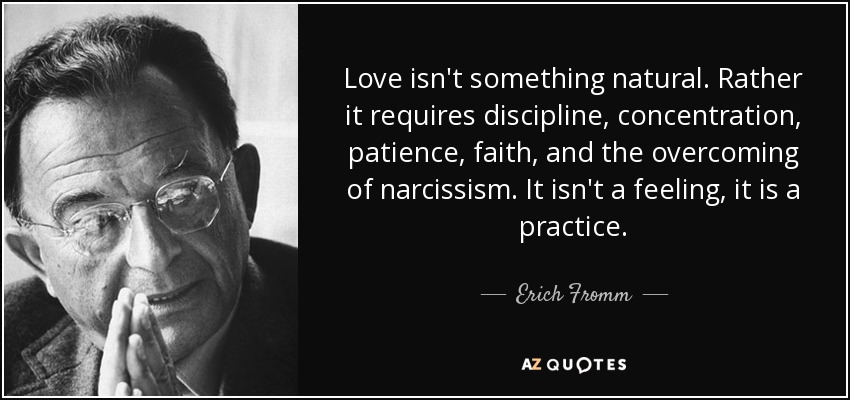
True being involves a form of love that is intentional and sustained, not a passive or natural occurrence. This disciplined approach to love strongly contrasts with the fleeting satisfaction often tied to possessions. It invites us to invest deeply in relationships and personal presence rather than superficial gains.
The Difference Between Being and Having
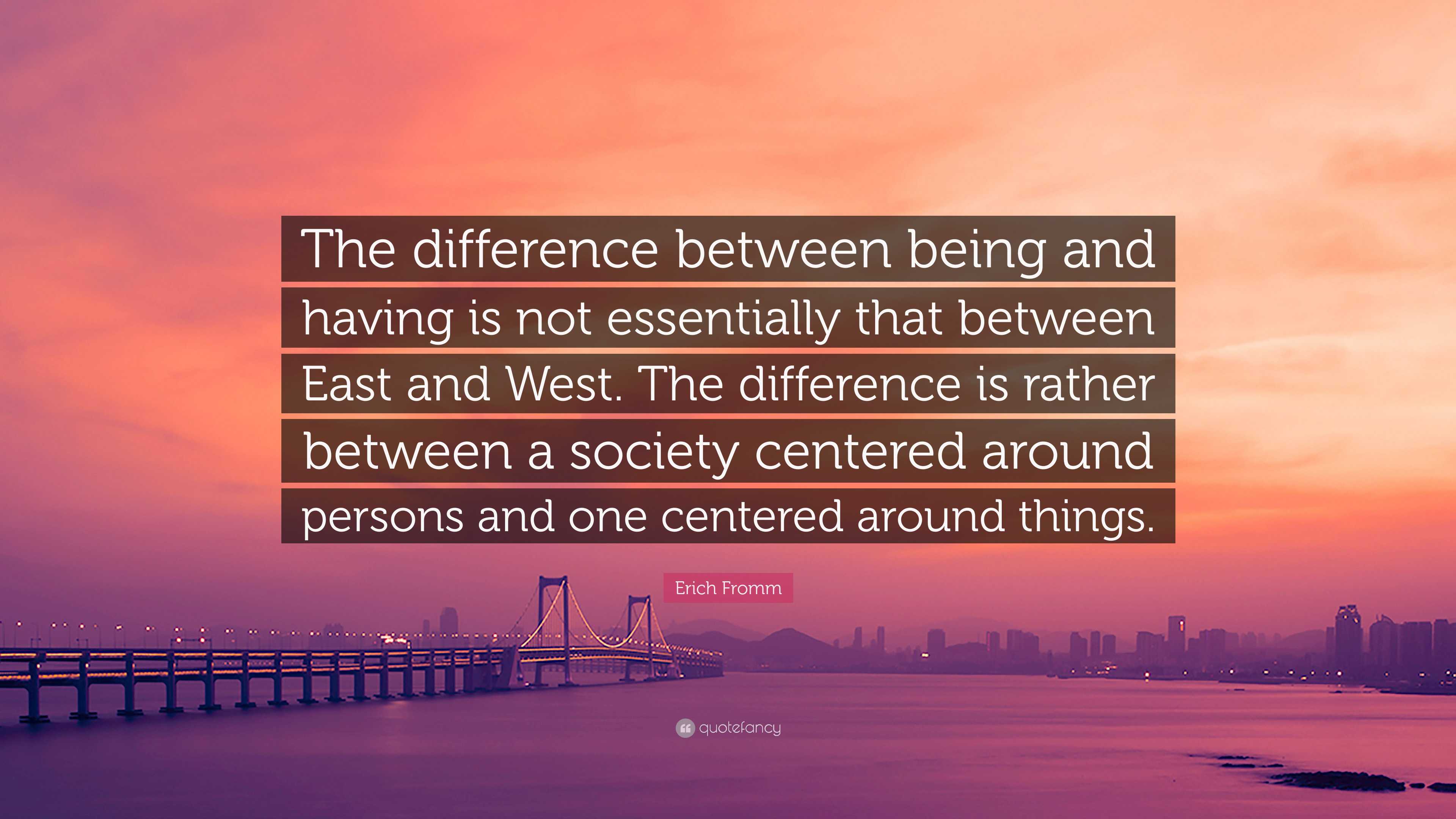
Fromm explicitly distinguishes the two modes by emphasizing that being is an existential orientation focused on experience and presence, while having relates to possession and control. The fascination with having often stems from a desire to ensure security or status, but this can paradoxically lead to isolation and emptiness.
Setting Ourselves Free From the Chains of Having

This reflection highlights the liberating power of embracing being over having. Fromm points out that material possessions often become chains that restrict our freedom and authentic expression. By focusing on being, we can transcend societal pressures and rediscover true autonomy.
The Unnaturalness of Accumulating to Fill an Inner Void
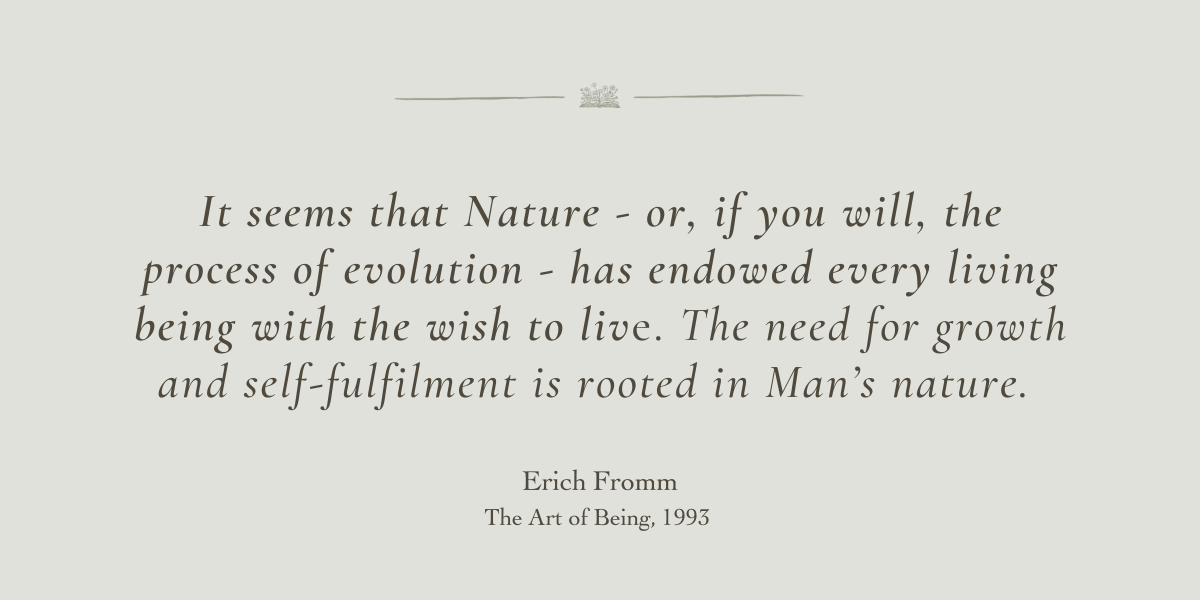
Fromm suggests that the compulsion to acquire is a response to a deeper inner emptiness, not a natural state of being. This insight reveals why having can never fully satisfy; it attempts to mask a lack of self-awareness or connection, prompting a cycle of endless chasing.
The Illusion of Security Through Having
Many place faith in possessions as sources of safety, yet Fromm warns that this security is often illusory. Real security arises from inner strength and meaningful relationships, which belong firmly in the realm of being rather than having.
Concentration as a Path to Being
Concentration enables us to be present and fully alive. Fromm notes that without focus and commitment, our engagement with life is shallow, leading us to fall back on acquiring things to distract ourselves or fill gaps in awareness.
Faith in the Process of Being
Faith acts as a supporting pillar in Fromm’s concept of being. It reflects trust in the unfolding of life and our own capacities, in contrast to the anxiety often driving the need to possess and control.
Patience as a Virtue of Being
Being demands patience—a willingness to sit with uncertainty and growth without rushing toward immediate gratification. This counters the hastiness of having, where accumulation seems like a quick fix to deeper needs.
Discipline as the Foundation of Authenticity
Discipline, in Fromm’s view, is not restriction but the structure that allows true being to flourish. Without discipline, the temptation to fall into the ease of having dominates, leaving the soul unfulfilled and restless.
