What if art wasn’t just a mirror to society, but a megaphone that could shake the foundations of power? Shepard Fairey, the artist behind the iconic Obey Giant and Hope posters, has spent decades turning bold visuals into sharp political statements. His work doesn’t just decorate walls—it demands attention, provokes thought, and sometimes even stirs controversy. Whether you agree with his messages or not, there’s no denying that Fairey’s art forces us to confront uncomfortable truths. So, are you ready to dive into 10 of his most political and bold quotes that challenge the status quo?
Art as a Weapon: The Power of Visual Dissent
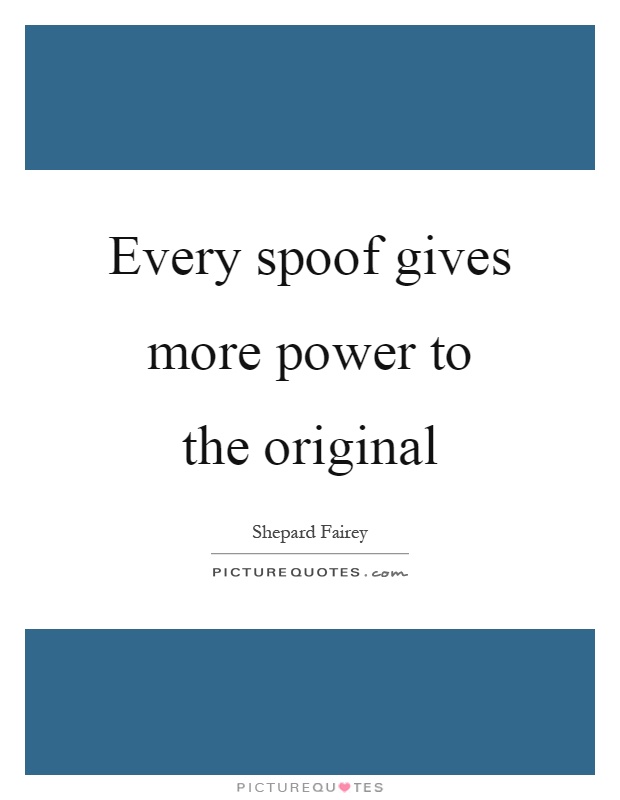
Fairey’s work often blurs the line between art and activism, proving that creativity can be a formidable tool for change. His famous Obey Giant campaign, for instance, started as a playful experiment but evolved into a commentary on consumerism and authority. This quote underscores how even parody can amplify the original message, making it louder and more resonant. In a world where satire is often dismissed as mere mockery, Fairey reminds us that subversion can be a powerful form of resistance.
Peace is Radical: Challenging the Norm

In a society that often glorifies aggression and dominance, Fairey’s declaration that “peace is radical” is a bold challenge to the status quo. This statement isn’t just a catchy slogan—it’s a call to action. It forces us to question why peace is so frequently met with skepticism or even hostility. Fairey’s art doesn’t just preach harmony; it exposes the hypocrisy of those who profit from division. If peace is truly radical, then perhaps the real radicals are those who refuse to accept the inevitability of conflict.
Politics in Art: The Fine Line Between Inspiration and Provocation
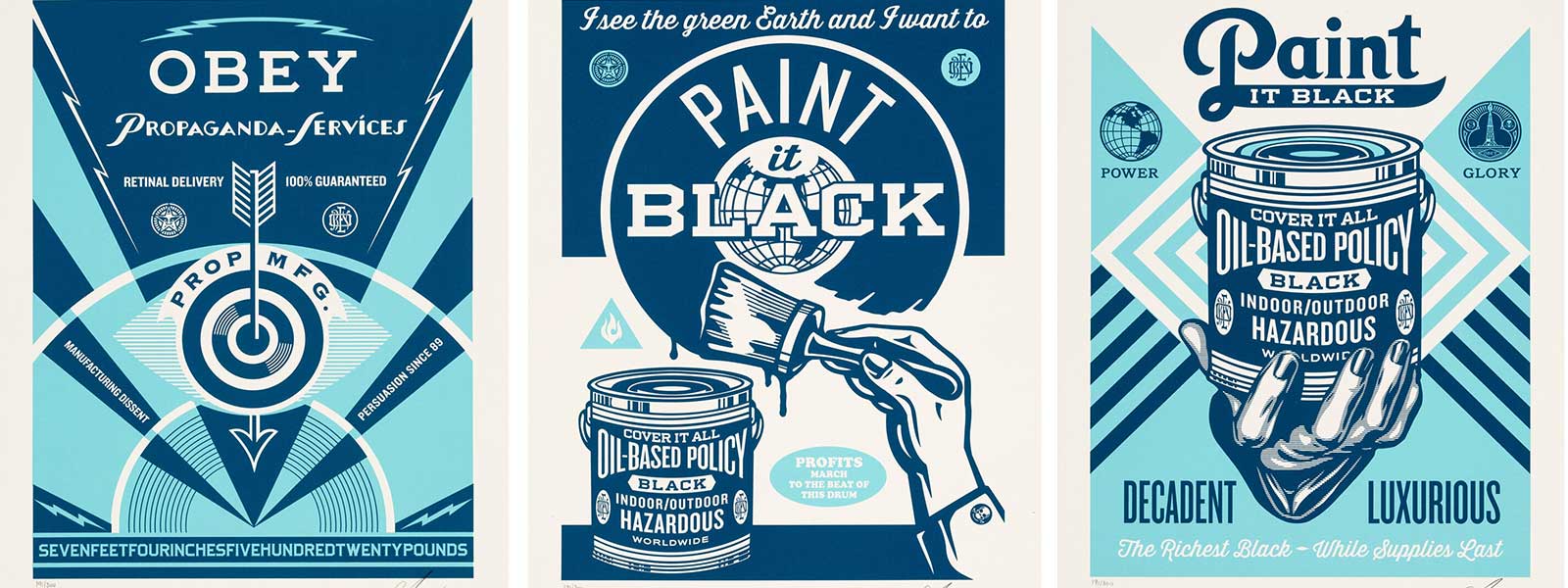
Fairey’s art has always been political, but his approach isn’t about subtlety. He wields bold colors, stark contrasts, and unapologetic symbolism to make his point. Whether it’s his Hope poster for Barack Obama or his murals addressing climate change, Fairey doesn’t just comment on politics—he reshapes it. His work raises a critical question: Can art truly inspire change, or does it merely reflect the chaos of the world? The answer might lie in the way his pieces linger in the public consciousness, long after the initial controversy fades.
Artists as Catalysts: The Role of Creativity in Social Change

Fairey has long argued that artists have a responsibility to engage with the world around them. His work isn’t just about aesthetics—it’s about sparking conversations, challenging norms, and holding power to account. This quote serves as a reminder that creativity isn’t a passive act; it’s an active force for disruption. But here’s the challenge: If artists are catalysts for change, why do so many of their messages get watered down or co-opted by the very systems they seek to challenge? Fairey’s art doesn’t just ask questions—it demands answers.