


Rem Koolhaas’ “Delirious New York” is more than just a book about architecture—it is a visionary manifesto that challenges how we perceive urban landscapes and the chaotic heart of the city that never sleeps. Through a series of evocative quotes, Koolhaas invites us to reconsider the complexities, contradictions, and sheer unpredictability of New York City. Here are 10 captivating insights from Koolhaas that promise to shift your perspective and ignite your curiosity about the metropolis and the cultural phenomena it represents.
The Essence of Delirium in Urban Design

Koolhaas describes “Delirious New York” not simply as a city but as a “retroactive manifesto for Manhattan”—a place where disorder spells creative opportunity. His view suggests that the city’s apparent chaos is precisely what drives its unique energy and innovative architecture, a theme that pulses throughout his work.
A Retroactive Manifesto for Manhattan

Delirious New York acts as a blueprint for understanding Manhattan’s layered development. Koolhaas challenges us to read the city as a living document full of unpredictable sequences and inventions that continuously reshape its skyline and culture. This quote encourages a reexamination of urban growth as something improvised rather than planned.
Interpreting the Madness of the City
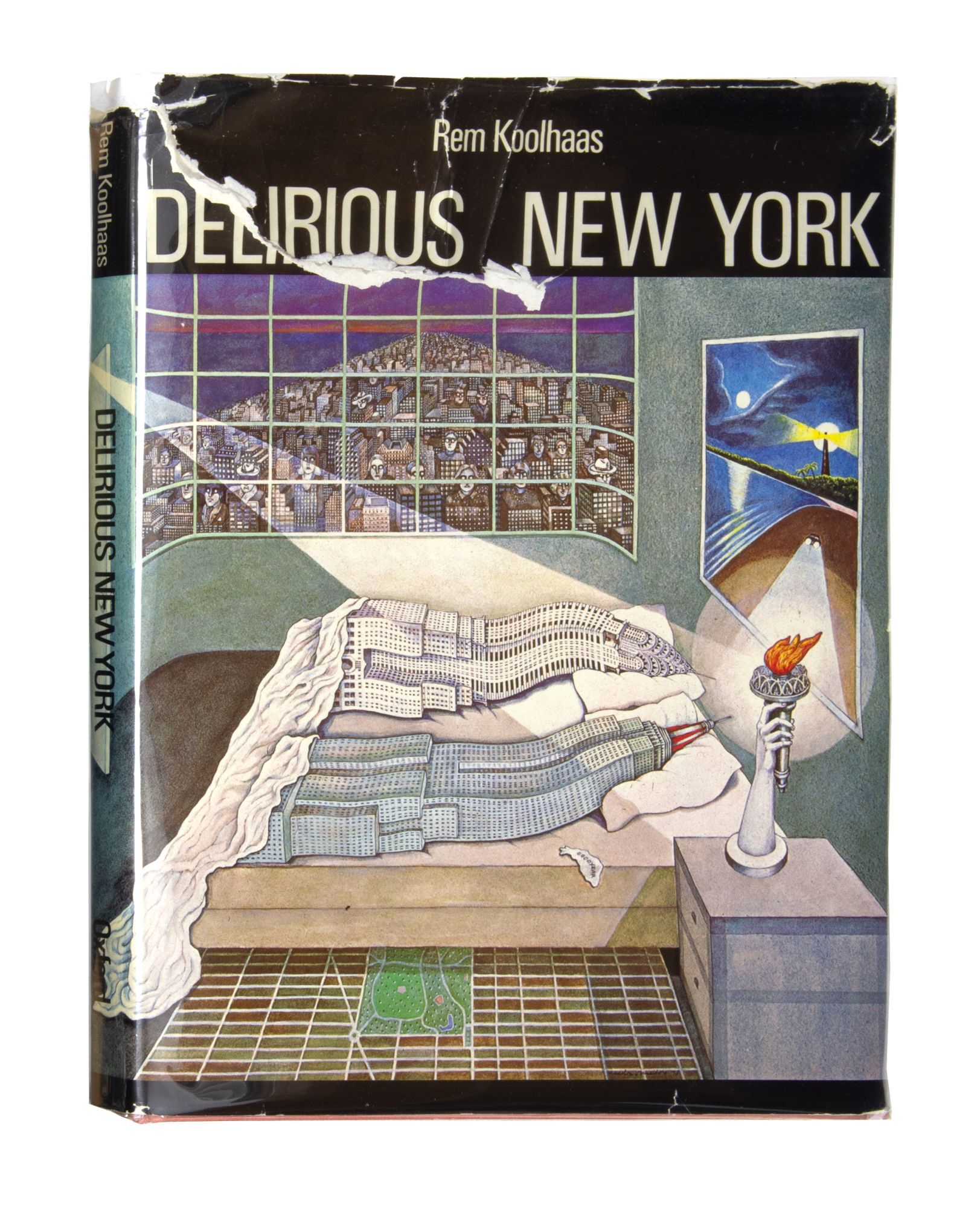
By calling New York a “city of the mind,” Koolhaas emphasizes its psychological and symbolic dimensions over its physical form. The “madness” he refers to is not a defect but rather the very engine of its vibrancy, fostering an environment where dreams and reality collide.
Architecture as Storytelling

Koolhaas sees buildings and urban structures as narrative tools, each with their own stories and impacts. These quotes reveal how architecture in New York tells tales of ambition, failure, and evolution—promising that the city’s skyline is a living archive of human aspiration.
The Ever-Replacing City

“New York is a city that will be replaced by another city.” This striking assertion challenges the myth of permanence. It compels us to imagine the future transformation of cities not as a loss but as a perpetual rebirth—where every ending cultivates a new beginning in urban form.
