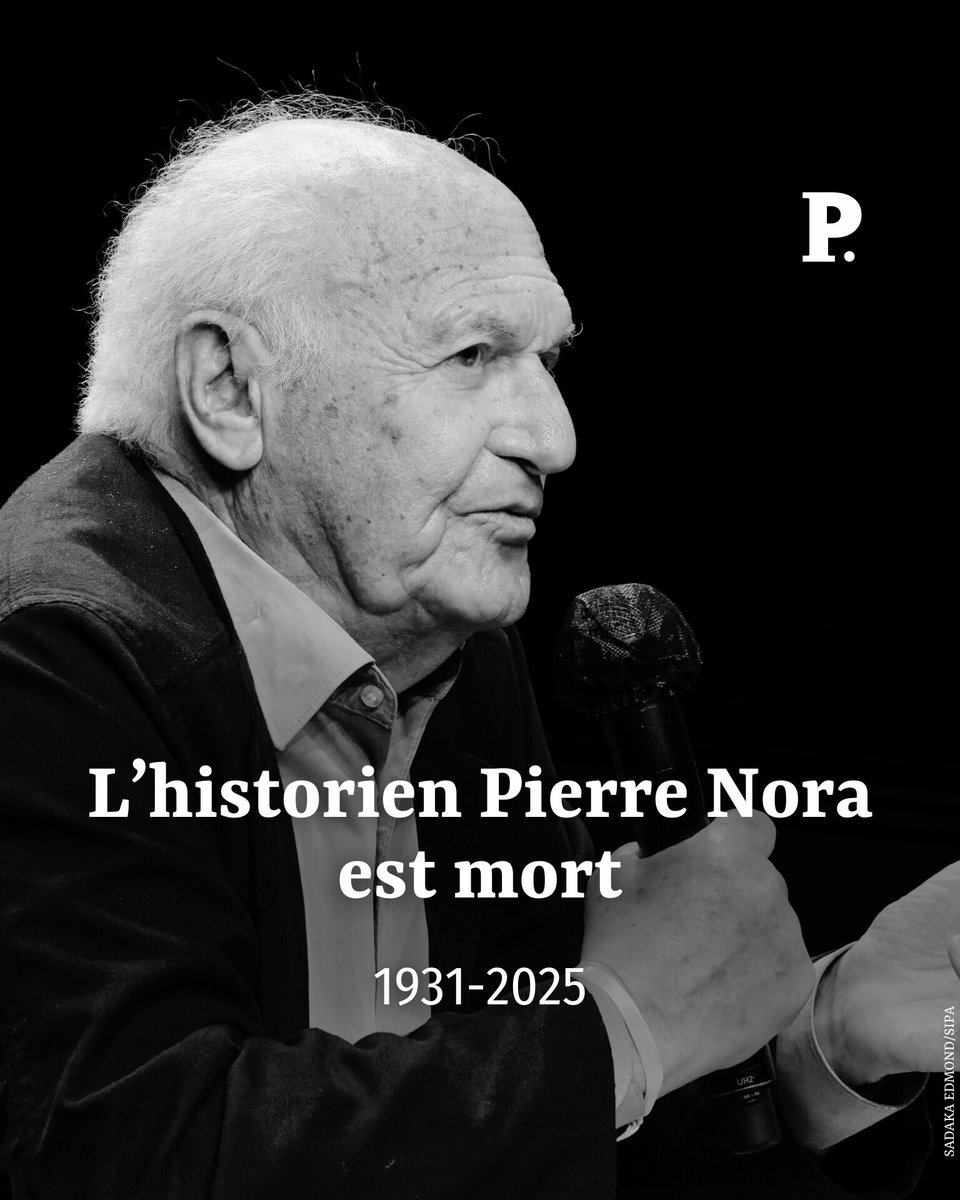
Pierre Nora, a renowned French historian, profoundly shaped our understanding of collective memory through his groundbreaking concept of “Lieux de Mémoire” or “Sites of Memory.” These are places, objects, or events imbued with historical significance that communities hold onto to preserve their identity and heritage. Nora’s work explores how memory is not just passed down but actively constructed and maintained in the modern era. In this article, we delve into 10 insightful quotes from Pierre Nora that illuminate the complex relationship between memory, identity, and history.
Understanding Lieux de Mémoire: The Completeness of Memory

“Lieux de Mémoire are born simultaneously from a sense of urgency and nostalgia. They emerge when the environments that sustained real memory vanish.” This quote underscores how memory sites exist as a response to the loss of lived history, serving as anchors for communal remembrance in a changing world.
The Personal and Collective in Memory

“Memory needs places. It needs symbols that possess a material consistency, to resist oblivion.” Nora highlights the importance of physical sites and symbols in rooting memory deeply in collective consciousness, making history tangible and difficult to forget.
History vs. Memory: The Tension Explained

“History is the reconstruction, always problematic, of what has vanished; memory is the presence, always problematic, of what persists.” This distinction made by Nora draws attention to the delicate balance between reconstructing the past and keeping memories alive without distortion.
Memory as a Form of Identity

“Memory is social, but it is rooted in particular places and moments. It is not merely collective; it is profoundly linked to identity.” Here, Nora conveys how memory shapes our sense of self not just as individuals but as members of a community tied to a shared past.
The Role of Memory in Modern Societies
“In a world where history has become a profession and memory is a vocation, Lieux de Mémoire stand as bulwarks against the erasure of history.” Nora reflects on the tension between professional historians and living memory, identifying lieux de mémoire as critical in preserving collective heritage amid modernization and globalization.
Spaces of Memory: More Than Just Locations
“A memory site is not just a place—it is a scene, a symbol, a story constructed by memory.” This insight broadens our understanding beyond geography to the multifaceted nature of memory, encompassing narratives and symbolism that give these loci meaning.
The Temporal Aspect of Memory
“The memory site exists in a temporal suspension between the past and the present.” Nora elucidates the concept of lieux de mémoire as being caught in a dynamic flow of time where history is both remembered and reinterpreted.
Communities and Memory-Making
“Memory is a social bond that connects generations. It is through memory sites that communities reaffirm their identity.” Emphasizing the communal dimension, Nora shows how memory helps maintain continuity across generations.
Challenges of Memory Preservation
“Memory is fragile and must be deliberately cultivated; otherwise, amnesia will prevail.” This warning from Nora reminds us of the active role societies must take to maintain memory sites to prevent collective forgetting.
The Future of Lieux de Mémoire
“As new technologies evolve, memory sites must adapt and reinvent themselves to remain relevant.” Nora recognizes the changing ways people engage with history and memory, calling for innovation in how lieux de mémoire are preserved and experienced in the digital age.