Michael Polanyi’s work on tacit knowledge, especially within his seminal book Personal Knowledge, has profoundly influenced how we understand knowledge that is inherently personal and often unarticulated. Tacit knowledge refers to the know-how and skills that individuals acquire through experience but find difficult to express explicitly. This unique insight bridges the gap between technical knowledge and the practical wisdom that underlies much of human understanding. Below are 10 illuminating quotes from Polanyi’s work that delve deep into the nature of tacit knowledge, each shedding light on the multifaceted roles it plays in learning, creativity, and scientific discovery.
Understanding Tacit Knowledge: “We can know more than we can tell.”
Polanyi famously stated, “We can know more than we can tell,” highlighting the complexity of tacit knowledge. This knowledge transcends verbal expression, residing in our skills and intuition. It is the silent competence we draw upon when performing intricate tasks or solving problems that words alone cannot capture.
Reconciling Technical and Practical Knowledge
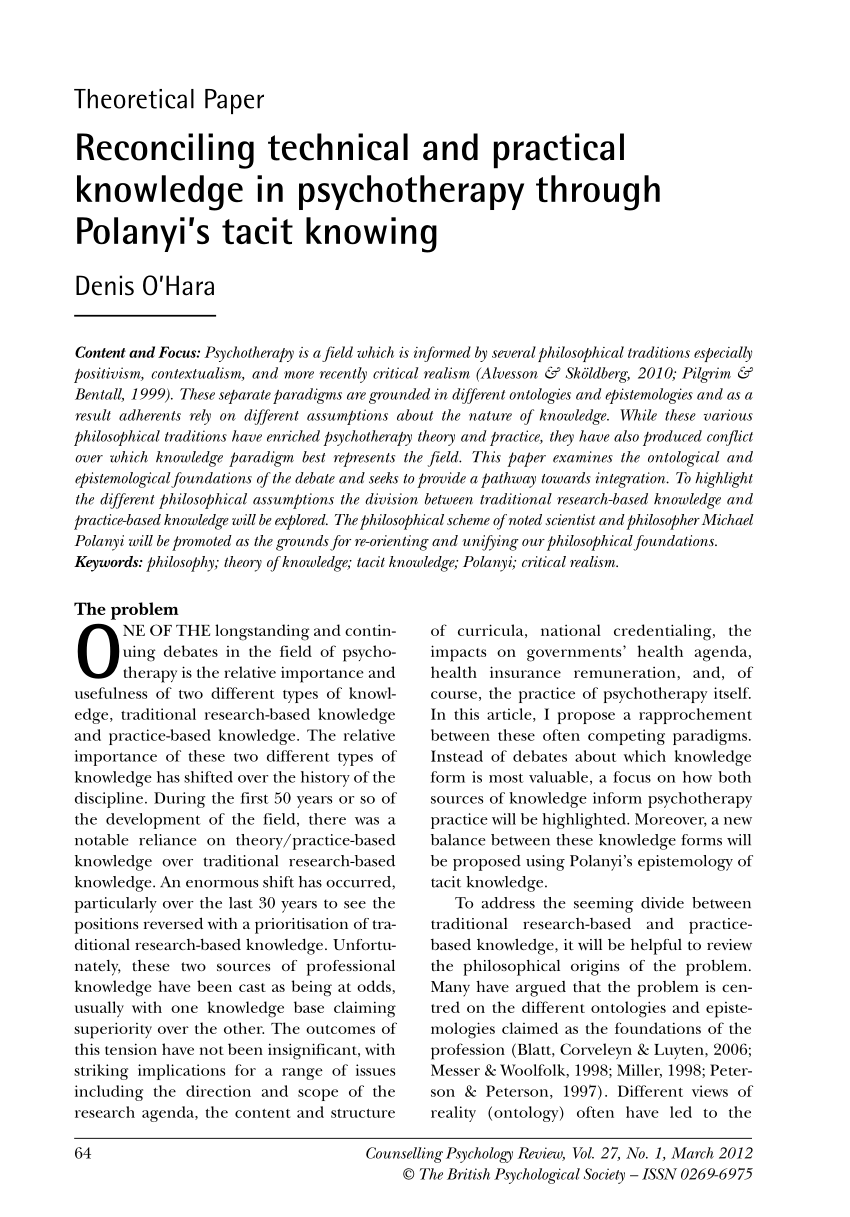
Polanyi’s notion of tacit knowing allows us to bridge technical knowledge—the codified, explicit understanding—with practical knowledge, the contextual and dynamic application of that expertise. This reconciliation is essential in fields like psychotherapy, where human interactions go beyond scripted approaches to nuanced understanding.
Personal Knowledge: The Role of Commitment
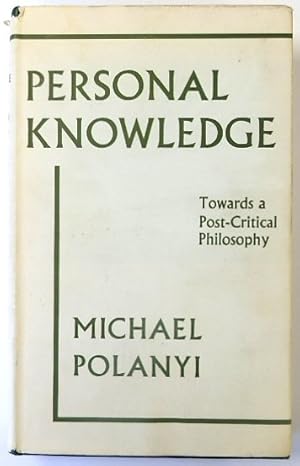
In Personal Knowledge, Polanyi emphasizes that all knowledge involves personal commitment. Tacit knowledge is inseparable from the knower’s beliefs and values, shaping how they perceive and interact with their environment. This personal dimension makes knowledge both subjective and yet profoundly trustworthy.
Experience as the Foundation of Tacit Knowledge
Polanyi asserts that tacit knowledge is deeply rooted in experience. Mastery of any craft or skill depends on immersion and personal engagement rather than just formal instruction. Experience enables the knower to “indwell” in their practice, sensing what is important and adjusting accordingly.
Personal Knowledge and Scientific Discovery

Polanyi challenged the objectivist view of science by highlighting the tacit dimension of scientific discovery. Scientists rely heavily on intuition, pattern recognition, and personal judgment—forms of tacit knowledge—to make breakthroughs that purely analytical methods cannot achieve alone.
Indwelling: The Core of Tacit Knowing
“Indwelling” is a key term Polanyi uses to describe how individuals engross themselves in tools, concepts, or practices, enabling a deep and intuitive understanding. This active engagement transforms external objects or knowledge into internal awareness, forming the bedrock of tacit knowing.
Tacit Knowledge in Craftsmanship and Art
Polanyi notes that craftsmanship exemplifies tacit knowledge. The skilled artisan cannot fully articulate how they produce masterful work; instead, they rely on tacit knowing developed through years of hands-on interaction with their medium, nurturing an intimate connection with their craft.
The Limits of Explicit Knowledge
While explicit knowledge is necessary and valuable, Polanyi warns against placing all trust in what can be codified. Many forms of understanding escape the rigid structures of language and formal education, residing instead in the tacit realm where deep learning and innovation flourish.
Recognition and Sense-Making
Tacit knowledge enables instant recognition of patterns and insights that do not emerge from explicit rule-following. This implicit sense-making enables individuals to navigate complex, ambiguous situations effectively, making tacit knowledge crucial in real-world decision-making.
Fostering Tacit Knowledge in Learning Environments
Polanyi’s insights suggest that education must go beyond rote memorization to encourage personal involvement and discovery. Cultivating tacit knowledge involves mentoring, experience, and reflective practice, allowing learners to internalize skills and insights deeply and personally.