


Thomas Hobbes’ seminal work Leviathan delves deep into the nature of human beings, the state of nature, and the necessity of social contracts. His insights on the state of nature and the covenant remain influential in philosophy, political theory, and law. Below are 10 profound quotes from Leviathan that explore these themes, highlighting Hobbes’ views on human nature’s raw conditions, the origins of society, and the binding power of agreements that create order from chaos.
Understanding the State of Nature Through Hobbes

Hobbes famously described the state of nature as a condition where life is “solitary, poor, nasty, brutish, and short.” In this state, there is no common authority or government, leading to continuous fear and threat from others. His depiction underscores why individuals consent to relinquish certain freedoms in favor of security and structured society.
The Natural Right to Use One’s Own Power
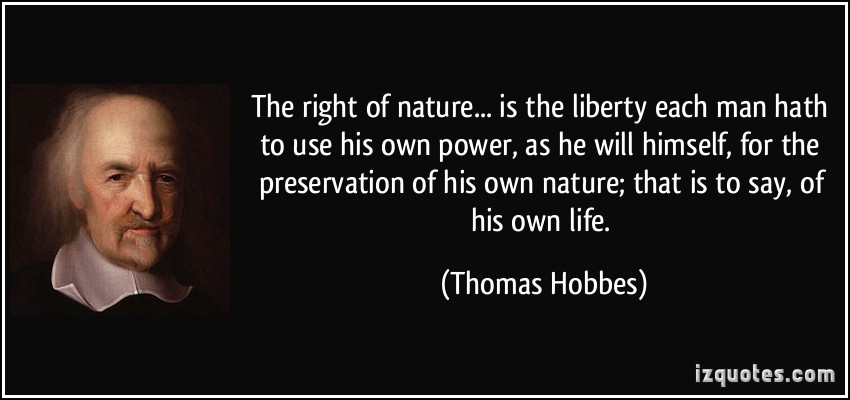
One of Hobbes’ key ideas is that in the state of nature, every individual has the liberty to use their power as they see fit for self-preservation. This unregulated freedom, however, leads to conflict, making life insecure and chaotic without a sovereign power to control it.
The Necessity of the Social Contract

To escape the peril of the state of nature, Hobbes argues that individuals enter into a social contract, giving up some freedoms for peace and protection. This covenant creates a sovereign authority empowered to enforce peace and prevent the return to the anarchic natural state.
The Origins of Civil Society and Government

Hobbes stresses that competition for resources and safety in the natural state motivates humans to form civil societies. The fear generated by this competition encourages the ceding of individual power to a central authority, ensuring stability and the rule of law.
The Contract as a Mutual Agreement

The social contract is a mutual agreement in which everyone consents to abide by common rules. Hobbes emphasizes that it is this covenant and the trust placed in a sovereign that enables peaceful coexistence, turning a state of natural war into an organized society.
The Right of Nature and Self-Preservation
Hobbes’ concept of the “right of nature” serves as a foundation: every person has the right to protect themselves by any means necessary. While fundamental, this right in the state of nature escalates conflict, illustrating the need for binding agreements to limit such freedoms.
Contractual Limits and Authority’s Power
Once the social contract is established, individuals transfer their natural rights to the sovereign who wields absolute power to enforce laws and maintain order. Hobbes contends this absolute power is essential to prevent society from slipping back into disorder.
Fear as a Motivating Factor for the Covenant
Fear of violent death and insecurity in the state of nature compels rational individuals to seek peace through covenant formation. Hobbes identifies fear as a primary reason why humans surrender liberties and submit to authority for collective safety.
The Fragility of Natural Freedom
Though natural freedom exists initially, Hobbes explains it is fragile and unsustainable without overarching rules. The transition from a natural state to political society protects individuals from the destructive consequences of unrestricted liberty.
The Covenant’s Role in Defining Justice
Hobbes redefines justice as obedience to the social contract and the sovereign’s laws. In the state of nature, there is no justice or injustice, only might and survival. Justice emerges only within the framework of the covenant and civil society.
