Julius Nyerere, the founding father of Tanzania, was not only a political leader but also a profound thinker who championed the concept of Ujamaa, or familyhood. This philosophy focused on community, mutual assistance, and collective progress, which he believed were essential for building a just and self-reliant society. Below are 10 insightful quotes from Julius Nyerere that capture the essence of Ujamaa, each accompanied by reflections to inspire a deeper understanding of his vision.
Empowering Communities Through Self-Development
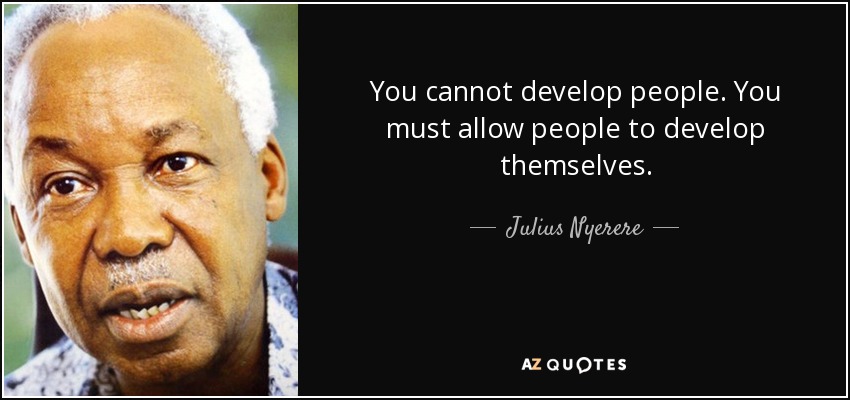
“You cannot develop people, you must allow people to develop themselves.” This powerful statement underscores the core principle of Ujamaa: true growth and development come from within communities. Nyerere believed that external imposition was ineffective compared to enabling individuals and communities to harness their own potential and work collaboratively towards shared goals.
Adapting Together for Collective Progress
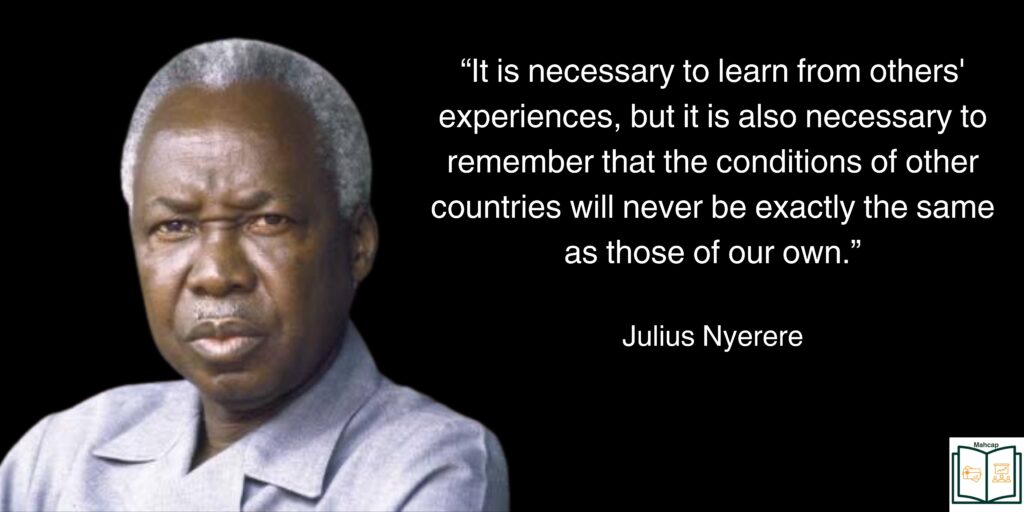
In an ever-changing world, Nyerere emphasized adaptability as a key factor for a successful Ujamaa society. His insights remind us that communities must be flexible and open to change while holding on to their shared values of unity and cooperation. This adaptability fosters resilience and sustainable progress within Ujamaa villages.
The Strength of Mutual Assistance

The spirit of mutual aid is fundamental in Ujamaa. Nyerere insisted that individuals thrive when surrounded by communities that support and uplift each other. This philosophy encourages sharing resources, knowledge, and labor so that no one is left behind in the collective journey toward prosperity.
Rejecting Evil for a Just Society

Nyerere’s moral vision for Ujamaa was clear: only by rejecting evil and embracing justice can a society flourish. The ethical foundation of Ujamaa calls for fairness, integrity, and respect among all members of the community, which helps build lasting peace and unity.
The Role of Leadership in Ujamaa
:max_bytes(150000):strip_icc()/GettyImages-2667175-5c8e80a8c9e77c0001eb1c31.jpg)
For Nyerere, leadership was about service, humility, and guiding communities to realize their potential. He viewed leaders not as rulers but as facilitators who nurture Ujamaa principles and empower people to assume responsibility for their collective welfare, fostering a genuine sense of belonging and participation.
The Vision of Shared Prosperity
“Ujamaa means familyhood – a society where wealth and resources are shared equitably among all members.” Nyerere imagined a society where economic disparities would be minimized, and everyone had access to the fruits of their collective efforts. This vision emphasized cooperation over competition as the path to lasting prosperity.
Education as a Pillar of Ujamaa
Education, according to Nyerere, was more than formal schooling—it was about raising awareness and cultivating the values of Ujamaa. He believed that education should nurture socially responsible citizens who understand the importance of solidarity and contribute actively to their communities.
Cultivating Unity in Diversity
In the diversity of Tanzania’s many ethnic groups, Nyerere saw an opportunity rather than a challenge. Ujamaa inspired unity despite differences, promoting a national identity rooted in respect, cooperation, and mutual understanding.
Sustainability Through Collective Effort
Ujamaa also encouraged sustainable living by advocating for agriculture, communal work, and environmental stewardship. Nyerere argued that only through shared responsibility could natural resources be managed wisely for the benefit of current and future generations.
Hope for Future Generations
Finally, Nyerere’s Ujamaa was a hopeful philosophy aimed at securing a better life for future generations. He believed that through cooperation, self-reliance, and a commitment to common good, societies could overcome poverty, injustice, and inequality to build a brighter tomorrow for all.