Can the unsettling concept of abjection really reveal the hidden contours of our psyche? Julia Kristeva’s exploration of abjection challenges us to confront that which society rejects and suppresses, pushing the boundaries of what we consider clean, normal, or acceptable. Join me as we dive into 10 thought-provoking quotes from Kristeva that unwrap the complex layers of abjection, blending philosophical insight with a playful challenge to our understanding of self and other.
Abjection: The State of Ambiguity
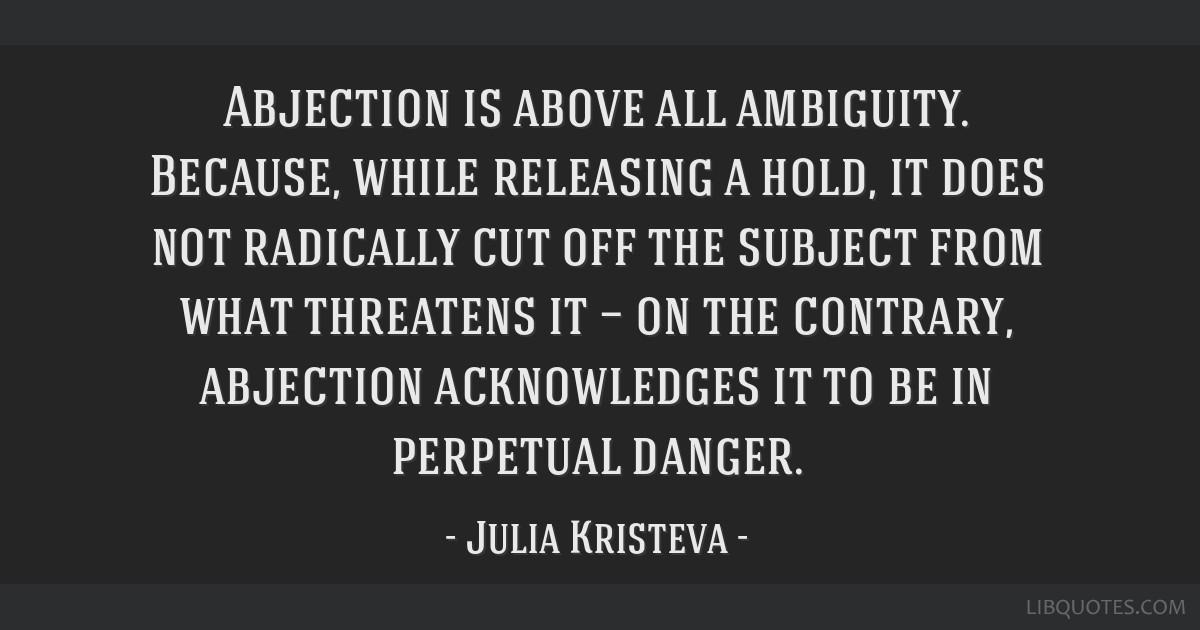
“Abjection is above all ambiguity. Because, while releasing a hold…” This snippet nudges us to think: how often do we encounter experiences or sensations that don’t quite fit into neat categories? Abjection dwells in this gray zone, escaping simple definitions and inviting us to reconsider how ambiguity plays a role in our emotional and psychological lives.
The Unseen Edge of Beauty and Sadness
Can beauty be sad? Kristeva’s reflections hint at the intertwined nature of attraction and repulsion. Abjection forces us to wrestle with this pairing — how something that draws us in can simultaneously repel, revealing the fragile boundary between fascination and disgust.
Unmasking the Horror of Abjection
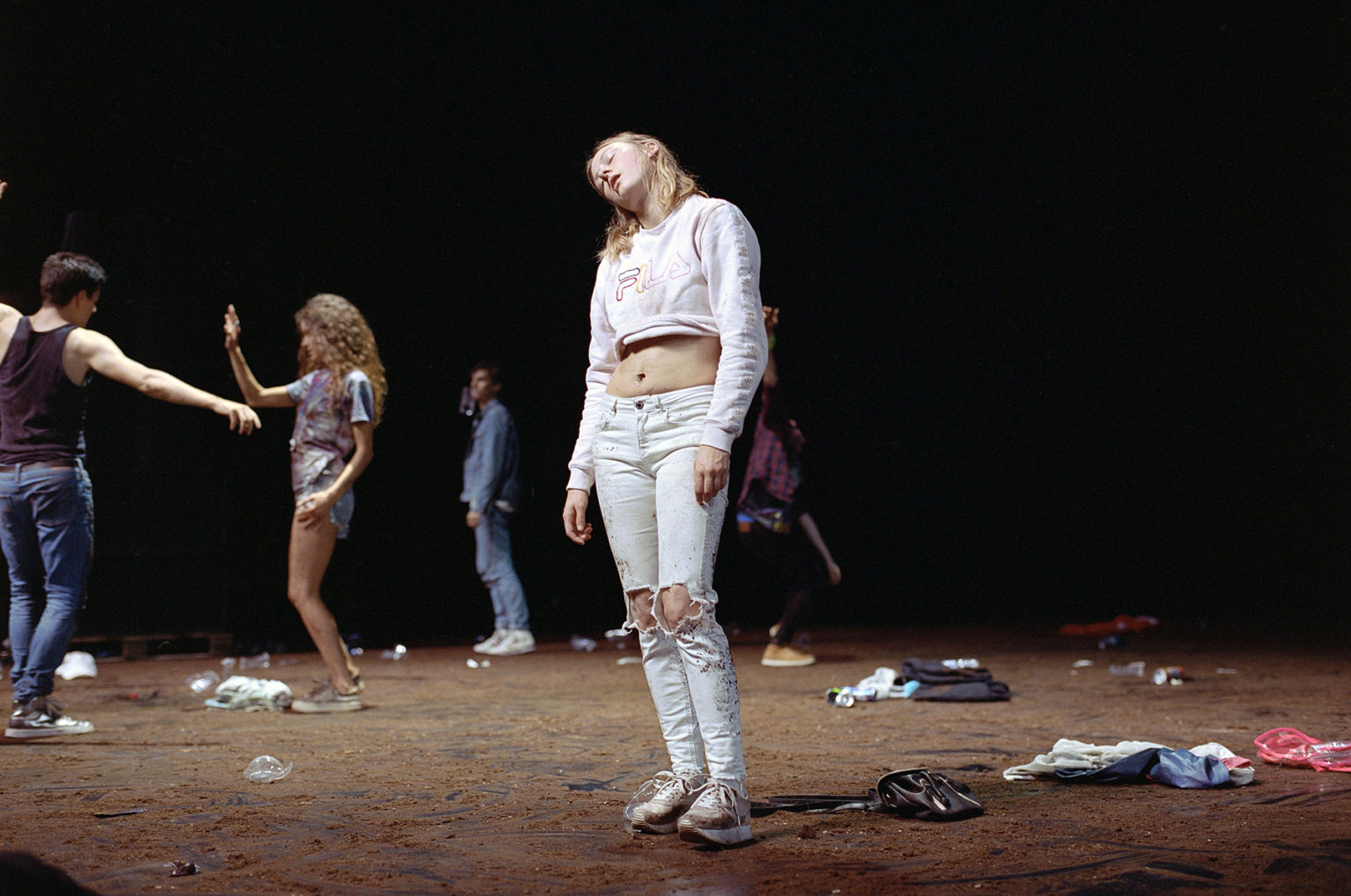
In her seminal work “Powers of Horror,” Kristeva reveals abjection as a source of horror — a force that unsettles identity and order. Are we ready to face what lurks beneath the surface of societal norms? Challenging as it is, this horror is a vital part of understanding human psychology and culture.
Abjection as a Break from the Symbolic Order
Abjection breaks our connection to the symbolic order — the language, rules, and structures we live by. By doing so, it questions the very frameworks that construct meaning. This forces us to ask: when the foundations of order crumble, what new understandings might emerge?
Why Do We Reject the Abject?
Kristeva points out that abjection represents what disturbs identity and order — the “trash” that civilization wants to cast off. But is casting off these elements a denial of parts of ourselves? The challenge lies in negotiating our relationship with the rejected and the rejected self.