Have you ever wondered if profiling is truly an effective tool or just a shortcut filled with pitfalls? Jack Crawford, a character known for his strategic mindset and experience, offers some intriguing perspectives on profiling that challenge us to think deeper. Let’s dive into 10 notable quotes attributed to him, exploring the nuances and complexities of profiling through his words.
When Does Profiling Become Punishment?


Jack Crawford reminds us that profiling isn’t just about assumption—it can feel like punishment to those who are innocent. It challenges the very foundation of fairness. How can one balance security and justice without casting too wide a net?
The Danger of Racial Profiling

Profiling based on race introduces bias, threatening societal harmony. Crawford’s reflections provoke a crucial question: Should we allow a quick judgment based on appearances when the cost might be alienation or worse?
Profiling as a Double-Edged Sword
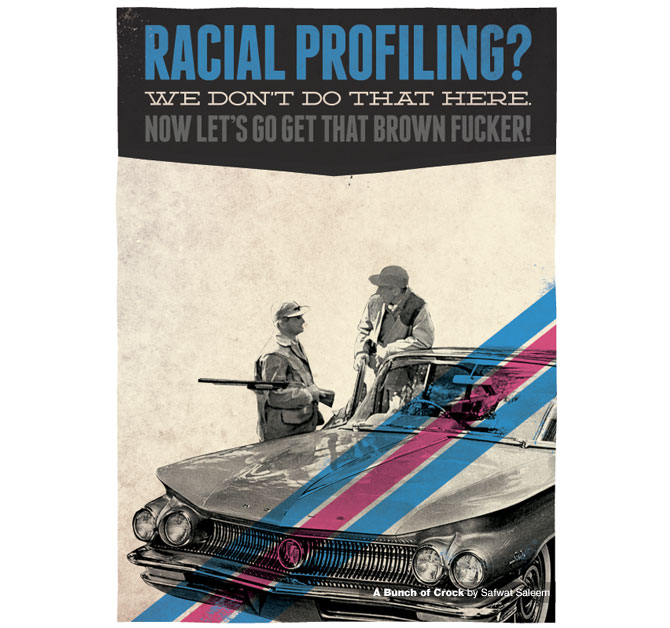
Profiling can be a tool or a trap. According to Crawford’s outlook, it’s important to question whether this practice helps solve crimes or simply reinforces stereotypes. Are we really gaining clarity, or are we blinding ourselves with assumptions?
Fear and Profiling: When Does Fear Drive Decisions?

While Joan Crawford’s quote about fear inspires courage, Jack Crawford’s shadows of doubt around profiling urge us to ask: Is fear of the unknown driving profiling decisions? And are we braver by facing facts rather than reacting emotionally?
Profiling in Law Enforcement: A Necessary Evil?

From the intensity of “A Few Good Men,” Jack Nicholson’s portrayal of law enforcement intersects with Crawford’s perspective: there’s a tension between operational necessity and ethical boundaries. How do we navigate this thin line without losing our moral compass?
Balancing Intuition and Evidence
Crawford’s quotes hint at a core dilemma—how much should intuition weigh in profiling? Could relying too heavily on gut feelings eclipse solid evidence, resulting in miscarriages of justice? This balance is delicate and paramount.
Profiling and Its Impact on Society
Beyond individuals, profiling shapes collective trust in institutions. When profiling becomes discriminatory, it can erode community bonds. Jack Crawford’s words encourage us to consider whether our methods build or break the society we live in.
Can Profiling Ever Be Unbiased?
This question hangs over many of Crawford’s reflections. If unconscious biases infiltrate profiling, is true impartiality even achievable? It invites a sincere self-examination on the limits of human judgment.
When Profiling Oversteps Its Bounds
Jack Crawford’s insights also warn against the overreach in profiling—when it stops being a tool for protection and turns into oppression or harassment. Recognizing this is key to reforming systems that rely on profiling.
Rethinking Profiling for the Future
Ultimately, Jack Crawford challenges us to rethink profiling not as a fixed practice but as one needing constant scrutiny and evolution. How can we innovate to create safer, fairer ways to protect without sacrifice? That’s the puzzle we must solve.