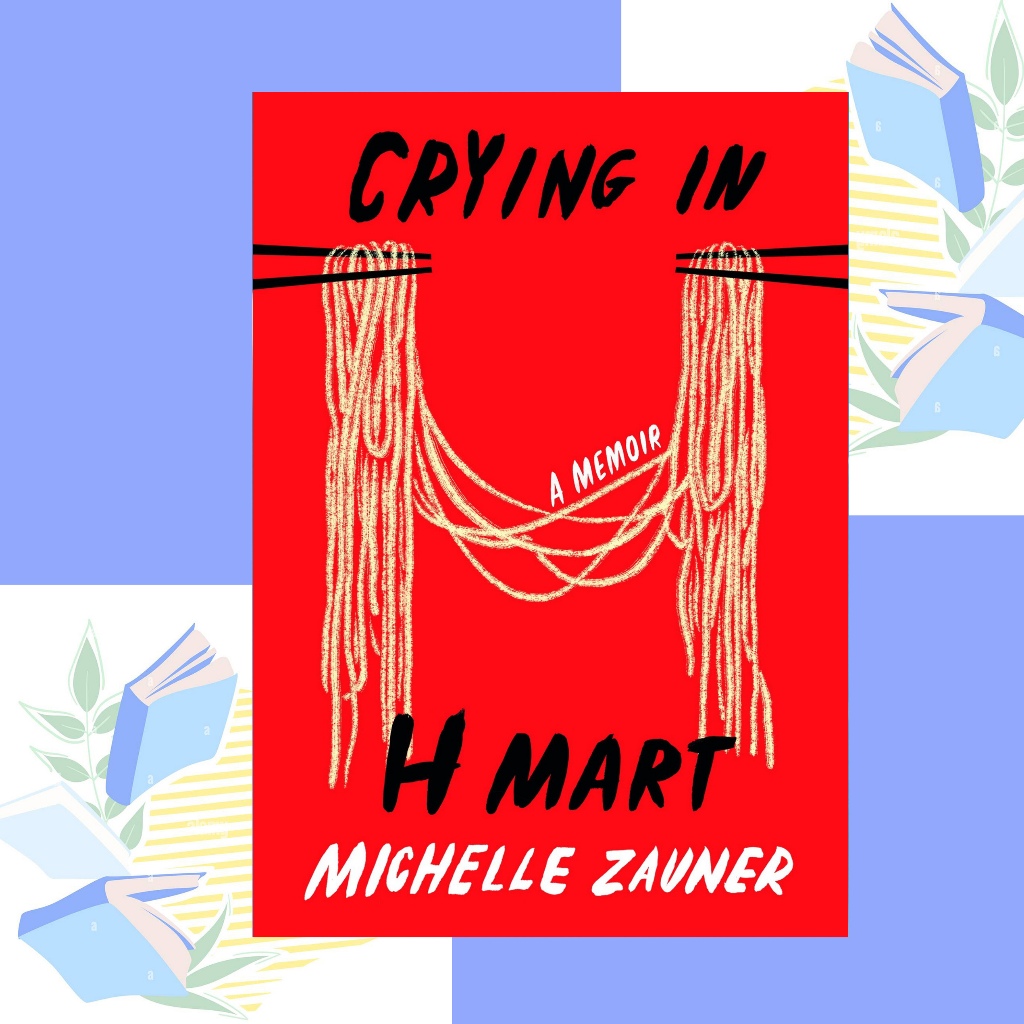
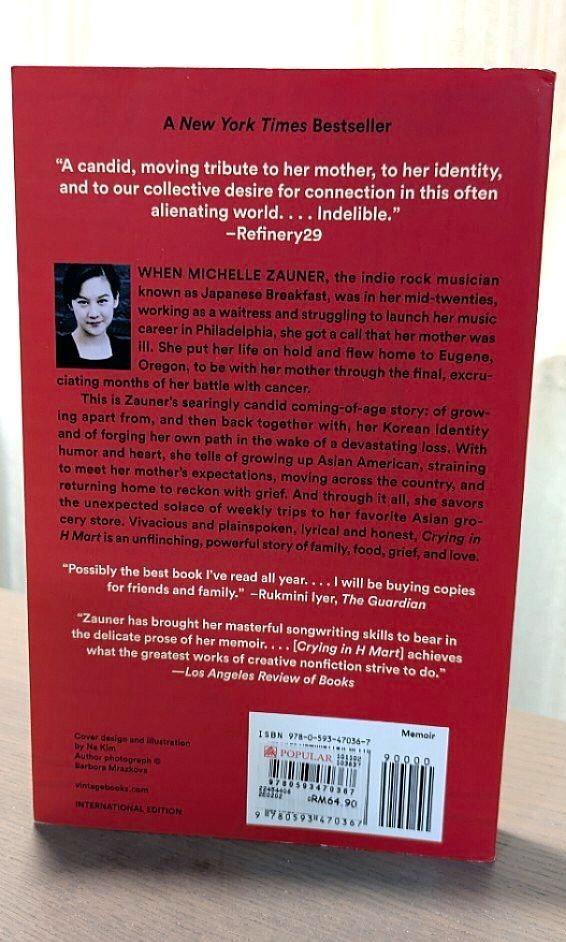
In Crying in H Mart, Michelle Zauner paints a poignant tapestry woven from the threads of food, family, and identity. Each quote is a tender morsel, biting into the complexities of grief, belonging, and cultural memory. Through simmering metaphors and heartfelt reflections, Zauner’s memoir reveals how Korean food becomes a vessel carrying her mother’s love and the echoes of a heritage that shapes who she is. Below, we explore 10 unforgettable quotes that crystallize the profound connection between nourishment, loss, and the search for self in this moving narrative.
1. The Flavor of Memory


“Each spoonful was a time capsule, preserving the scent and taste of my mother’s kitchen long after she was gone.” Zauner likens food to a living archive, a sensory bridge that transports us back into the warm, comforting embrace of family moments that time cannot erode. Here, meals are not just sustenance but sacred relics of love and memory.
2. Steaming Bowls, Steaming Emotions

The steam rising from a bowl of hot soup mirrors the rising tide of grief within Zauner’s heart: “The steam curls around my face like the quiet whispers of my mother’s voice, fading but never gone.” This metaphor captures the intangible yet indelible presence of a lost loved one, lingering in the ordinary rituals of daily life.
3. The Language of Soy and Salt

“The soy sauce stains on my fingers tell stories in a language only my soul understands.” Food in Zauner’s world becomes a dialect—a way to articulate heritage and identity when words fall short. The tactile, messy reality of cooking transforms into intimate communication with her culture and her mother’s spirit.
4. The Feast of Absence
Loss tastes bitter but is often masked under the savory spices of tradition: “Our dinners were full, yet my chair sat empty – a feast seasoned with absence.” Zauner’s metaphor of the empty chair evokes the paradox of togetherness shadowed by loss, illustrating how grief inhabits communal spaces once vibrant with life.
5. The Identity Marinated in Time
“Like kimchi fermenting in the dark, my sense of self deepened through the slow transformation of pain and acceptance.” This metaphor captures the slow, complex process of identity formation entwined with grief and healing—a transformation as rich and layered as Korean fermentation traditions.