James Joyce’s Dubliners offers a profound exploration of the themes of paralysis and epiphany, capturing the intricate moments when characters confront the stasis in their lives and occasionally experience sudden clarity. These moments reveal the complexities of human existence in early 20th-century Dublin, portraying both the limitations imposed by society and the inner awakenings that challenge them. Below are ten powerful quotes from Dubliners that delve into these themes, presented alongside striking images that encapsulate the essence of Joyce’s work.
The Weight of Paralysis in Everyday Life
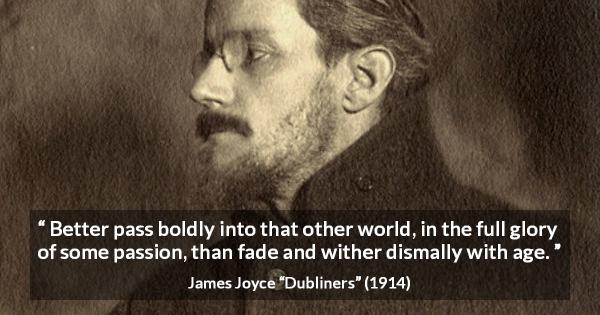
This quote highlights the emotional paralysis that characters in Dubliners frequently experience. It speaks to the tension between desire and the societal forces that suppress individual passion, leaving characters trapped in unfulfilled existences.
Capturing the Mundanity and Stagnation
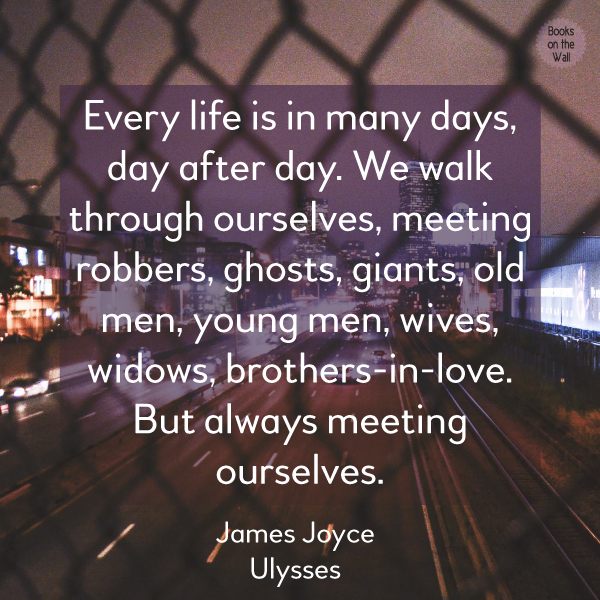
Although this quote comes from Ulysses, it resonates deeply with the themes in Dubliners. It underlines the feeling of routine entrapment, where lives are confined by repeated actions and unchanging circumstances, embodying the paralysis many Dubliners face.
Awakening Through Epiphany: The Moment of Sudden Insight

This powerful line from “The Dead” symbolizes the climactic moment of epiphany, when the protagonist gains profound insight into life, love, and mortality. Such revelations often arrive in the face of paralysis, signifying both escape and resignation.
Paralysis as a Cultural Condition

This image accompanies a detailed exploration of paralysis as not merely an individual affliction but a reflection of the cultural and political environment in Dublin. Joyce’s stories illustrate how societal norms and history contribute to personal inertia.
The Duality of Paralysis and Epiphany
Here, the focus is on the dynamic interplay between paralysis and epiphany—the moments characters become aware of their paralysis but often remain unable or unwilling to change. This tension is central to the emotional and psychological depth of Dubliners.
“A Little Cloud”: The Tragedy of Unfulfilled Dreams
The story “A Little Cloud” dramatizes the crushing realization of missed opportunities and the paralysis that follows. The protagonist’s epiphany is painful: recognizing his own immobilization in the face of his dreams.
“Eveline”: The Struggles of Escape and Commitment
In “Eveline,” Joyce captures the paralysis that comes from conflicting duties and desires. Her epiphany is a pivotal moment where she comprehends her entrapment but remains unable to act, embodying the paralysis theme poignantly.
“The Dead”: Awareness of Life’s Ephemeral Nature
The concluding story’s epiphany reveals deep truths about memory, loss, and mortality. Gabriel Conroy’s realization signals a complex emotional awakening, an epiphany that blends beauty with melancholy, highlighting the transience of life.
The Urban Landscape as a Symbol of Paralysis
Joyce uses the city of Dublin itself as a metaphor for paralysis. The stories depict an urban space filled with routine, stagnation, and inertia, suggesting that the physical and social environment enforces the characters’ frozen existence.
Epiphany as a Catalyst for Reflection
Finally, epiphany in Dubliners serves as a moment of clarity that forces characters to reflect on their personal and communal paralysis. Though change is often elusive, these insights invite readers to confront universal human struggles with freedom and constraint.