


Airbnb didn’t just change the way we travel—it changed the way we think about belonging. From its humble beginnings as a couch-surfing experiment to a global hospitality giant, the company has always been about more than just renting a place to stay. It’s about creating moments where strangers feel at home, where hosts become family, and where every stay tells a story. Behind this mission is Brian Chesky, the co-founder and CEO whose words capture the heart of Airbnb’s philosophy. Here are 10 quotes that reveal the deeper vision behind the brand—and why it continues to captivate millions.
The Power of Belonging Anywhere
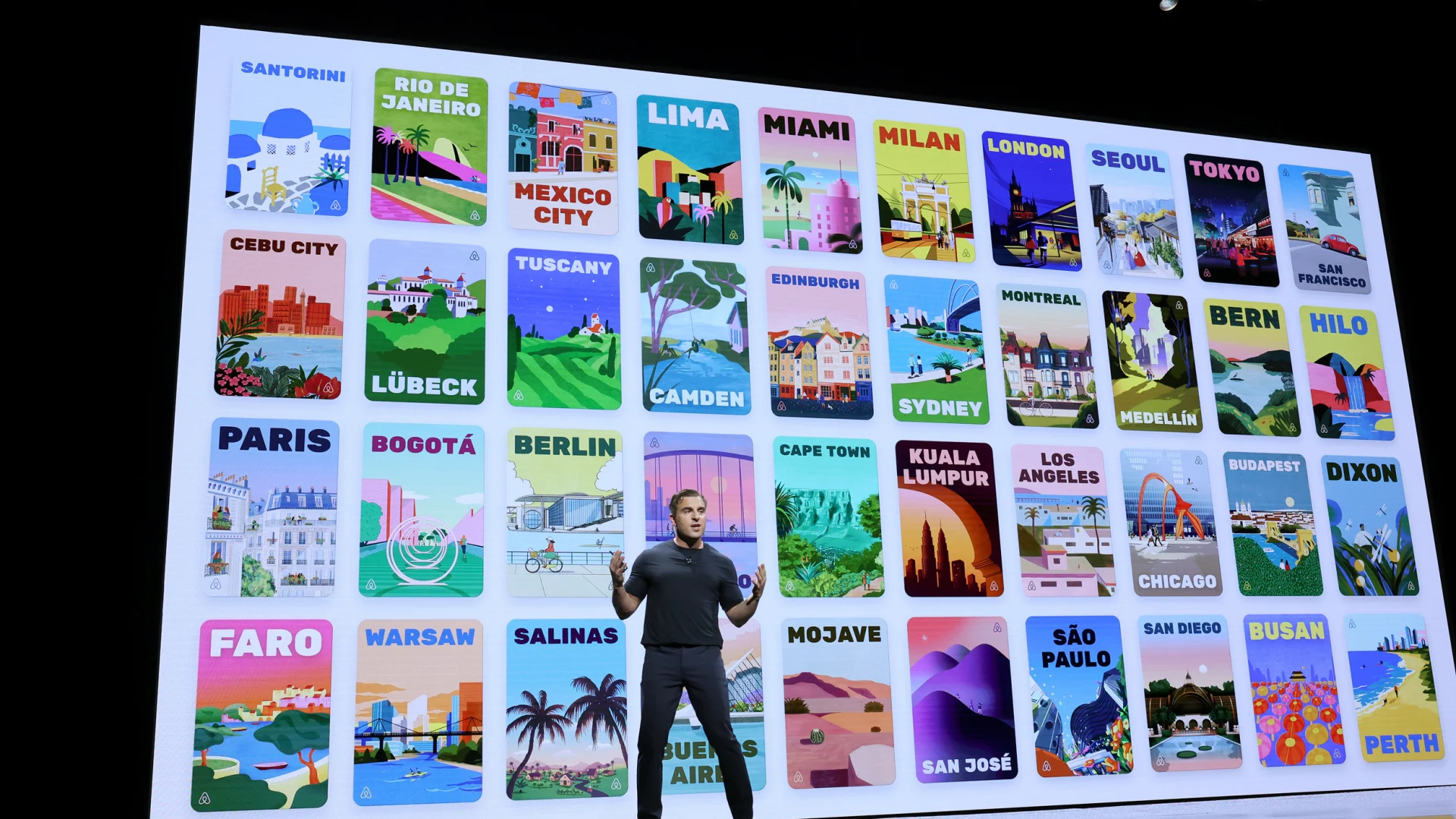
“Belonging is the idea that we’re all connected, and that we’re all part of something bigger than ourselves.” This simple yet profound statement from Chesky cuts to the core of what Airbnb represents. In a world where travel often feels transactional, Airbnb dares to ask: What if every trip could feel like coming home? The company’s name itself—Airbnb—hints at this ambition, transforming the impersonal act of booking a room into an invitation to belong. Whether it’s a treehouse in the woods or a loft in the city, the platform doesn’t just offer accommodations; it offers a sense of place, a feeling that you’re not just passing through, but truly part of the community.
“Belong Anywhere” as a Movement

“We’re not just a company that connects people to places to stay. We’re a company that connects people to people.” This quote underscores how Airbnb evolved from a marketplace to a movement. The shift from “bed and breakfast” to “belonging” wasn’t just a rebranding—it was a reimagining of travel itself. Chesky recognized early on that travelers weren’t just looking for a bed; they were searching for connection. The “Belong Anywhere” slogan became more than a tagline; it became a promise. It challenged the idea that hospitality is reserved for hotels and resorts, proving that the most meaningful experiences often happen in the homes of strangers who become hosts, and guests who become friends.
Designing for Human Connection

“Great design is invisible, but great hospitality is unforgettable.” For Chesky, the magic of Airbnb lies not in flashy features or polished interfaces, but in the intangible moments of warmth and welcome. The platform’s design—from the way listings are presented to the way hosts are encouraged to share their stories—is all geared toward fostering connection. It’s why a simple handwritten note from a host can feel more meaningful than a five-star rating. Airbnb understands that hospitality isn’t about perfection; it’s about authenticity. And in a world where digital interactions often feel hollow, that authenticity is a rare and powerful thing.
From Couch-Surfing to Cultural Shift

“We started as a way for people to rent air mattresses in our living room. Now we’re a way for people to belong anywhere in the world.” This quote reflects the journey of Airbnb itself—a company that grew from a desperate attempt to pay rent into a global phenomenon reshaping how we experience the world. But more than that, it highlights a cultural shift. Airbnb didn’t just create a new business model; it sparked a conversation about what travel should be. Should it be about ticking off landmarks, or about feeling at home in a new place? Should it be about isolation in a hotel room, or about connection in a local neighborhood? Chesky’s words remind us that the most profound innovations aren’t just about solving problems—they’re about redefining what we value.
The Role of Trust in Belonging

“Trust is the foundation of belonging.” In an era where skepticism often trumps connection, Chesky places trust at the heart of Airbnb’s mission. The platform’s review system, secure payment methods, and identity verification aren’t just practical features—they’re acts of faith. They say to users: We believe in the goodness of people. We believe that strangers can become friends. We believe that a home, no matter how small or humble, can become a sanctuary. This trust isn’t just transactional; it’s transformational. It’s what allows a solo traveler in Tokyo to feel safe in a stranger’s apartment, or a family in Barcelona to experience the warmth of a local’s hospitality. Without trust, belonging is just an empty word. With it, it becomes a reality.
