Robert Putnam’s Bowling Alone isn’t just a book—it’s a wake-up call. Published in 2000, this groundbreaking work exposed how America’s social fabric was fraying, long before smartphones and social media dominated our lives. The title itself—a nod to the decline of bowling leagues—symbolizes a broader retreat from community. But within its pages lie insights that still resonate today, challenging us to rethink how we connect, trust, and invest in one another. These 10 quotes distill Putnam’s sharp observations on social capital, offering a mirror to our modern dilemmas and a roadmap for rebuilding what’s been lost.
The Power of Social Connections

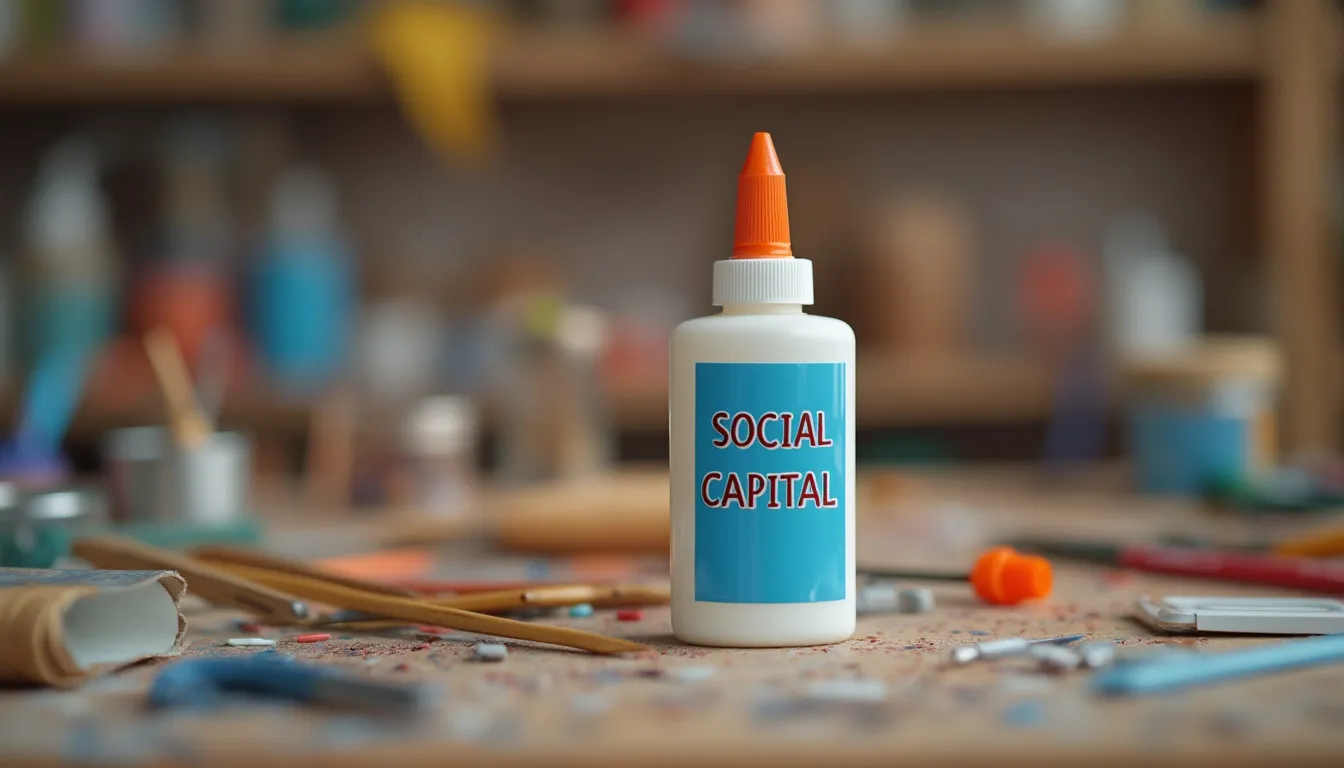
Putnam argues that social capital—the networks, norms, and trust that bind communities together—isn’t just a feel-good concept. It’s the glue that holds societies together. “Social capital,” he writes, “refers to connections among individuals—social networks and the norms of reciprocity and trustworthiness that arise from them.” These connections aren’t just about having friends; they’re about creating a safety net where people look out for one another. In an era where loneliness is on the rise, Putnam’s words remind us that our well-being depends on more than just individual success—it hinges on our collective bonds.
From Bowling Leagues to Civic Engagement
Putnam’s famous metaphor of “bowling alone” captures the erosion of communal activities that once brought people together. “Bowling in leagues has plummeted in the last decade,” he notes, “while bowling alone… has soared.” This shift isn’t just about bowling—it’s about the decline of civic organizations, religious groups, and neighborhood gatherings. When we stop participating in these shared spaces, we lose more than just fun; we lose the chance to build trust and cooperation. Putnam’s research shows that communities with higher social capital are healthier, safer, and more resilient. The question is: How do we revive these connections in a world that often prioritizes convenience over community?
The Paradox of Modern Life

One of the most striking paradoxes Putnam highlights is how technological progress can sometimes deepen social isolation. “The more we use the internet,” he observes, “the less we trust our neighbors.” While technology connects us to people across the globe, it often disconnects us from those right next door. Putnam’s work forces us to confront an uncomfortable truth: Our hyper-connected world might be making us lonelier. The challenge isn’t to reject technology but to use it in ways that foster real-world connections. Whether it’s joining a local club or volunteering, the key is to turn digital interactions into tangible community-building moments.
The Ripple Effect of Trust

Trust is the currency of social capital, and Putnam argues that it’s the foundation of a functioning society. “Social capital may turn out to be a precondition for, rather than a consequence of, effective [government] performance,” he writes. When people trust each other, they’re more likely to cooperate, whether it’s paying taxes, obeying laws, or supporting public initiatives. But trust isn’t built overnight—it’s cultivated through repeated interactions and shared experiences. Putnam’s insights challenge us to ask: What are we doing to nurture trust in our communities? Are we creating spaces where people feel safe to engage, or are we inadvertently widening the divides that keep us apart?
The Decline of Civic Participation

Putnam’s data paints a stark picture: Membership in civic organizations like the PTA, labor unions, and even religious groups has dropped dramatically. “The most fundamental form of social capital,” he notes, “is the family, and the next most fundamental is the neighborhood or community.” Yet, as families become more isolated and neighborhoods grow more transient, these fundamental bonds weaken. The consequences are far-reaching—from lower voter turnout to reduced economic mobility. Putnam’s work isn’t just a historical account; it’s a call to action. Rebuilding civic participation isn’t about nostalgia for the past—it’s about creating a future where people feel invested in their communities and each other.