


Ever wondered how a single book could hold the power to both shatter and shape a soul? Black Boy by Richard Wright isn’t just a memoir—it’s a survival manual disguised as literature, a raw testament to the resilience of the human spirit in the face of oppression. Through Wright’s unflinching prose, we’re not just reading about survival; we’re forced to confront the brutal realities of racism, poverty, and the relentless hunger for knowledge in a world that would rather keep you in the dark. But here’s the kicker: what if the real survival wasn’t just enduring, but outsmarting the system that tried to break you? These 10 quotes from Black Boy peel back the layers of Wright’s journey, revealing how literacy and cunning became his most powerful weapons.
Literacy as a Weapon Against Ignorance


Wright’s obsession with books wasn’t just a hobby—it was rebellion. In a world where Black voices were systematically silenced, reading became his act of defiance. He writes, “I would hurl words into this darkness and wait for an echo, and if an echo sounded, no matter how faintly, I would send other words to tell, to march, to fight; I would shake the world.” This wasn’t just about escaping reality; it was about reshaping it. Every book he devoured was a brick in the foundation of his intellectual fortress, one that the oppressors couldn’t bulldoze.
The Double-Edged Sword of Knowledge

Knowledge in Black Boy isn’t a gentle companion—it’s a ruthless teacher. Wright’s hunger for learning exposes him to truths that are as painful as they are liberating. He reflects, “I knew that I lived in a country in which the aspirations of black people were limited, marked-off. Yet, I felt that I had to go somewhere and do something to redeem my being alive.” This tension between awareness and action is the crux of his survival. To know the extent of his oppression was to be both empowered and tormented, a paradox that Wright navigates with unmatched precision.
Survival Through Cunning, Not Just Strength
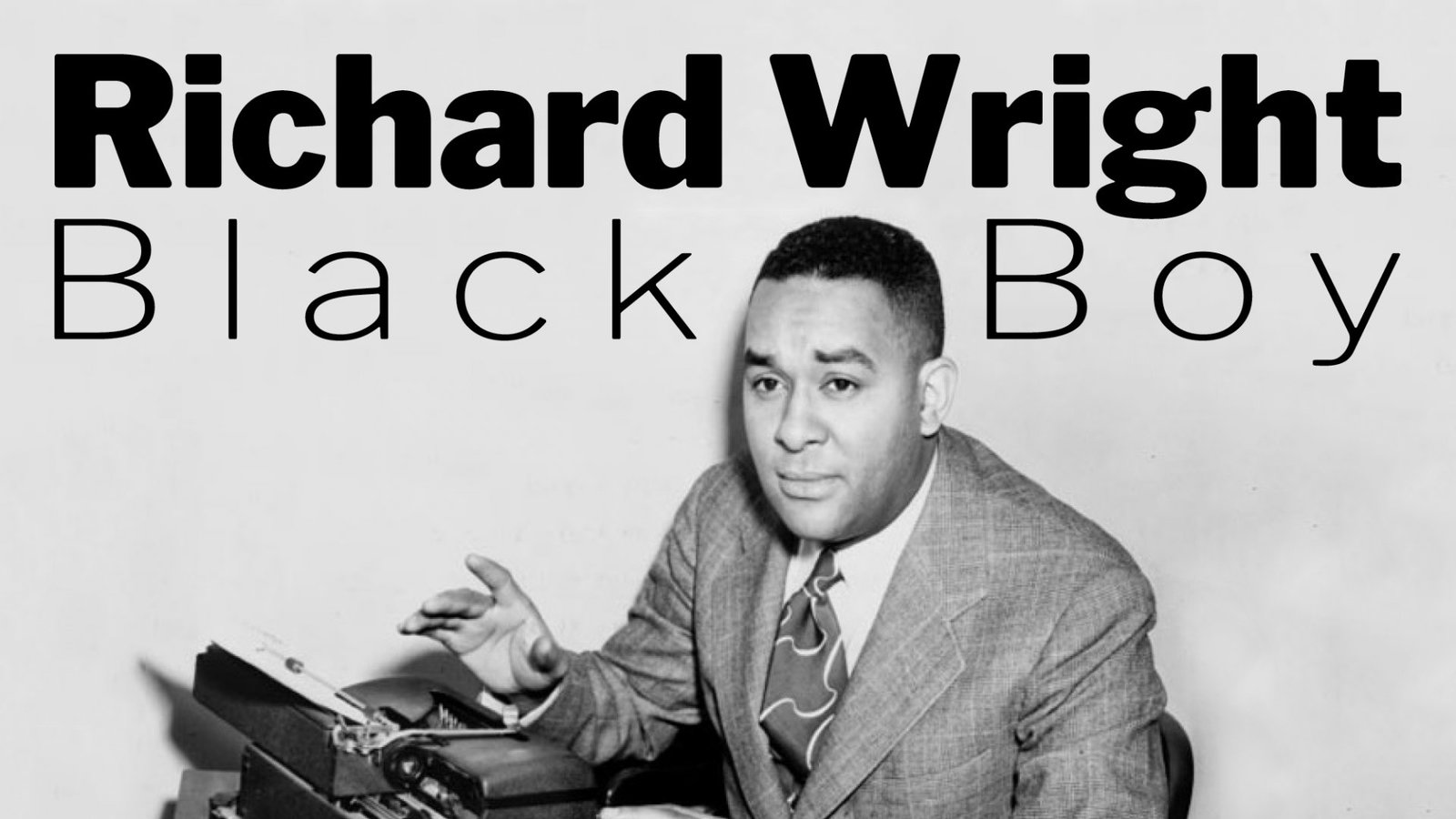
Wright’s survival isn’t built on brute force but on strategy. He understands that in a world stacked against him, wit is his greatest ally. He observes, “I had learned to live with fear, to control it, to use it. I had learned to live with hunger, to control it, to use it. I had learned to live with loneliness, to control it, to use it.” This isn’t just resilience—it’s a masterclass in turning vulnerability into power. Wright’s ability to manipulate his environment, whether through silence, deception, or sheer persistence, turns survival into an art form.
The Price of Ambition in a Hostile World
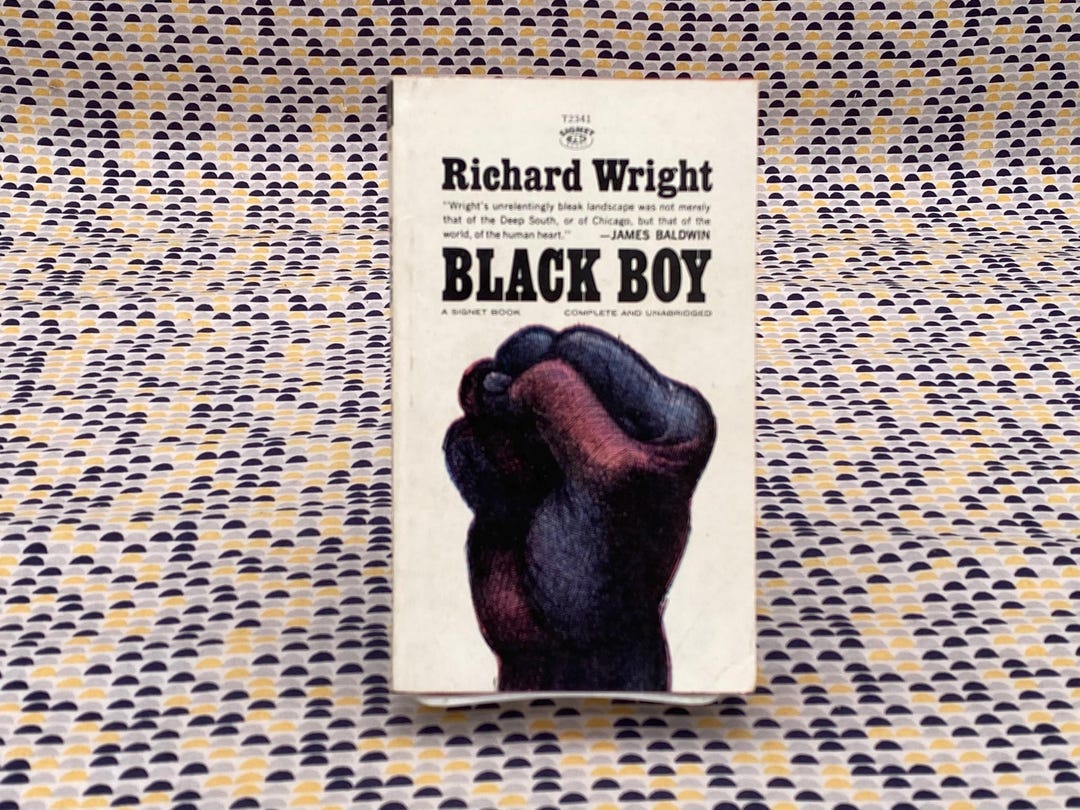
Wright’s ambition is both his salvation and his curse. He writes, “I wanted to write novels about Negro life, but I was afraid. I was afraid of writing the truth because I was afraid of what people would say.” This fear isn’t irrational—it’s a survival instinct. In a society that punishes Black excellence, ambition becomes a high-stakes gamble. Yet, Wright’s refusal to silence himself is what makes his work timeless. He turns his fear into fuel, proving that the act of creation itself can be an act of defiance.
Literacy as a Path to Freedom

For Wright, literacy isn’t just about reading—it’s about rewriting his destiny. He declares, “Words had become my enemies, then my friends, then my gods. I had to master them, to make them mine, to wield them like weapons.” This transformation is the heart of Black Boy. Words are his escape, his weapon, and ultimately, his legacy. They give him the power to name his oppression, to articulate his dreams, and to carve out a space where he refuses to be invisible.
