Bill Cosby’s legacy is a paradox—a man once celebrated as America’s favorite dad, whose words of wisdom were plastered on posters, mugs, and social media feeds, now stands as a cautionary tale. His quotes, once shared with affection and admiration, now carry a weight that forces us to confront uncomfortable truths. What made these words so beloved? And why do they now spark controversy? The answer lies not just in the words themselves, but in the culture that embraced them—and the reckoning that followed.
The Illusion of Wisdom: Quotes That Once Seemed Wise

There was a time when Bill Cosby’s quotes felt like a warm hug from a trusted mentor. Lines like *“I don’t know the key to success, but the key to failure is trying to please everybody”* were passed around as timeless advice for navigating life’s challenges. They resonated because they framed struggle as a personal failing rather than a systemic issue. The problem wasn’t society’s flaws—it was the individual’s inability to “tough it out.” These words, once seen as profound, now read as a blueprint for dismissing real pain in favor of hollow perseverance.
Parenting Advice That Masked a Darker Reality
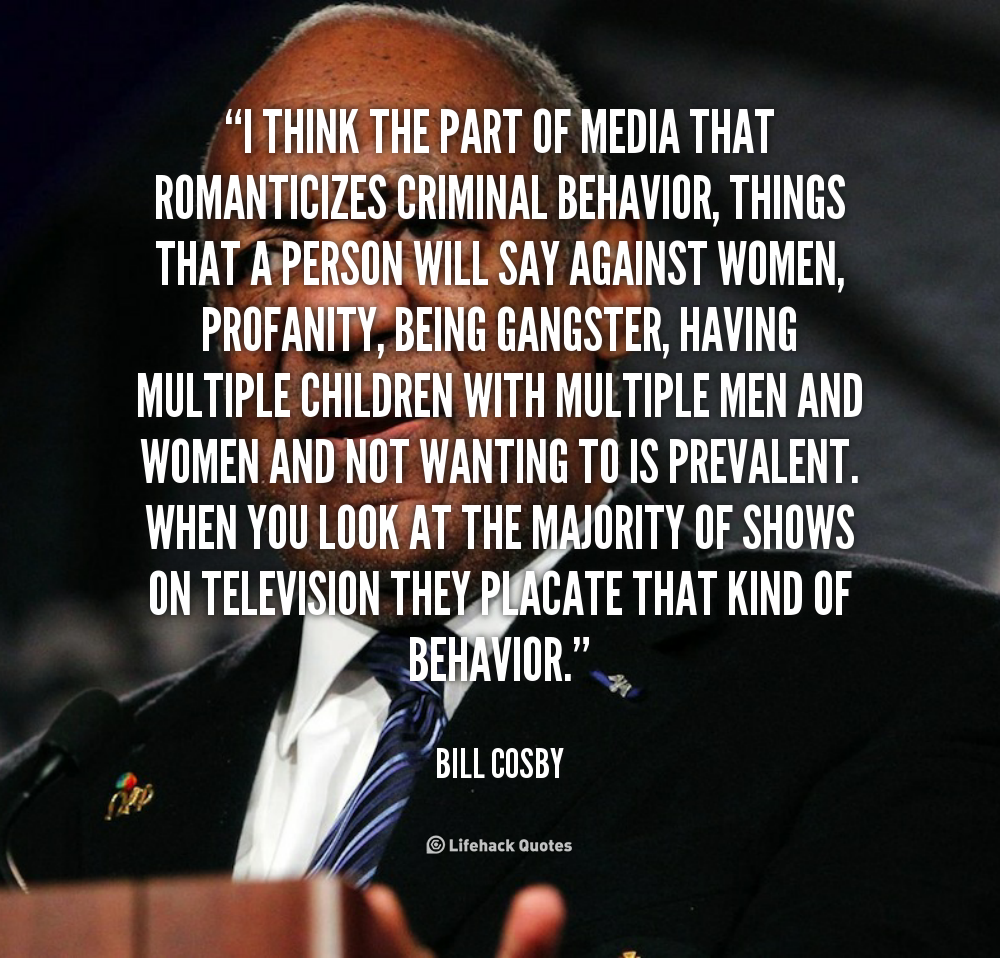
Cosby’s reflections on parenting and education were particularly influential. *“Parents have become so convinced that they shouldn’t tell their children ‘no,’ that they forget their job is to prepare them for the world.”* On the surface, it’s a call for discipline and resilience. But when viewed through the lens of his later legal troubles, the quote takes on a sinister undertone. It wasn’t just advice—it was a justification for control, a philosophy that blurred the line between guidance and domination. The same man who preached about strong family values was later exposed for violating that very trust.
Inspiration That Ignored the Uncomfortable Truths
Daily inspirational quotes from Cosby often centered on perseverance and personal responsibility. *“Through my education, I didn’t just develop skills, I didn’t just develop the ability to learn, but I developed confidence.”* These words, meant to uplift, now feel like a cruel irony. They ignore the systemic barriers that make education and opportunity inaccessible to so many. For a man who built his career on breaking racial barriers in entertainment, his later actions revealed a hypocrisy that his inspirational quotes could never paper over.
The Media’s Role in Crafting a Myth
The media played a pivotal role in shaping Cosby’s image as a sage. Quotes like *“There are some people who have trouble with self-discipline”* were repackaged as profound insights, stripped of their original context and repurposed for mass consumption. The internet’s ability to turn soundbites into viral wisdom meant that his words spread faster than the truth about his actions. What started as harmless motivational content became a cultural artifact of a time when we preferred simplicity over scrutiny, inspiration over accountability.
A Legacy of Contradictions
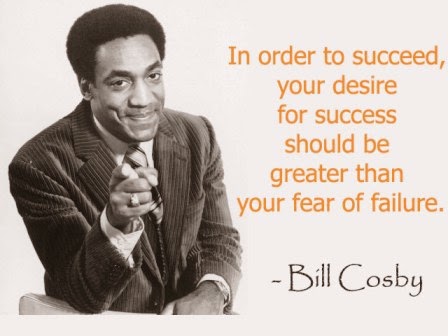
Bill Cosby’s quotes now serve as a mirror reflecting our own complicity in elevating flawed figures to pedestal status. They remind us that admiration is not the same as scrutiny, and that inspiration without integrity is just empty words. The same quotes that once adorned bedroom walls and office cubicles now force us to ask: What are we really celebrating when we share these words? And more importantly, what are we ignoring when we refuse to look deeper?