Alexander Hamilton, one of America’s most influential Founding Fathers, left behind a legacy that extends far beyond his role in shaping the U.S. Constitution. As the first Secretary of the Treasury, Hamilton’s vision for a strong central bank and sound financial policy laid the groundwork for America’s economic future. His words on finance, governance, and even the infamous duel that ended his life continue to resonate today. Here are 10 powerful quotes from Hamilton that shed light on his views about the treasury, power, and the consequences of his final confrontation.
The Necessity of a Strong National Treasury
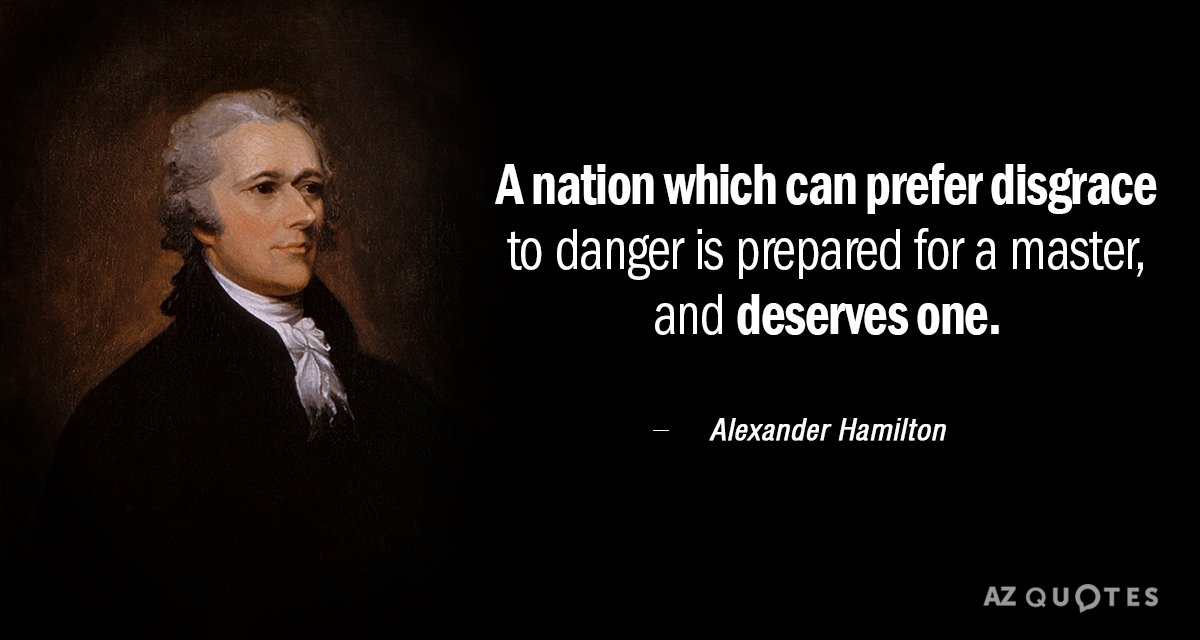
Hamilton firmly believed that a robust national treasury was the backbone of a stable and sovereign nation. He argued that financial strength was not just about wealth but about security and independence. His policies as Treasury Secretary were designed to establish credit, assume state debts, and create a national bank—all aimed at securing America’s place among the world’s great powers. Without a strong treasury, he warned, the nation risked falling into chaos and dependency.
The Dangers of Public Debt

Contrary to popular belief, Hamilton saw national debt not as a curse but as a tool for economic growth—provided it was managed responsibly. He believed that a moderate debt could bind citizens to the success of their government, fostering unity and shared responsibility. However, he also cautioned that excessive debt would lead to financial ruin and political instability. His nuanced view on debt reflects his broader philosophy of balancing ambition with prudence.
The Role of Government in Economic Stability

Hamilton’s advocacy for a strong central government extended to economic matters. He believed that a well-structured government was essential for maintaining financial order and preventing the kind of economic crises that plagued other nations. His vision included a federal bank, standardized currency, and protective tariffs—all designed to create a self-sufficient and prosperous America. For Hamilton, economic stability was inseparable from political stability.
The Perils of Unchecked Power
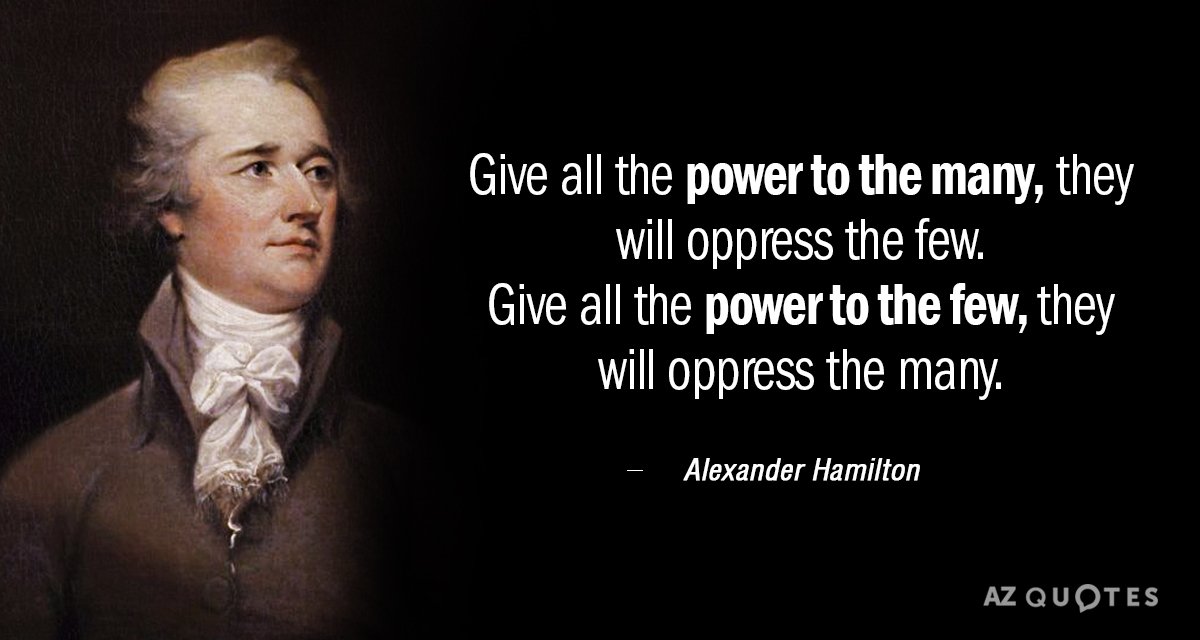
While Hamilton championed a strong federal government, he was deeply skeptical of pure democracy. He feared that giving too much power to the masses would lead to tyranny of the majority, where the rights of minorities—and even individuals—would be trampled. His warnings about the dangers of unchecked popular power foreshadowed many modern debates about governance, representation, and the balance between liberty and order.
The Final Confrontation: A Legacy of Defiance

The duel with Aaron Burr in 1804 remains one of the most infamous episodes in American history. Hamilton, who had long opposed dueling on moral grounds, found himself in a position where he felt compelled to defend his honor. His death at Burr’s hands cut short a life dedicated to nation-building, but his principles lived on. The duel also sparked national outrage, leading to the decline of dueling as an accepted practice in American society.
Financial Wisdom for a New Nation
Hamilton’s financial acumen was unmatched in his time. He understood that a nation’s prosperity depended on more than just land or military might—it required a disciplined approach to money, credit, and trade. His reports to Congress, including the groundbreaking Report on Public Credit and Report on a National Bank, laid the foundation for America’s economic system. Today, as debates about debt, inflation, and financial regulation continue, Hamilton’s insights remain strikingly relevant.
The Cost of Principle: Hamilton’s Duel
Hamilton’s decision to face Burr in a duel was a tragic culmination of years of political and personal conflict. Though he had previously condemned dueling, he felt he had no choice but to defend his reputation. His death was a stark reminder of the personal costs of political battles. Yet, in choosing to stand by his principles, Hamilton cemented his legacy as a man who valued honor above all else—a trait that defined both his greatest achievements and his ultimate fate.
A Vision for America’s Economic Future
Hamilton’s economic policies were revolutionary for their time. He believed that America could—and should—compete with Europe’s great powers through financial innovation rather than military conquest. By establishing a national bank, assuming state debts, and creating a stable currency, he set the stage for America’s rise as an economic superpower. His ideas challenged the conventional wisdom of the era and proved that a young nation could achieve greatness through discipline and foresight.
The Enduring Relevance of Hamilton’s Ideas
More than two centuries after his death, Hamilton’s ideas continue to shape American politics and economics. From debates about the national debt to discussions about the role of government in the economy, his influence is undeniable. His belief in a strong, centralized government and a robust financial system remains a cornerstone of modern American governance. Whether you agree with his policies or not, Hamilton’s vision forces us to confront fundamental questions about power, responsibility, and the future of the nation he helped create.