


The capacity to love again is one of humanity’s greatest acts of bravery. Life often leaves us broken—by heartbreak, loss, or the weight of past mistakes—yet every time we choose hope over fear, we prove that love isn’t about perfection but perseverance. Whether it’s reconnecting after a separation, trusting after betrayal, or letting someone see your most vulnerable side again, the courage to love isn’t reserved for novels or movies; it’s something we experience in quiet moments or in the face of our deepest doubts. Here are ten profound quotes about the courage required to give and receive love—even when old wounds ache—and why they matter more than ever in a world that too often glorifies caution over compassion.
When Fear Holds You Back
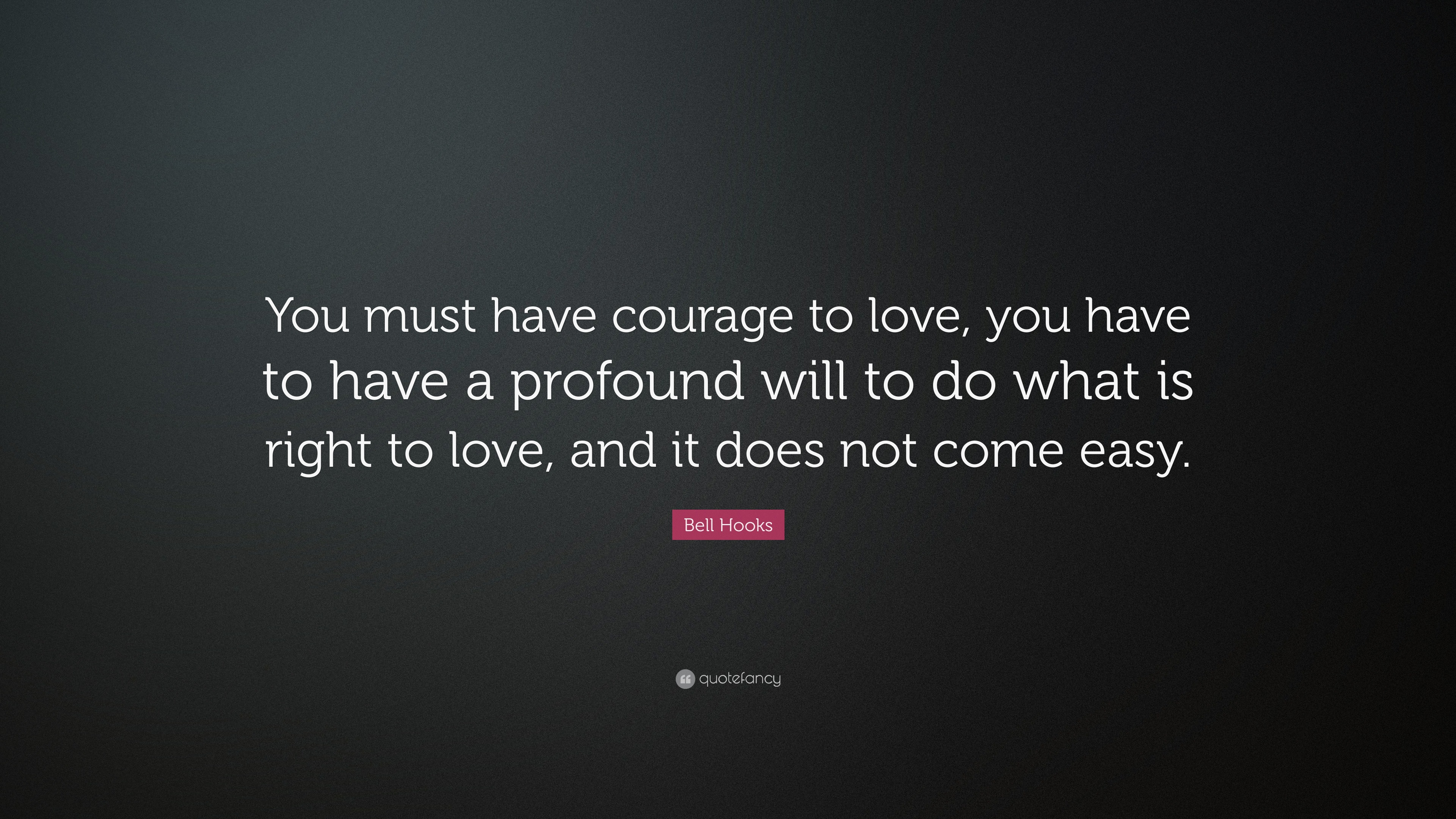
Love isn’t romanticized without struggle. Bell Hooks once said, *“You must have courage to love—you have to have the courage to be vulnerable, to risk shame and rejection.”* This isn’t just true for the person on the outside—it’s equal parts true for the one standing inside, examining why trust was broken originally. The irony of love’s power is that the harder we armor ourselves against pain, the harder we armor others against being loved. True courage means peeling back layers not just to heal, but to choose to feel again, knowing that heartache is the birthright of connection.
The Recklessness of Hope

To love again, one must first believe that love *can* exist without condition. *“You can love again,”* reminds us there’s no expiration date on our capacity for tenderness. Yet hope—especially after disappointment—feels like a reckless gamble. It’s easier to blame circumstances or partners than to sit with the idea that perhaps *I* am part of the problem. The courage to love again isn’t just believing others are worthy of trust; it’s letting go of the idea that self-preservation means permanent solitude.
A Warrior’s Oath: Trusting Love Repeatedly

Quotes about the courage to love again often evoke imagery of warriors—the kind who choose battles not for fame, but because they’ve nowhere else to go. *“It takes the courage of a warrior to make and keep a vow of love,”* the writer asserts, framing love as a daily battle against cynicism and past failures. The vow here isn’t about grand declarations but in the mundane: showing up when tired, speaking when silent, or mending the cracks in communication when they’re fresh. It’s the courage to treat new love as something sacred, not something to be proven.
Trusting *Themselves* into Love
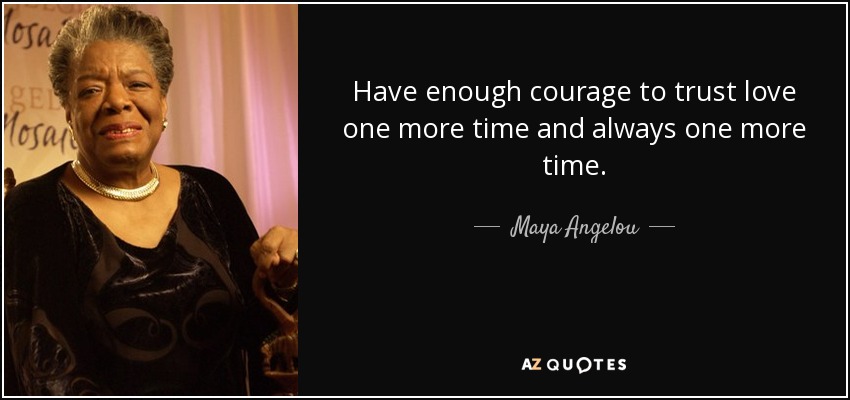
Maya Angelou once advised: *“You must have enough courage to trust love one more time—and always one more time.”* But what if the greatest trust required is learning to love *yourself* into vulnerability? Too often, we tell others it’s safe to love us again—but not ourselves. The courage to love differently starts with the daily practice of seeing our flaws as potential for growth, not proof we’re unlovable. Before we’re “ready,” we must become the version we believe can be trusted. That work takes courage.
Love as an Undefinable Act
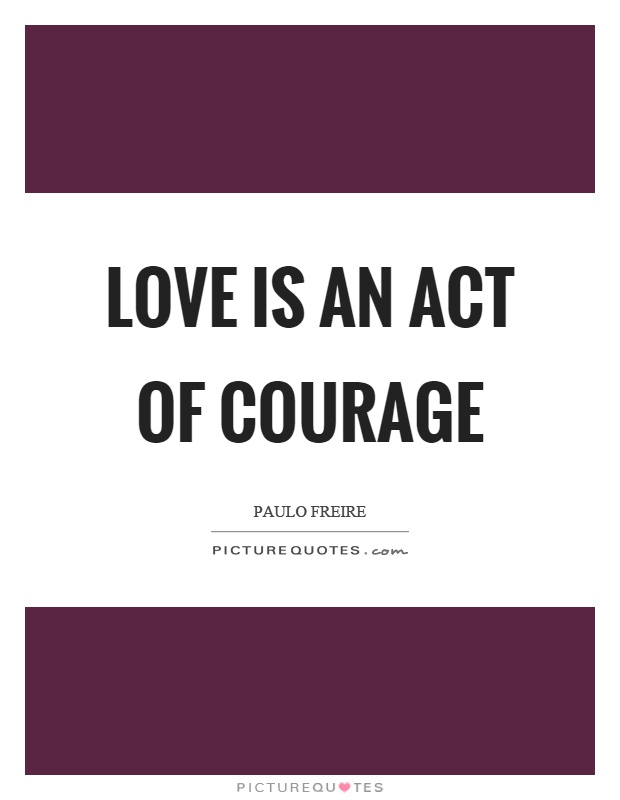
“Love is an act of courage,” goes the blunt truth, no flourish. It’s not a love letter’s poetry or the perfect moment—it’s the choice to extend your hand when fear whispers you’ll be burned again. Courage here isn’t the absence of fear but the refusal to let fear own your decisions. So where do we find it? In the quiet hours, when you question if the effort is worth it, yet still choose to love anyway. Because courage isn’t the destination—it’s the act of stepping onto the boat in a sea of doubts, knowing that every wave might break you… or remind you that pain is proof you lived.
The Paradox of Loving After Pain
Love’s irony lies in its paradoxes: that the most heartbreaks forge the depth of our tenderest love later; that our scars define the edges of what we can hold. To love again after injury is to prove that hope isn’t naive—it’s the antithesis of paralysis. The next time fear freezes you, or doubt whispers that you’re “too much to keep loving,” take a breath: ask not if you’re strong enough, but if you’re *willing*. Willing to risk heartache again, because that risk is what makes love feel worth the weight of your skin and soul.
At its core, the courage to love again is about realizing this: the heart isn’t a fragile flower to hide, but a furnace that needs fire to remember what warmth feels like. And if the next one breaks you? Then you’ve loved harder. That’s the definition of love’s bravest iteration—courage as the only thing we’re owed, because every human deserves to be hurt, to try again, and to believe love is within arm’s reach, even if the past once said otherwise.
