


Are you the only person holding yourself back from greatness? We’ve all met someone who possesses immense untapped potential, yet they operate from a place of doubt, hesitation—often because of self-limiting beliefs. These invisible barricades are everywhere: in the hesitation of the entrepreneur with untold ideas trapped in notebooks and the athlete who never steps into the limelight due to “what ifs.” They whisper in our minds, insisting that certain goals are forever out of reach before we’ve even tried. If this sounds familiar, then it’s time to tear down those mental walls. Success starts with perspective—and a few powerful quotes can be the torch to illuminate the path forward.
Unrecognizing the “I Can’t”: Let Go of the Stories You’ve Told Yourself

“Don’t let the fear of losing be greater than the joy of winning.”
That single sentence isn’t just a nudge—it’s a declaration. The stories we tell ourselves are rarely facts. We build castles of “I can’t” based on half-remembered failures or unsaid opportunities. But what if the truth is simpler? The real test isn’t whether you’ll fall but whether you’ll even try again. When you’re paralyzed by the *what-ifs*, ask this: if success were guaranteed tomorrow, how would you act right now? That’s not bravery—that’s honesty.
From “Never Enough” to “What’s Next” – Redefining Ambition

Consider this reframe: “You don’t get stronger by staying within your old limits.” Limiting beliefs thrive on routines of self-sabotage—procrastination cast as “prioritization,” avoiding feedback as wisdom. But growth always starts with discomfort. It means pushing past the voice that promises nothing—no more, no better, no change. That version of you wasn’t designed to win. The challenge is creating a new narrative: where hard work is just the starting line, not the ceiling.
The Art of Turning “Maybe” Into “Already” – Owning Your Potential
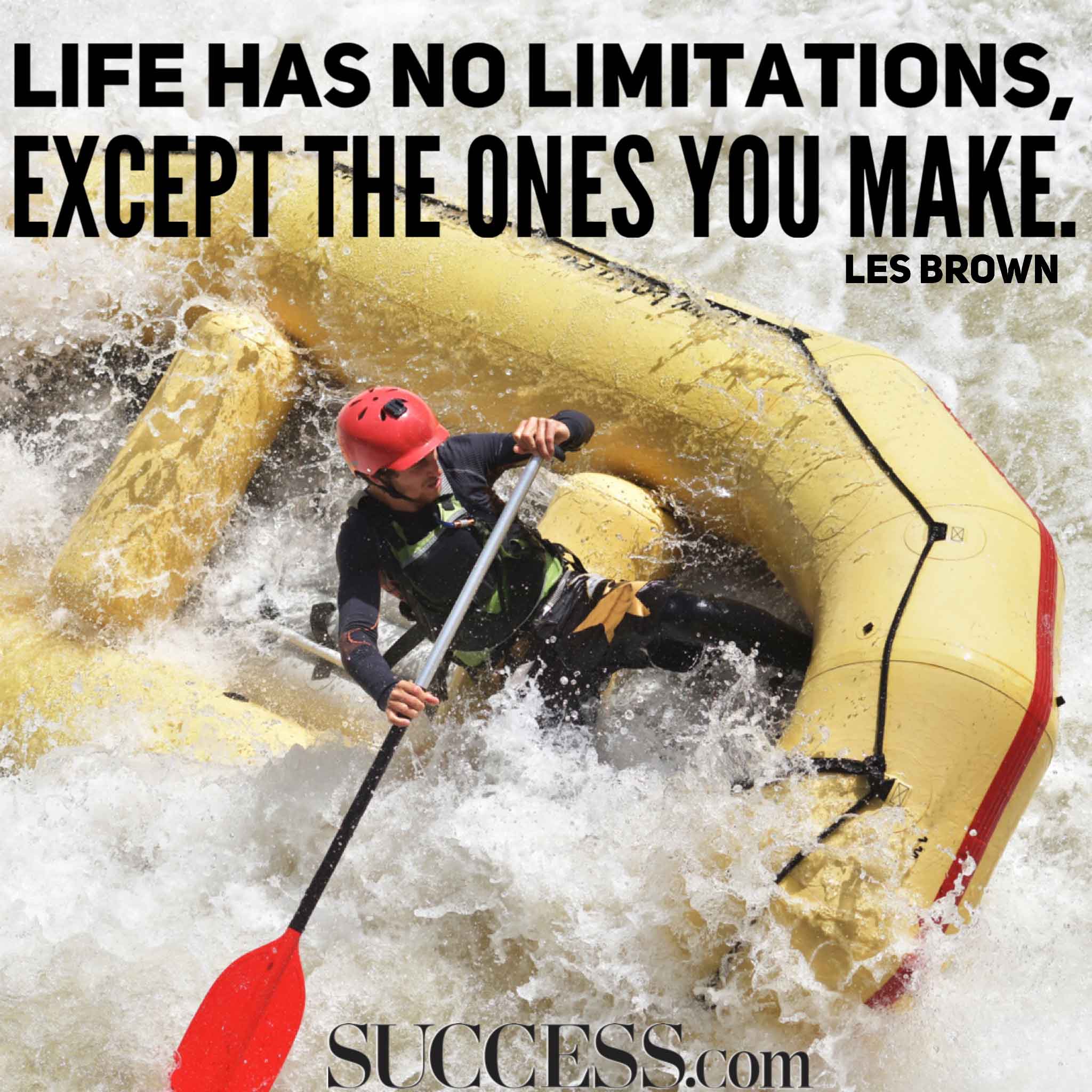
Doubt is merely a compass pointed the wrong way. “Your talent is your access pass to your limitlessness.” Every so-called skill, strength, or connection you’ve overlooked is actually a key. When you believe you’re not enough, you’re actually questioning the wrong thing—because in most cases, talent is irrelevant. It’s action that creates talent. The same hand that holds a “not possible” sign can flip it upside down and reveal “start here.” Next time you face a challenge, pause and ask: if I’ve succeeded before, what changed? The answer will always be one small choice.
Self-Limiting Beliefs Are Just Stories Waiting to Be Rewritten

What if every reason you’ve used to back down was actually a test? “It’s not the goal that’s hard—it’s the willingness to change before it’s achieved.” Limiting beliefs aren’t fixed; they’re beliefs waiting for one logical flaw to crumble. They need only a single voice in the conversation: the one that says, “I’ve never done this before, but I don’t have to know the whole story to get started.” There’s a freedom in knowing you’re the one who writes the last chapter of your story—and it must be stronger than any doubt that got here before you.
The Mindset That Turns “I Didn’t Try” Into “I Am Not a Maybe”

Here’s a radical idea: what if you were already halfway there? You keep planning the trip that will never begin because “I need everything perfect first.” Spoiler: it’ll never happen. “You’ll never be ready, so you might as well start.” The person who succeeds does the opposite of waiting. They say things forward, take steps backward if they must, and never confuse “not yet” with “impossible.” The real difference between those who achieve and those who just dream is that success isn’t a gift—it’s a relentless choice to believe you’re capable of creating more than you’ve imagined.
The next time your self-doubt rises up like an argument from your past, hand it a bookmark—one that holds these nine quotes as your antidote. Change begins the moment you refuse to accept “I can’t” as the final answer, and replace it with a question: “What happens if I try?” The best news? It’s unlikely anything will go quite as your doubts predicted. So here’s to rewriting them—one word at a time.

