W.E.B. Du Bois, a towering figure in African American history and sociology, famously introduced the concept of “double consciousness”—a profound sense of self-awareness and identity shaped by living in a society that views one through a conflicted lens. This notion captures the complex internal struggle of African Americans as they navigate their dual identity: seeing themselves through their own eyes and through the often prejudiced eyes of others. Below, we explore 10 powerful quotes by Du Bois that shed light on this fascinating but challenging experience.
The Peculiar Sensation of Double Consciousness
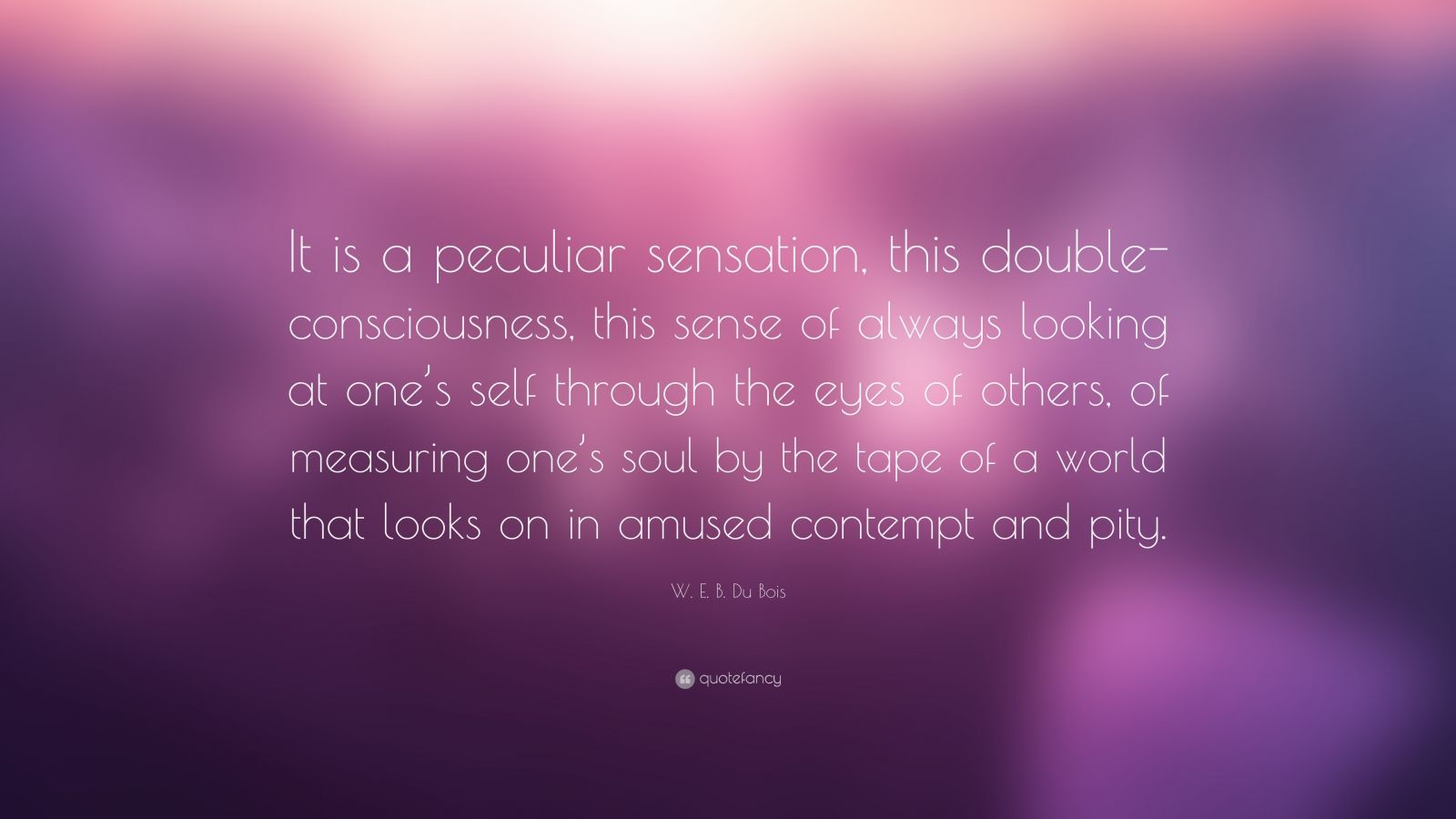
Du Bois describes double consciousness as “a peculiar sensation” that uniquely defines the African American experience. It is a feeling of always looking at oneself through the eyes of a society that often refuses acceptance. This tension is not merely a social observation but a deep psychological reality, influencing identity and belonging.
Understanding Double Consciousness Through Personal Stories
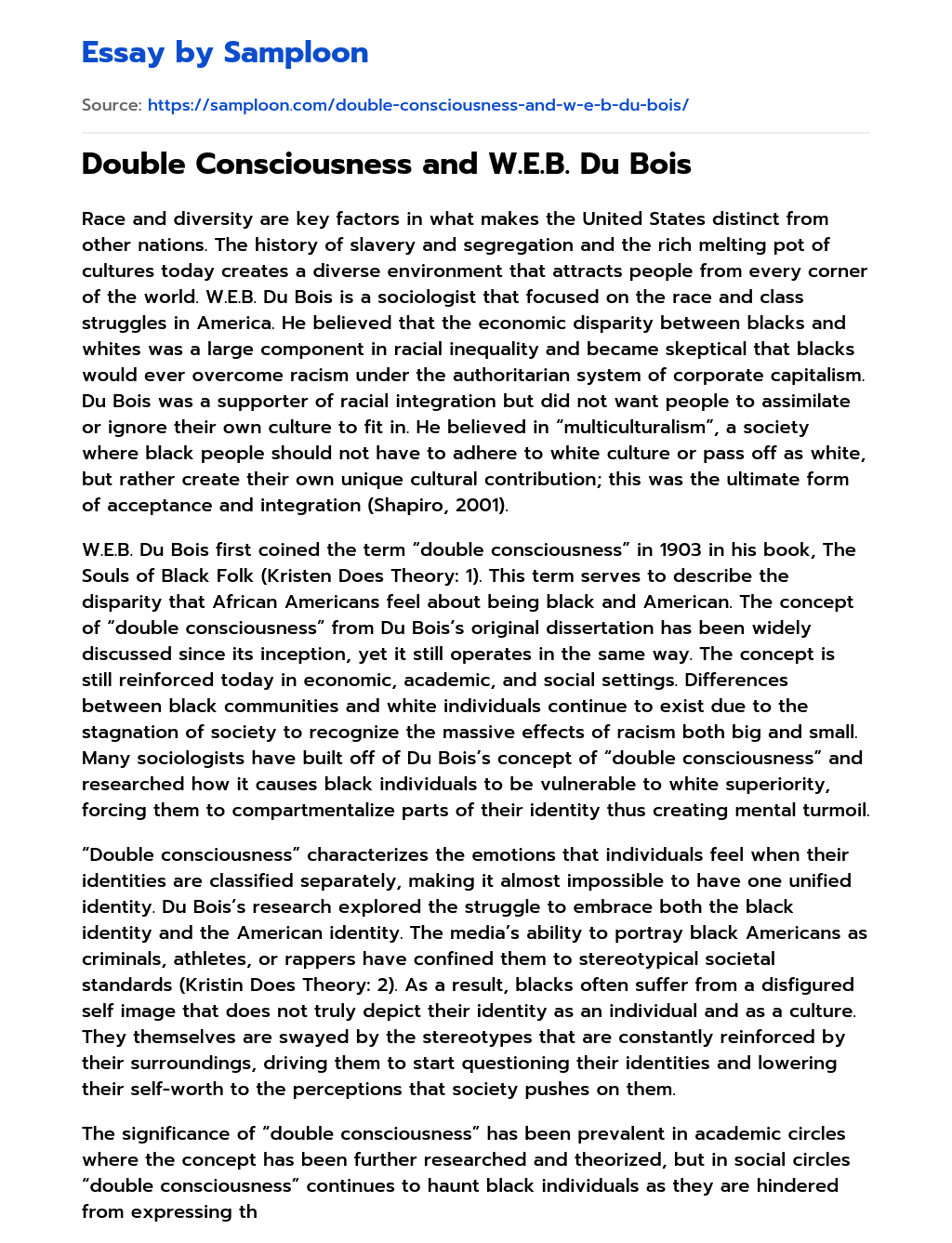
Diving into personal narratives allows a clearer understanding of double consciousness. Du Bois’s reflections encourage us to recognize that this experience transcends mere awareness—it is an ongoing battle between external perception and internal pride, deeply rooted in history and culture.
Living Within a Veil: The Struggle for Identity
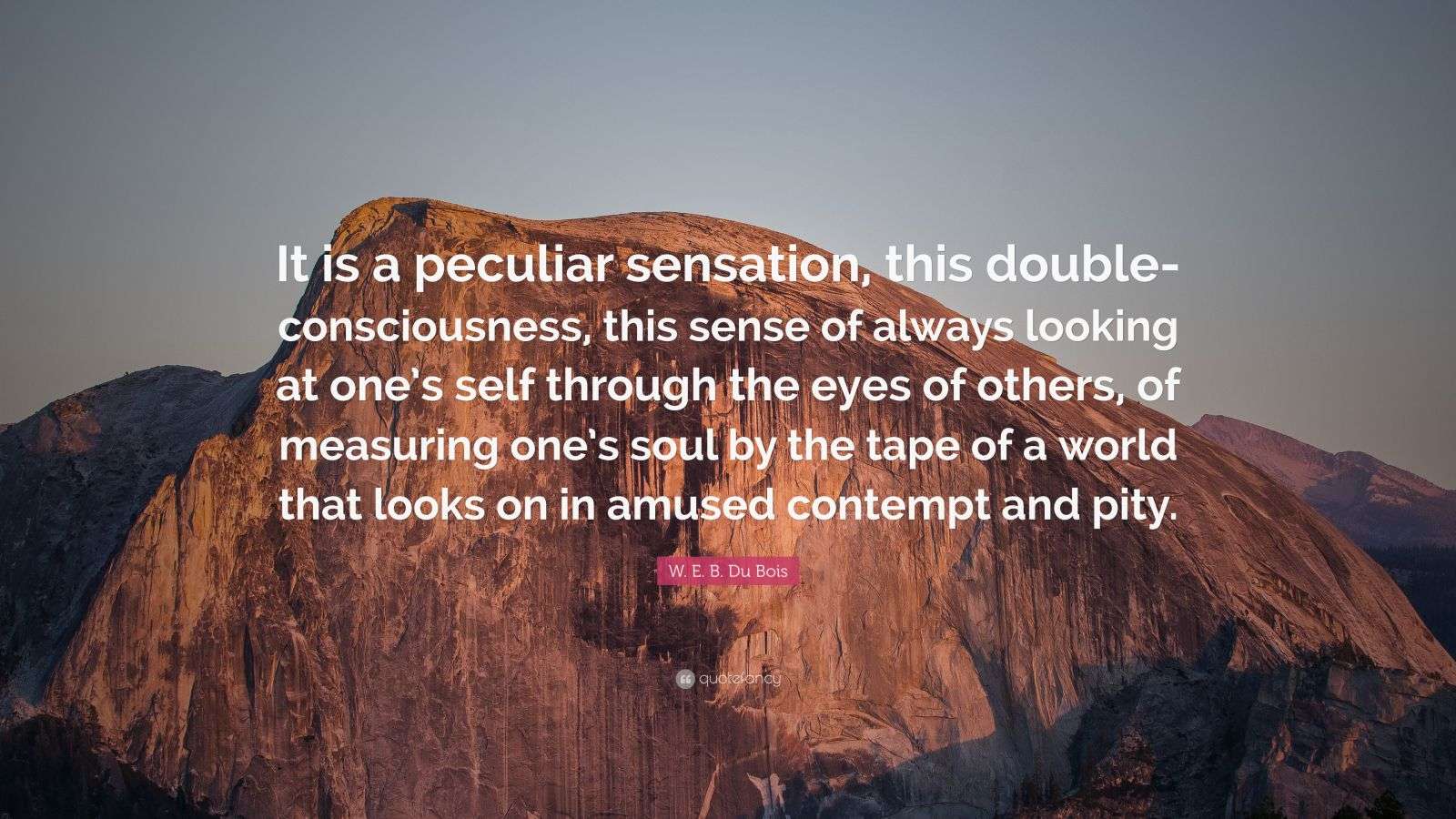
Double consciousness places African Americans “within a veil” of invisibility and misunderstanding. This veil separates the true self from the dominant public’s perception, creating a persistent divide that Du Bois highlights as both a challenge and a source of inner strength for those who live it.
Wrestling With Two Souls, Two Thoughts

Du Bois poetically speaks of “two souls, two thoughts, two unreconciled strivings” within African Americans. This duality is not a mere metaphor but a lived experience, capturing the mental and emotional complexities born from being both American and Black in an often hostile environment.
The Power of Self-Reflection in the Double Consciousness Concept
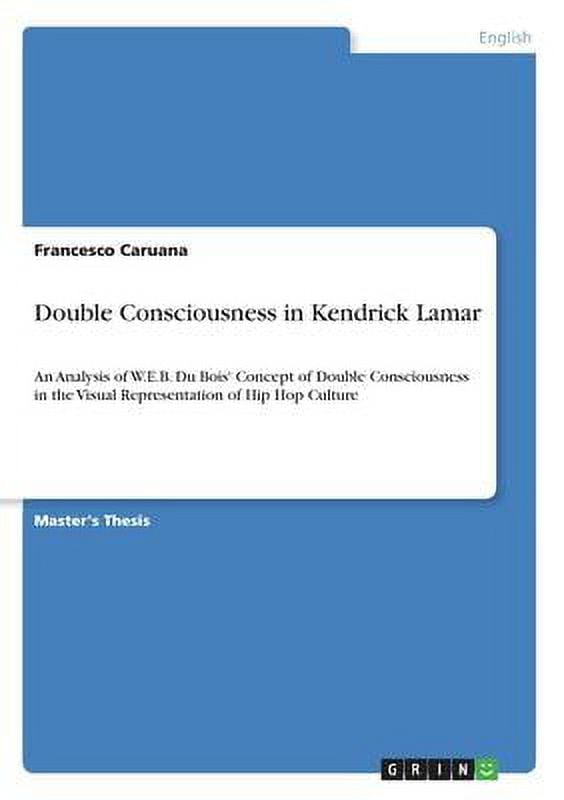
This concept not only applies to historical and academic contexts but resonates in contemporary culture, such as in Kendrick Lamar’s music. Du Bois’s exploration prompts deep self-reflection, encouraging a dialogue between the past and present, self and society, pride and pain.
A Call for Recognition and Equality
Du Bois’s insights spotlight the urgent need for society to recognize the full humanity of African Americans. Double consciousness compels a call beyond tolerance toward genuine equality, questioning the structures that force one to live with divided perception.
The Duality as a Source of Strength
While double consciousness reveals a painful division, Du Bois also hints at its potential as a source of resilience and creativity. The ability to navigate and negotiate two worlds sharpens insight and fosters a unique cultural strength vital to social progress.
Impact on Identity Formation
Du Bois’s reflections unravel how double consciousness shapes not only individual identity but collective cultural identity. Understanding this duality is essential in appreciating the depth of Black experiences and the complexities of self-definition in a racially divided society.
Historical Roots and Continued Relevance
The historical context of double consciousness remains crucial. Du Bois ties this phenomenon to the legacy of slavery and systemic oppression, demonstrating why it persists. Recognizing its roots helps frame present-day struggles for justice in a broader, transformative narrative.
Conclusion: Toward Unity and Understanding
Ultimately, Du Bois’s exploration of double consciousness challenges us to transcend superficial views and engage deeply with the multifaceted realities of identity. It’s a call for empathy, a deeper understanding that encourages unity without erasing difference, and a recognition of the ongoing journey toward self-realization and societal acceptance.