


T.S. Eliot’s The Waste Land is a tapestry woven with the threads of apocalypse and fragmentation, a poetic exploration of a world irrevocably altered and splintered. Through haunting metaphors and vivid imagery, Eliot captures the disintegration of meaning and the persistent yearning for restoration amid chaos. Below, we delve into ten evocative quotes from The Waste Land that encapsulate this visionary landscape, reflecting the fractured modern existence and the elusive nature of renewal.
The Whisper of an Ending: “This is the way the world ends— / Not with a bang but a whimper.”
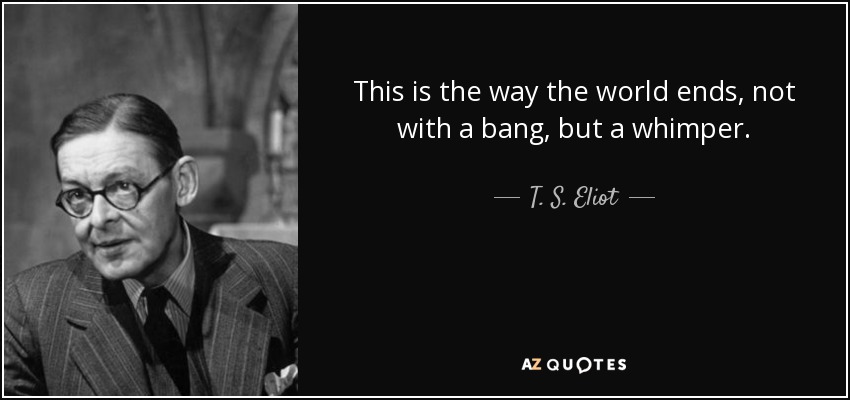
This iconic closing line evokes a subdued apocalypse, one stripped of dramatic destruction. Instead, it is the quiet dissolution, the fading breath of a world worn thin, that marks the inevitable end. The “whimper” resonates as a metaphor for spiritual exhaustion and cultural decay—subtle yet profound.
Fragments of a Shattered Reality: “These fragments I have shored against my ruins.”
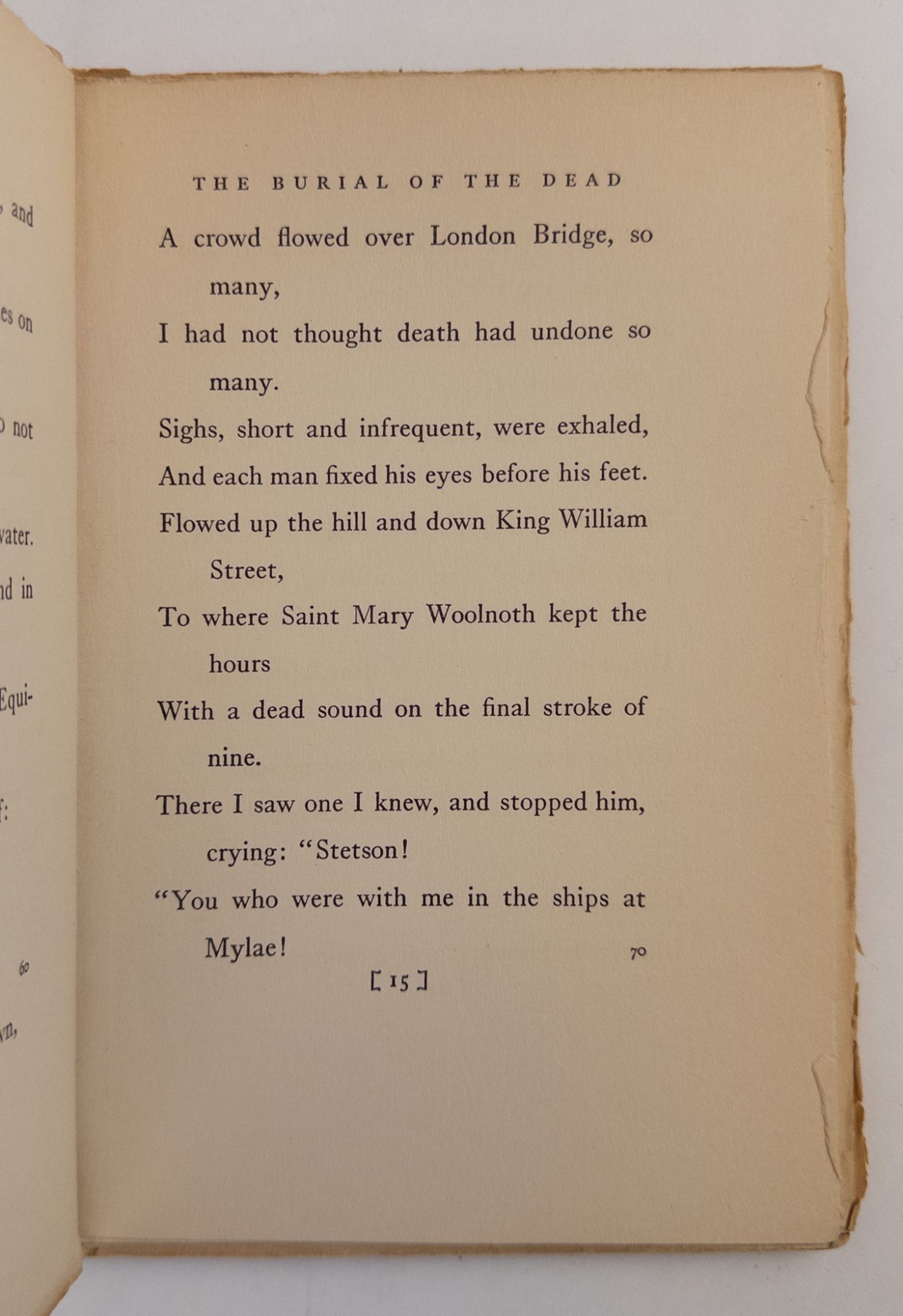
Here, fragments are not merely broken pieces but protective talismans, assembled to stave off collapse. This metaphor reflects the human impulse to salvage meaning from chaos, constructing fragile defenses from scattered remnants of civilization and selfhood.
The Dual Nature of Time: “April is the cruellest month, breeding / Lilacs out of the dead land.”
Contrary to traditional springtime symbolism, April here is harsh and ironic, birthing life from lifelessness. This metaphor captures both the hope and torment of renewal—growth intertwined inseparably with decay, a hallmark of the apocalyptic vision.
Voices in the Wilderness: “A heap of broken images, where the sun beats.”

The “heap of broken images” is a striking metaphor for the cultural and spiritual wreckage that dominates the poem’s landscape. Under the merciless sun, these shattered visions offer a bleak panorama of disjointed modernity, forcing readers to confront fragments rather than wholes.
Echoes of Past Civilizations: “Unreal City / Under the brown fog of a winter noon.”

The “Unreal City” pulses as a metaphor for the spectral remnants of ancient worlds overshadowed by post-war desolation. Cloaked in fog, this city becomes a liminal space where history’s grandeur meets modern disillusionment, emphasizing fragmentation across epochs.
The Futility of Ritual: “Here is no water but only rock / Rock and no water and the sandy road.”
This desolate landscape symbolizes spiritual barrenness—a parched wasteland where life-giving water is absent. The metaphor underscores the futility of hollow rituals that fail to nourish the soul, a testament to the collapse of meaning and connection.
Myth and Modernity Collide: “I will show you fear in a handful of dust.”
This provocative line reduces terror to dust grains, suggesting the reduction of existential dread to tangible, almost banal, elements. Yet the metaphor simultaneously invokes the mythic and modern, crystallizing fear in a simple, yet unsettling, image of disintegration.
The Fragmented Self: “You! hypocrite lecteur!—mon semblable,—mon frère!”
Addressing the reader as both “hypocrite” and “fellow,” this direct apostrophe shatters the barrier between poet and audience. It reflects the fractured self and the fractured world, revealing the shared complicity and isolation within the modern apocalypse.
Lingering Despair: “Who is the third who walks always beside you?”
This enigmatic question hints at unseen forces or internal divisions that haunt human existence. The metaphor evokes the perpetual alienation and surveillance of the self, underscoring the apocalyptic theme of fractured identity and discord.
Cycle of Death and Renewal: “I Tiresias, though blind, throbbing between two lives.”
Invoking Tiresias—the blind prophet caught between genders and states of being—Eliot encapsulates the tensions of duality, insight, and liminal existence. The metaphor highlights the fragmentary nature of knowledge and the suspended state of humanity between destruction and hope.
