Mary Oliver’s poetry captivates readers with its profound reflections on nature, life, and mortality. Among her many celebrated works, “Wild Geese” stands out as a powerful meditation on belonging, freedom, and the human spirit in the face of life’s trials. Coupled with her nuanced exploration of death, Oliver’s poems invite us to contemplate our place in the world with compassion and clarity. Here, we explore ten memorable quotes from her poems related to wild geese and death, each illuminating different facets of existence through vivid imagery and heartfelt insight.
The Call of the Wild Geese: A Reminder to Keep Going
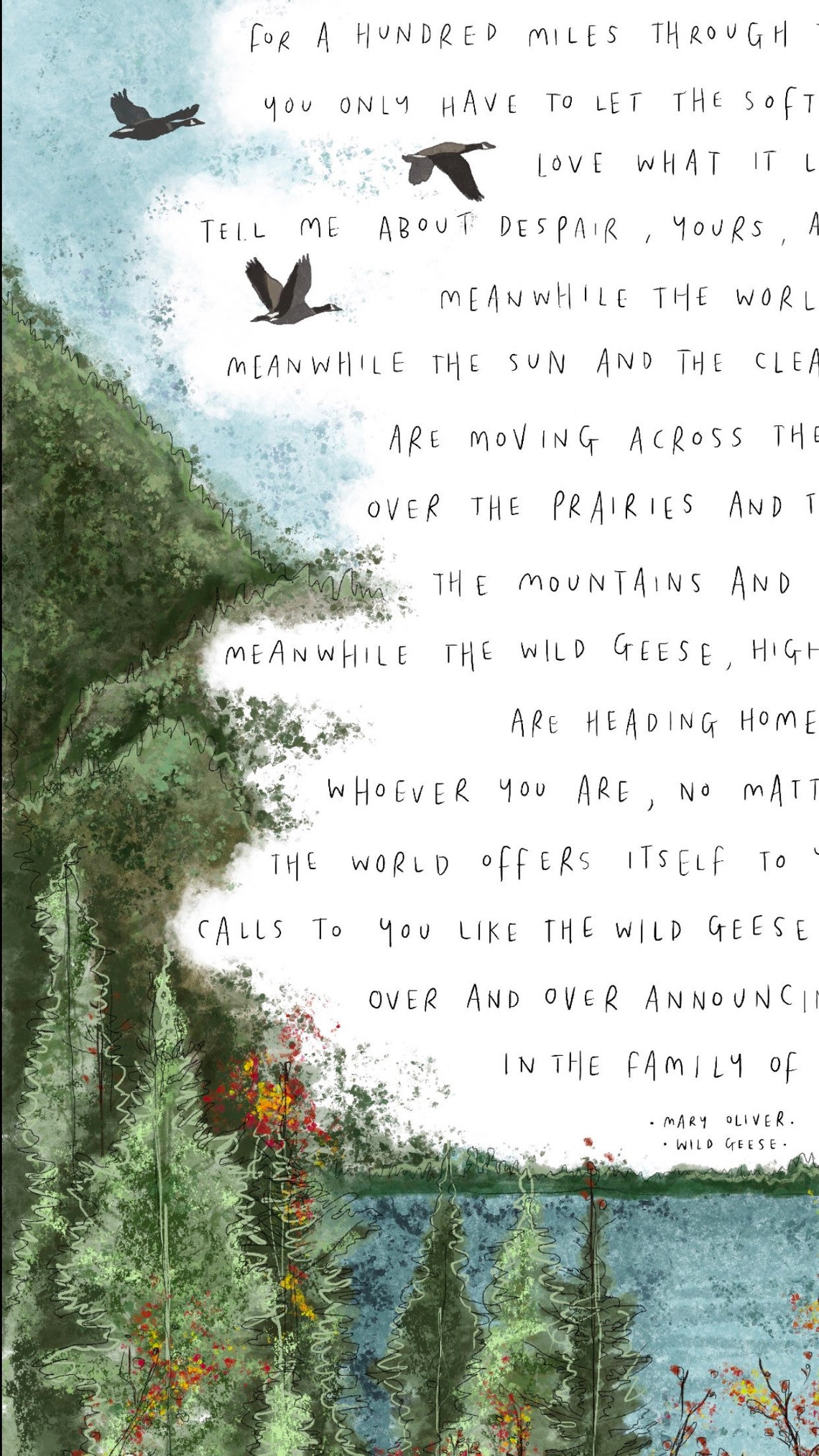

“You do not have to be good. You do not have to walk on your knees for a hundred miles through the desert, repenting.” This line from “Wild Geese” breaks down the barriers of self-judgment, reminding us that life grants us permission to simply exist and be at peace with ourselves. It conveys a gentle invitation to breathe freely amidst the chaos.
Letting Go and Joining the Flow of Life
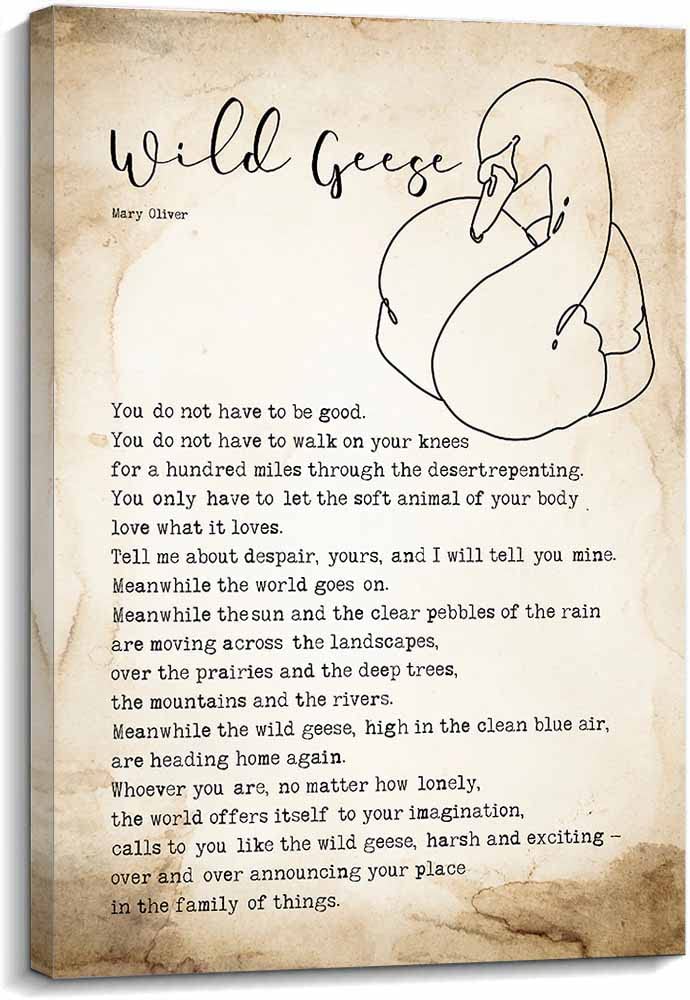
“Whoever you are, no matter how lonely, the world offers itself to your imagination.” This reassurance nurtures hope and creativity, encouraging us to embrace the world’s vastness even when facing solitude or loss. It reflects Oliver’s faith in life’s continuity despite hardship.
Wild Geese Flying: A Symbol of Freedom and Renewal

“Meanwhile the wild geese, high in the clean blue air, are heading home again.” This iconic image evokes the natural cycle of departure and return, highlighting the assurance of renewal. The flight of the geese reminds us that after loss or endings, new beginnings are always possible.
Self-Love in the Face of Mortality

“Tell me about despair, yours, and I will tell you mine.” This invitation to share vulnerability underscores the compassion that can arise from confronting death and grief. Oliver cultivates a space where pain is shared, and healing begins through connection and self-acceptance.
Embracing Imperfection: Quotes That Comfort
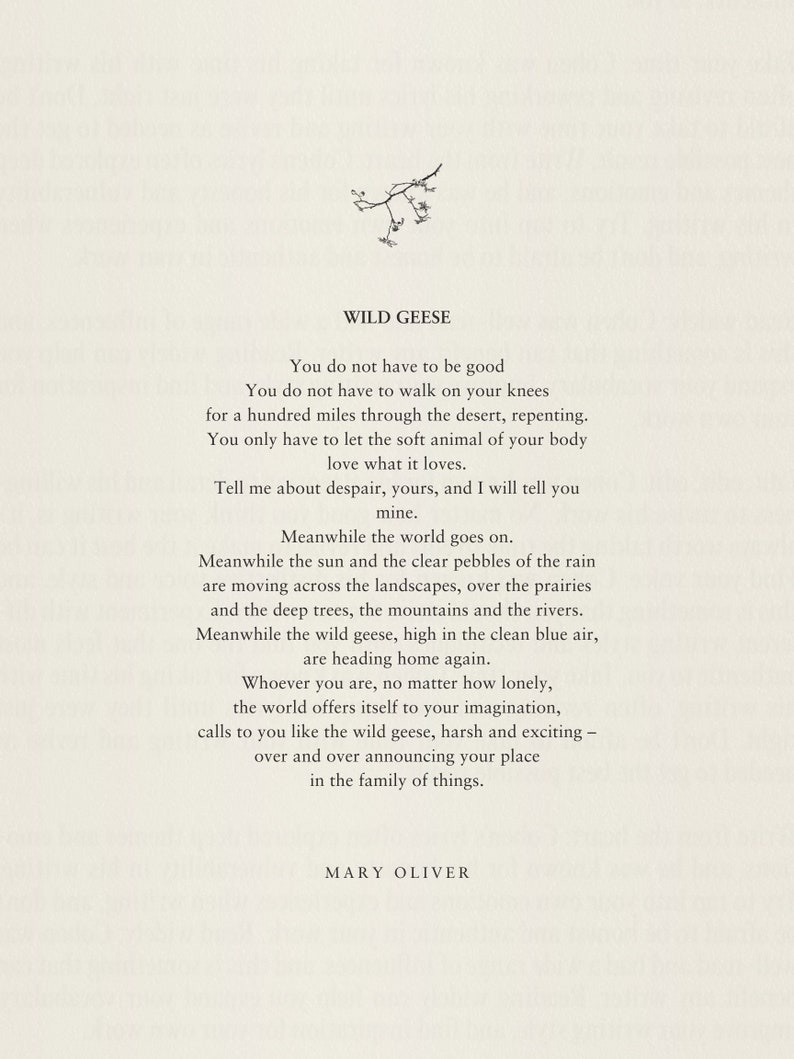
“You only have to let the soft animal of your body love what it loves.” This tender line calls us to embrace our instincts and desires with kindness, a vital lesson when dealing with the uncertainty of mortality. It invites us to find solace in the natural urges of the living body and spirit.
The Embrace of Nature as an Antidote to Death
“Hope is the thing with feathers that perches in the soul.” While not from “Wild Geese” directly, Oliver’s imagery often aligns with this idea, depicting nature as a gentle force that uplifts the spirit and offers solace during times of loss. Her poems encourage us to seek comfort in natural beauty when confronted with the fragility of life.
The Persistent Presence of Life Amidst Death
“Doesn’t everything die at last, and too soon? Tell me, what is it you plan to do with your one wild and precious life?” This challenge from her poem “The Summer Day” pairs seamlessly with the “Wild Geese” themes, urging mindfulness and boldness in a world shadowed by mortality. Oliver’s poetry inspires us to live deliberately and fully.
Wild Geese as Emissaries of Wisdom
“Let them go, the past, the hours gone by, the unsatisfactory years.” The act of releasing past grievances and regrets, as seen through the flying geese metaphor, teaches us the importance of moving forward, especially when confronted by the inevitability of death, highlighting forgiveness and renewal.
Death as a Natural Continuum
“When death comes like the hungry bear in autumn; when death comes and takes all the bright coins from his purse.” Oliver does not shy away from confronting death, treating it as a natural phase of existence rather than an end to fear. This acknowledgment helps readers reframe death within the larger tapestry of life.
Finding Peace in the Wild Geese’s Journey
Ultimately, Mary Oliver’s poems about wild geese and death offer us reassurance and guidance. They remind us that despite our struggles, we remain part of a vast, interconnected world. The wild geese’s steady flight across the sky serves as a metaphor for resilience and hope, urging us to continue our own journeys with courage and grace.