Exploring the complexities of human sexuality has long fascinated scholars, thinkers, and everyday people alike. Michel Foucault’s The History of Sexuality Vol. 1 dives into the intricate ways society, power, and knowledge intersect with our understanding of sexuality. This collection of quotes highlights some key reflections that not only shed light on historical and cultural perspectives but also invite us to question and rethink the ways sexuality shapes our lives and identities.
The Power Dynamics in Sexuality
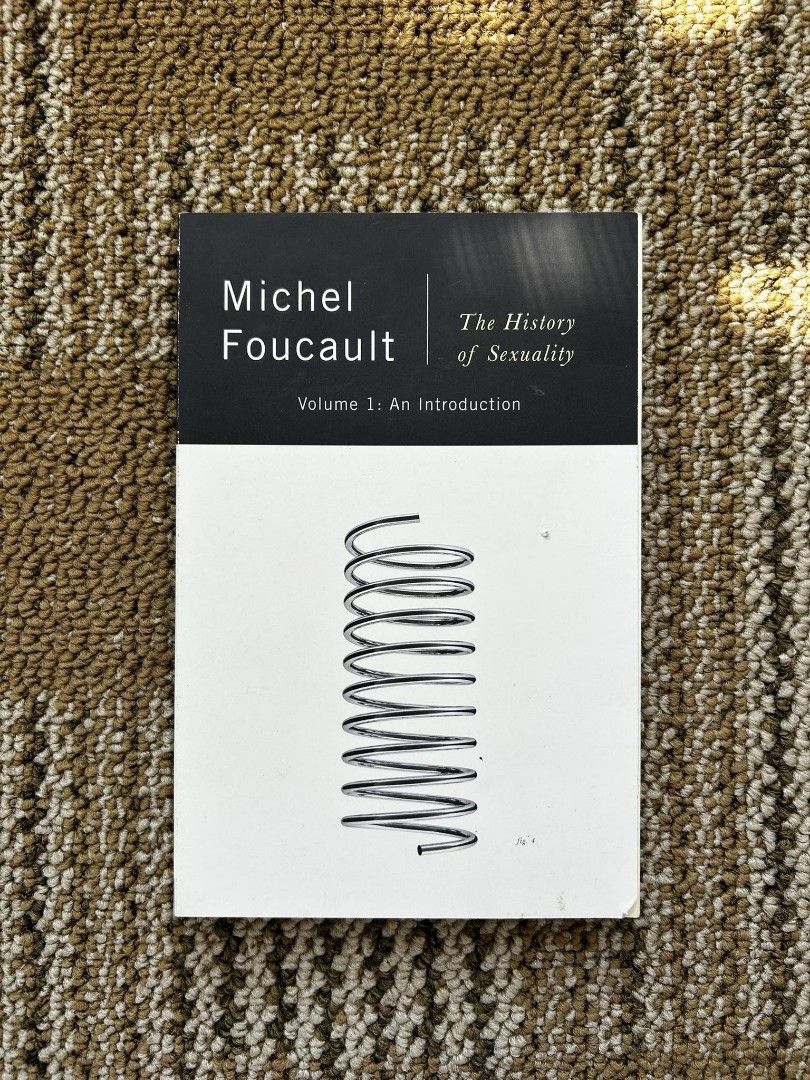
Foucault challenges the traditional view that sexuality is solely a repressed aspect of human experience. Instead, he reveals how sexuality functions within systems of power and discourse, influencing both public norms and private desires. This quote reminds us that sexuality is not just personal but deeply political and social in nature.
Sexuality as a Constructed Concept
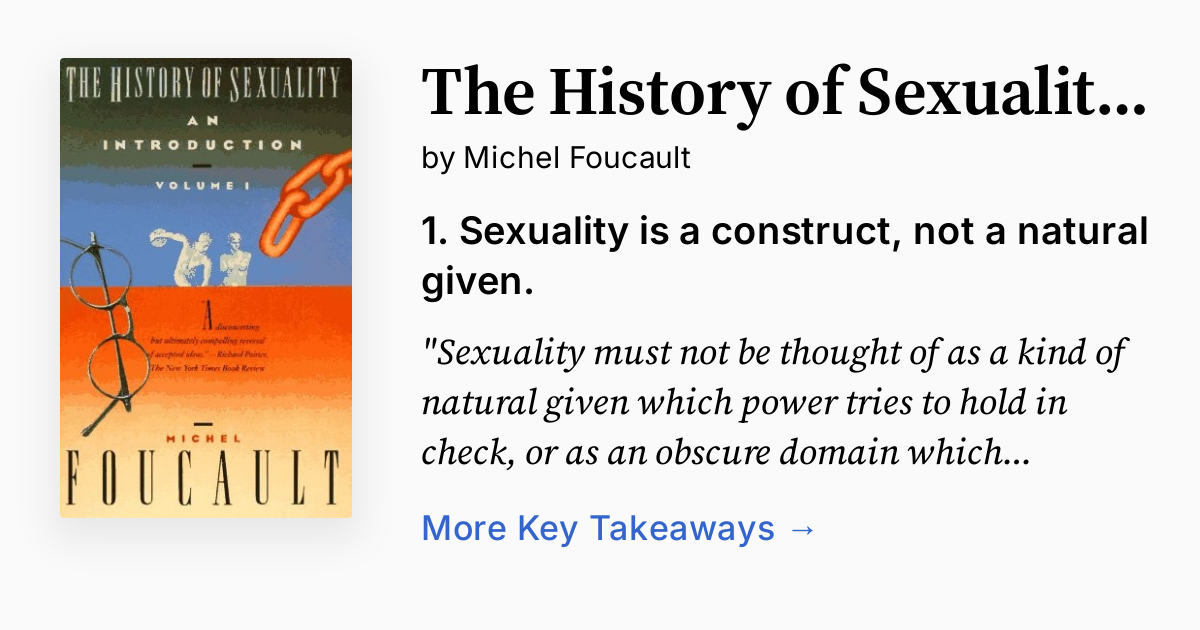
The idea that sexuality is a product of historical and social forces rather than an innate natural drive compels readers to reconsider fixed ideas about sexual identity and behavior. Foucault exposes how the categories and labels around sexuality are fluid and often tools used by institutions to regulate individuals.
Challenging the ‘Repression Hypothesis’

One of Foucault’s boldest assertions is his rejection of the “repression hypothesis,” the belief that sexuality has been historically suppressed. Instead, he argues that discourse about sexuality actually proliferated under the guise of control, creating new forms of knowledge and social norms. This shift in perspective unlocks new ways of examining sexual expression and liberation.
Uncovering Hidden Histories Through Sexuality
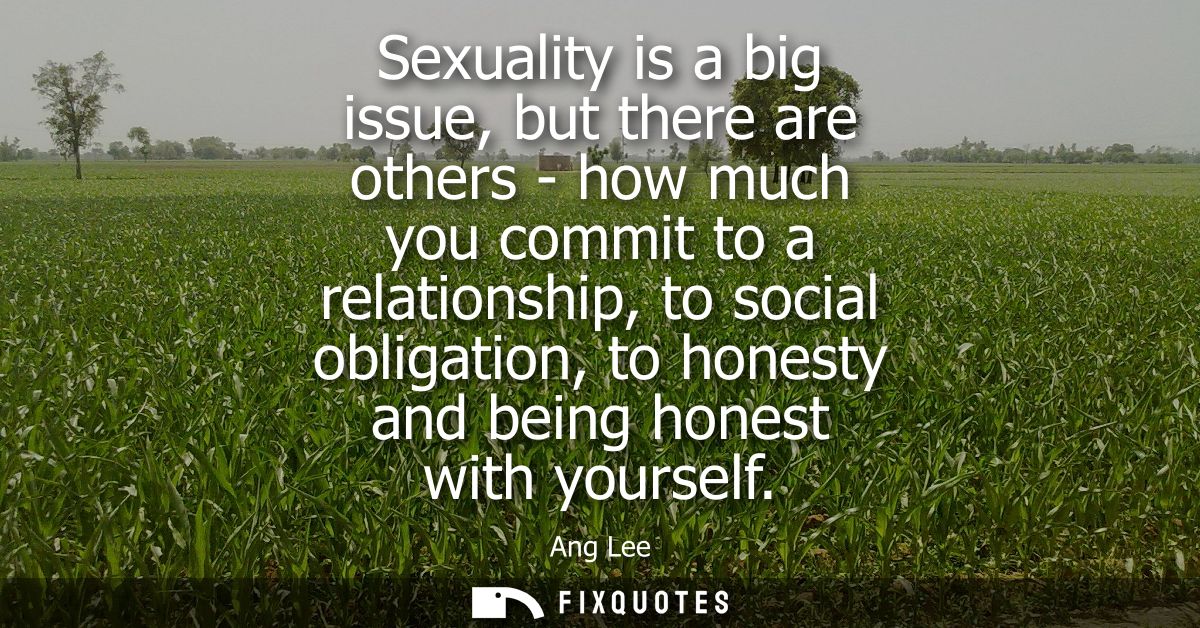
Foucault’s work illuminates how the history of sexuality is intertwined with broader societal developments, power struggles, and cultural narratives. Sexuality becomes a lens through which we can view not just personal identities but global histories, politics, and social transformations, highlighting its undeniable impact beyond individual lives.
The Role of Confession and Truth

One of the fascinating aspects Foucault explores is how confession – traditionally a religious practice – has transformed into a vehicle for constructing “truths” about sexuality. This process reveals how knowledge about sex is produced and controlled, intertwining personal admissions with societal expectations and surveillance.
Michel Foucault’s The History of Sexuality Vol. 1 offers profound insights that challenge and complicate our understanding of what sexuality means and how it functions throughout history. These quotes are windows into a broader narrative, showing that our fascination with sexuality is not just about desire but about the underlying structures that shape human experience in profound ways.