The story of Jean-Dominique Bauby, author of The Diving Bell and the Butterfly, captivates readers around the world with its poignant glimpse into living with locked-in syndrome. This rare condition leaves a person fully conscious but unable to move or communicate verbally due to complete paralysis of nearly all voluntary muscles. Bauby’s memoir not only reveals the harsh reality of this locked-in existence but also illuminates the resilience of the human spirit. Below are 10 quotes from his remarkable work that highlight key insights about locked-in syndrome and why it continues to fascinate our collective imagination.
A Window Into Confinement and Freedom

“I can only blink my left eye.” This simple but profound reality Bauby faced sets the stage for an existence that is physically trapped but mentally vivid. The image of the diving bell closing around him contrasts sharply with the butterfly’s flight – a metaphor for the mind’s ability to soar beyond physical limitations.
The Paradox of Isolation
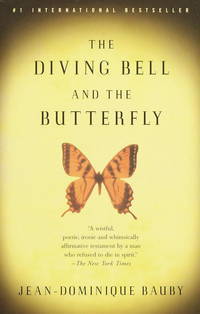
Bauby’s words emphasize how isolation in locked-in syndrome is a paradox—“Behind the gate of flesh there’s a glimmer of light.” Despite complete immobility, the mind remains alive, alert, and creative, suggesting a depth of internal experience often inaccessible to others.
Silence Speaks Volumes
“How deeply the silence sings.” In locked-in syndrome, silence isn’t just the absence of sound; it becomes a language of its own. Bauby invites readers to listen closely to what remains unspoken, revealing that communication can transcend words.
The Fragility of the Human Condition
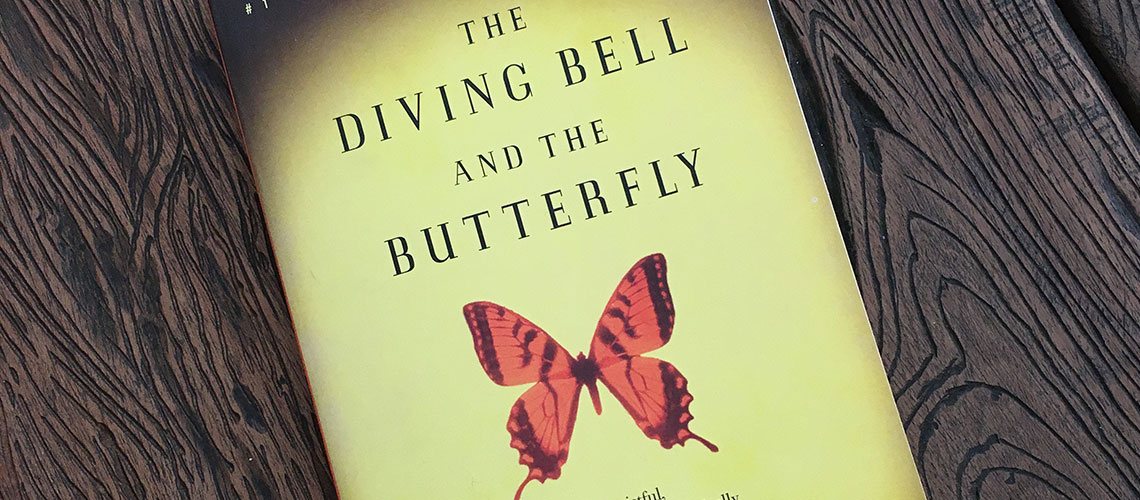
Bauby reflects, “Our life no longer depends on our decisions but on a single blink.” This fragile dependency encapsulates the vulnerability experienced by locked-in patients, highlighting the fine line between life and helplessness.
The Triumph of Imagination

One of the most captivating aspects of Bauby’s memoir is the power of imagination to escape physical bonds. “I am free to dance in the mind’s vast ballroom.” His spirit refuses to be confined, illustrating why locked-in syndrome paradoxically invites a deeper fascination with human resilience.