


The Qur’an, as translated by Muhammad Abdel Haleem, offers profound insights into the themes of mercy and justice—two foundational concepts that resonate deeply within Islamic teachings. The verses selected provide guidance on how compassion should guide human interactions and how fairness is essential for societal harmony. Here are 10 inspiring quotes from the Qur’an that reflect these timeless values, paired with evocative images to enhance understanding and reflection.
Divine Mercy as the Ultimate Compassion
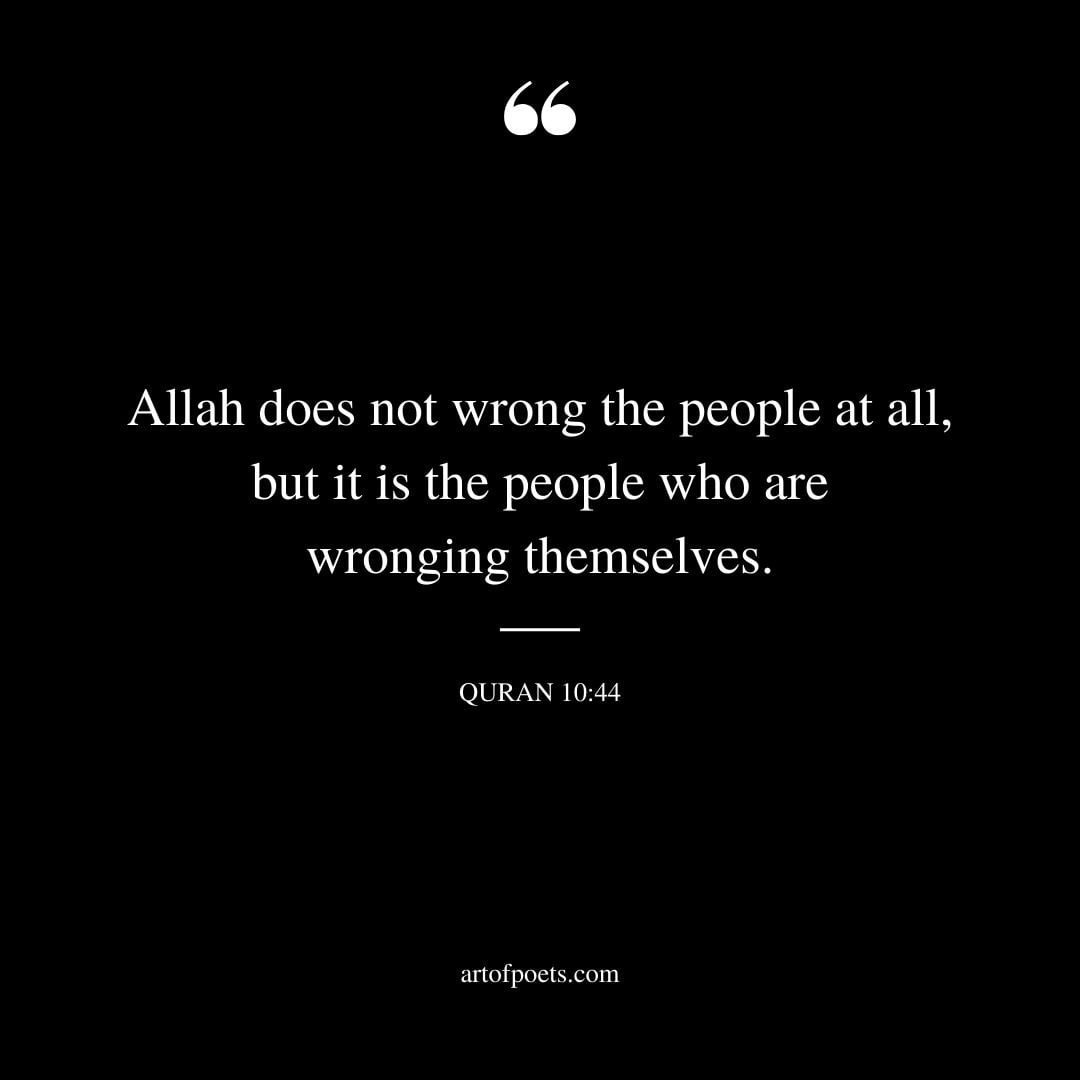
“Allah does not wrong the people at all, but it is the people who are wronging themselves.” This verse highlights the compassion of Allah by clarifying that injustice is never from the Divine, but rather from human actions. It reminds us of personal accountability within a just framework.
Justice as the Foundation of Society

Justice is repeatedly emphasized as necessary for a balanced world. The Qur’an teaches that fairness in judgment and behavior must prevail to ensure peace, reflecting deep moral and social responsibility.
Contextualizing Mercy in Everyday Life
Mercy is not abstract but practical, encouraging believers to show kindness in daily interactions. Abdel Haleem’s translation brings context to these verses, making the message accessible for contemporary readers focusing on empathy and tolerance.
Mercy as a Trait of the Beloved Messenger

The Prophet Muhammad is described as the “Messenger of Mercy,” exemplifying how divine mercy manifests through human character. His life is a model of compassionate justice, reinforcing the idea that mercy is both a divine attribute and a human responsibility.
Forgiveness Rooted in Divine Justice

The Qur’an teaches forgiveness as a balance between justice and mercy. Believers are urged to forgive others generously while recognizing the rightful consequences of actions, promoting healing and reconciliation in society.
Balancing Mercy and Justice
One of the remarkable features of the Qur’anic message as translated by Abdel Haleem is how mercy and justice are not opposing forces but complementary ones. Justice without mercy is harsh, and mercy without justice may be unjust. The balance reflects a holistic view of divine and human ethics.
Encouragement to Act Justly in All Matters
Believers are encouraged to uphold justice in all aspects of life, whether in personal affairs or public dealings. This call to fairness ensures that mercy is not arbitrarily applied but grounded in principled action.
The Promise of Divine Reward for Justice
The Qur’an promises divine favor and ultimate reward for those who act with justice and mercy. This assurance is a motivator for ethical conduct and patience in the face of trials.
Mercy as Protection From Divine Wrath
Mercy is portrayed as a shield against punishment, underscoring the importance of empathy and forgiveness not only toward others but as a spiritual safeguard.
Guiding Communities Toward Compassionate Justice
Finally, the Qur’an envisions communities built on mercy and justice where peace and harmony prevail. This vision encourages collective responsibility and the pursuit of a just society aligned with Divine will.
