Friedrich Nietzsche’s On the Genealogy of Morals is more than a philosophical treatise; it is a profound exploration into the deep currents of human psychology, morality, and power. Central to this work is the concept of ressentiment, a feeling of profound resentment and envy that shapes moral values and social dynamics. Here, we dive into 10 illuminating quotes from this masterpiece, each reflecting Nietzsche’s groundbreaking insights into ressentiment and the way it molds our understanding of justice, revenge, and self-perception.
The Genesis of Ressentiment and Morality

Nietzsche begins by challenging the origin of traditional moral values, revealing how ressentiment fuels what he calls “slave morality.” This morality arises not from strength or nobility but from the oppressed’s veiled vengeance, reshaping good and evil based on envy and powerlessness.
Ressentiment as a Hidden Force in Justice

Justice, often viewed as impartial and righteous, is here exposed as sometimes rooted in ressentiment. Nietzsche suggests that what societies call justice could be a mask for the suppressed desire for revenge against those who hold power.
History vs. Genealogy: Remembering Ressentiment
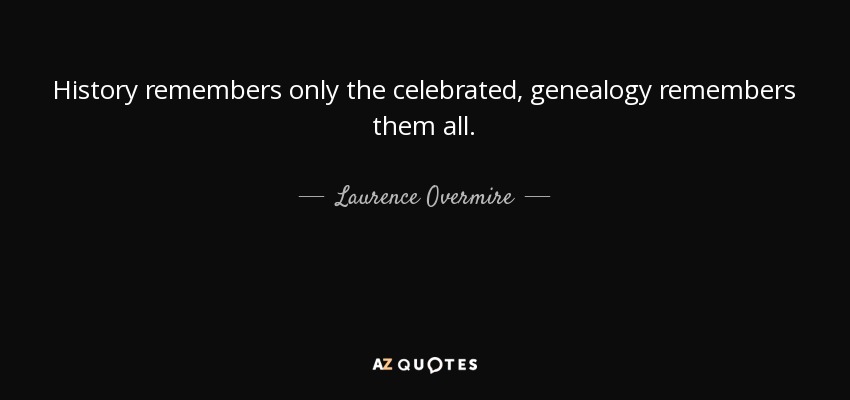
The difference between history and genealogy sheds light on ressentiment’s role in shaping values. Whereas history often remembers the victors, genealogy reveals the silent undercurrents, including ressentiment, that influence collective memory and morals.
Understanding Ressentiment Through Psychology

Nietzsche’s deep dive into human psychology uncovers ressentiment as a psychological response to impotence and frustration. It is not merely negative feeling but a creative force that leads to the inversion of values and justice as revenge.
The Double-Edged Sword of Revenge and Justice

Revenge and justice are intertwined in Nietzsche’s view, with ressentiment driving the desire for repayment that justice systems attempt to regulate. This relationship challenges us to rethink justice not as pure fairness but as a product of power struggles rooted in envy.