


Have you ever stopped to think about how much our emotions shape the way we see the world and ourselves? Martha Nussbaum, a renowned philosopher, dives deep into the emotional fabric of human life, challenging us to reconsider how feelings influence our thoughts, actions, and relationships. But can understanding these emotions truly transform us, or do they merely expose our vulnerabilities? Let’s explore 10 captivating quotes from Nussbaum that illuminate the powerful role emotions play in our lives.
Embracing Emotional Complexity

“I don’t waste time despising people.” This simple yet profound reflection invites us to reconsider how we approach negative emotions like hatred or contempt. Instead of succumbing to destructive feelings, Nussbaum challenges us to embrace the complexity of human emotions and choose compassion over disdain. Could this be the key to a more empathetic existence?
Wisdom Through Emotional Insight

“Our emotions are not just irrational forces; they are intelligent responses to the world around us.” Nussbaum urges us to see emotions as a form of wisdom that reveals what matters deeply to us, turning feelings into valuable guides rather than obstacles. Are we ready to listen more closely to what our hearts are telling us?
The Power of Emotional Acceptance
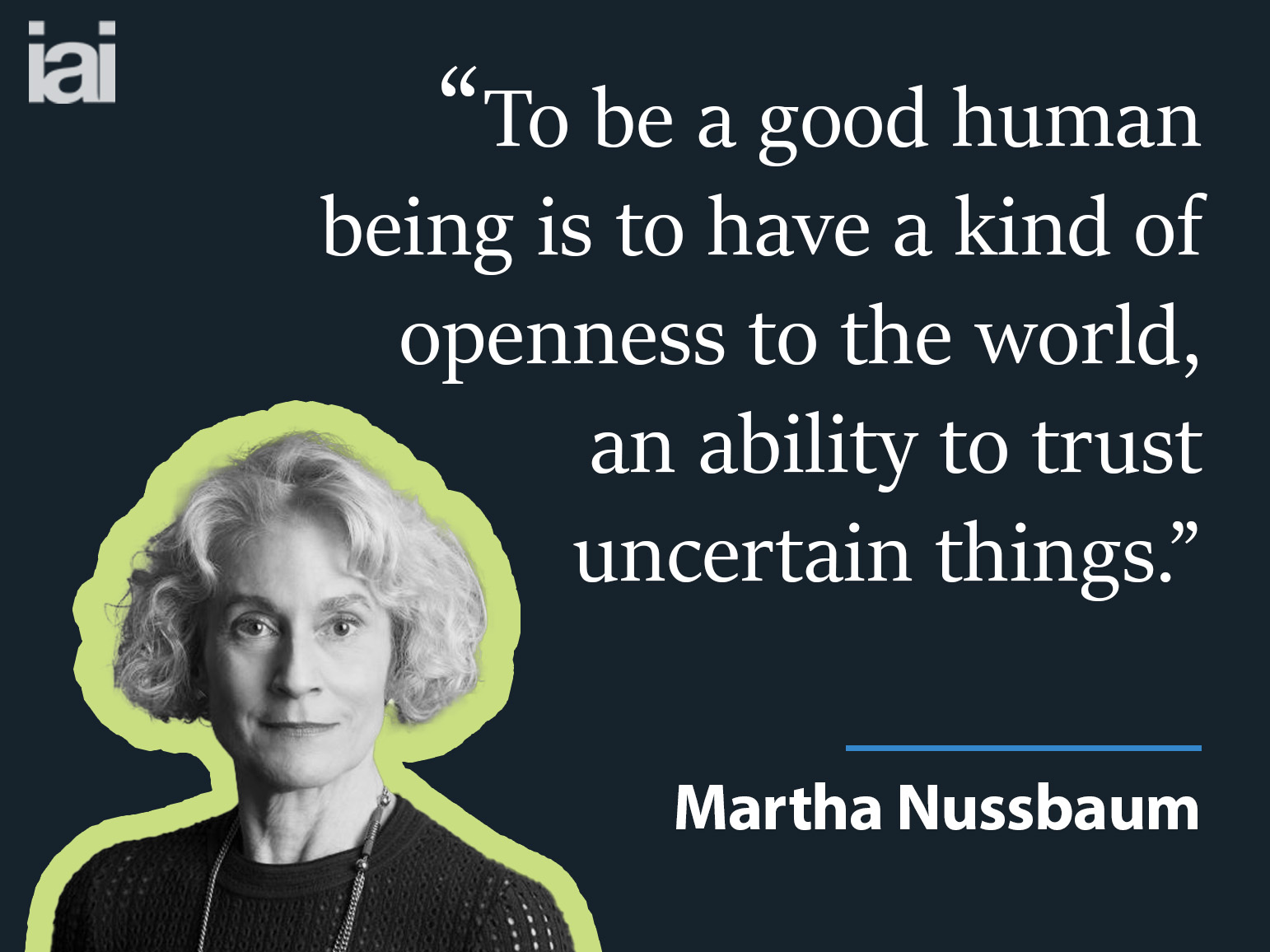
Nussbaum reminds us that “accepting emotions means recognizing their legitimacy.” Instead of fighting or suppressing how we feel, accepting emotional experiences can offer a richer understanding of ourselves and others. Could embracing this honesty be the challenge that leads to personal growth?
Finding Joy in Emotional Expression

Joy is not just a feeling but a celebration of design and beauty in life, as shown in Nussbaum’s love for fashion and aesthetics. She encourages us to see emotional pleasure as a legitimate and enriching part of life’s experience. Could allowing ourselves to enjoy these moments enhance our emotional well-being?
Our Emotional Life Maps Our Incompleteness
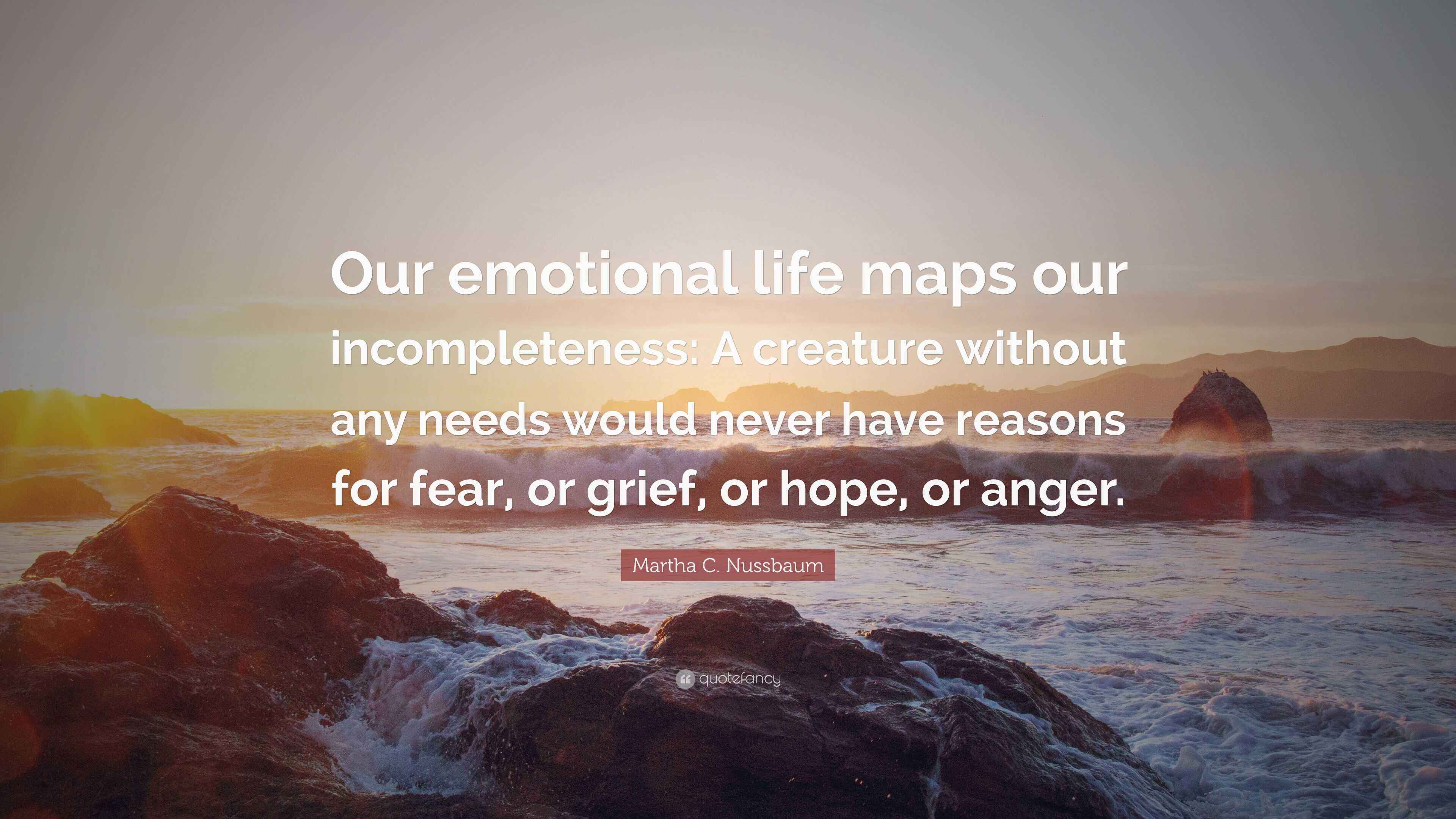
“Our emotional life maps our incompleteness.” This striking idea signifies that emotions expose the parts of us that feel lacking or yearning for connection. Rather than seeing this as weakness, Nussbaum views it as an invitation to grow and connect. Are you prepared to explore the landscape of your emotional gaps?
Emotions as Moral Signals
Martha Nussbaum emphasizes that emotions often signal our deepest values and ethical commitments. When we feel anger or compassion, these emotions are guiding us toward what we believe is just or unjust. What if paying closer attention to these signals could improve our moral decisions?
The Challenge of Emotional Vulnerability
She also highlights that emotions make us vulnerable but in doing so, they also create powerful connections between people. Embracing vulnerability could be uncomfortable, yet it’s what leads to authentic relationships. Are we willing to take that emotional risk?
The Intertwining of Reason and Emotion
Nussbaum argues against the idea that reason and emotion are opposed. Instead, she presents emotions as deeply intertwined with rational thought, shaping our judgments and actions. Could recognizing this unity transform how we understand decision-making?
Emotions and Justice
In her philosophy, emotions play a vital role in the pursuit of justice. Compassion for others’ suffering, indignation at unfairness – these feelings motivate social change. How might acknowledging this emotional drive inspire us to act more justly?
Transforming Emotions Into Strength
Finally, Nussbaum invites us to transform painful emotions into sources of strength and creativity. Instead of being overwhelmed by sorrow or anger, these feelings can fuel resilience and innovation. Can we face our emotional storms head-on and harness their power?
