In the lush canopies of the primate world, morality is not merely a human invention but a timeless dance of empathy, fairness, and social bonds. Frans de Waal, a leading primatologist and ethologist, peels back the layers of human exceptionalism to reveal the sturdy roots of morality embedded deep within our primate cousins. His insights act as illuminating lanterns, casting light on the intricate forest of social ethics that govern animal societies, and by extension, our own. Journey with us through ten compelling quotes from de Waal that weave a vivid tapestry of primate morality—where the invisible threads of kindness and justice hold communities together across species.
The Pillars of Primate Morality Stand Firm

“The sturdiest pillars of human morality are empathy and reciprocity.” Like ancient columns holding up a grand temple, empathy and reciprocity are the foundation stones upon which the edifice of ethics is built. De Waal reminds us that these foundational elements are not merely abstract concepts but visceral forces visible in the gestures and exchanges between primates. Lending a helping hand or trading favors is much more than survival tactics—it’s the architecture of trust in the animal kingdom.
Empathy: The Heartbeat of Morality
“Human morality is unthinkable without empathy.” Here, empathy pulses as the lifeblood coursing through the veins of societal bonds. De Waal showcases how the ability to feel and share another’s pain is not a human monopoly; many primates mirror emotions, bridging the gap between self and other. This emotional resonance sparks compassion and molds moral behaviors that transcend the boundaries of our species.
Morality Beyond Rules—A Living Dialogue
“Morality after all has nothing to do with rules or punishment.” De Waal challenges the traditional view of morality as rigid commandments. Instead, he paints it as a living dialogue—a dynamic conversation within the group where actions are weighed not by lawbooks but by mutual understanding and care. In primate communities, this translates to spontaneous acts of fairness rather than rote obedience, highlighting morality’s organic origin.
Animals Are Moral Beings in Their Own Right
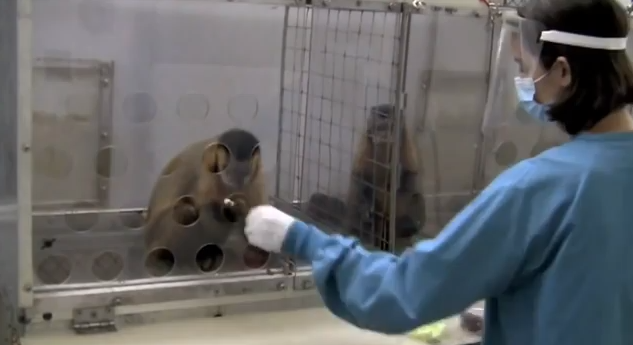
De Waal asserts boldly that “morality exists in animals,” turning the anthropocentric lens upside down. Far from unique to humans, morality shows up in the negotiations, reconciliations, and empathy observed in primates. From consoling a distressed companion to sharing food, these behaviors signal a moral compass rooted in evolutionary necessity, not just philosophical abstractions.
The Mirror of Reciprocity Reflects Social Harmony
“Reciprocity, the exchange of goodwill, creates social harmony.” The mirror of reciprocity reflects actions back and forth within primate societies, creating a rhythm that sustains cooperative living. De Waal’s observations reveal that reciprocity is not a cold calculation, but an intuitive response that fosters balance and nurtures the collective fabric of the group.