Have you ever wondered whether miracles truly happen, or if they’re just tales that tickle our imagination? David Hume, the 18th-century philosopher, might just challenge your beliefs with his compelling and sometimes skeptical views on miracles. Let’s dive into 10 quotes from Hume that explore this fascinating topic and ask ourselves: can miracles stand up to the scrutiny of reason?
Exploring the Nature of Miracles

Hume famously argued that miracles are violations of the laws of nature, which we have discovered through firm and unalterable experience. Could we accept a miracle if it contradicts everything we’ve consistently observed? This challenge forces us to question whether supposed miraculous events are truly credible or just misunderstandings.
Reasoning Beyond the Unbelievable

“In our reasonings concerning matters of fact,” Hume suggests, “a wise man proportions his belief to the evidence.” This raises a playful yet difficult question: should we believe a miracle simply because it astounds us, or should belief be based on solid grounds of evidence? Hume nudges us to choose evidence over astonishment.
Convulsions in Nature or Mere Stories?
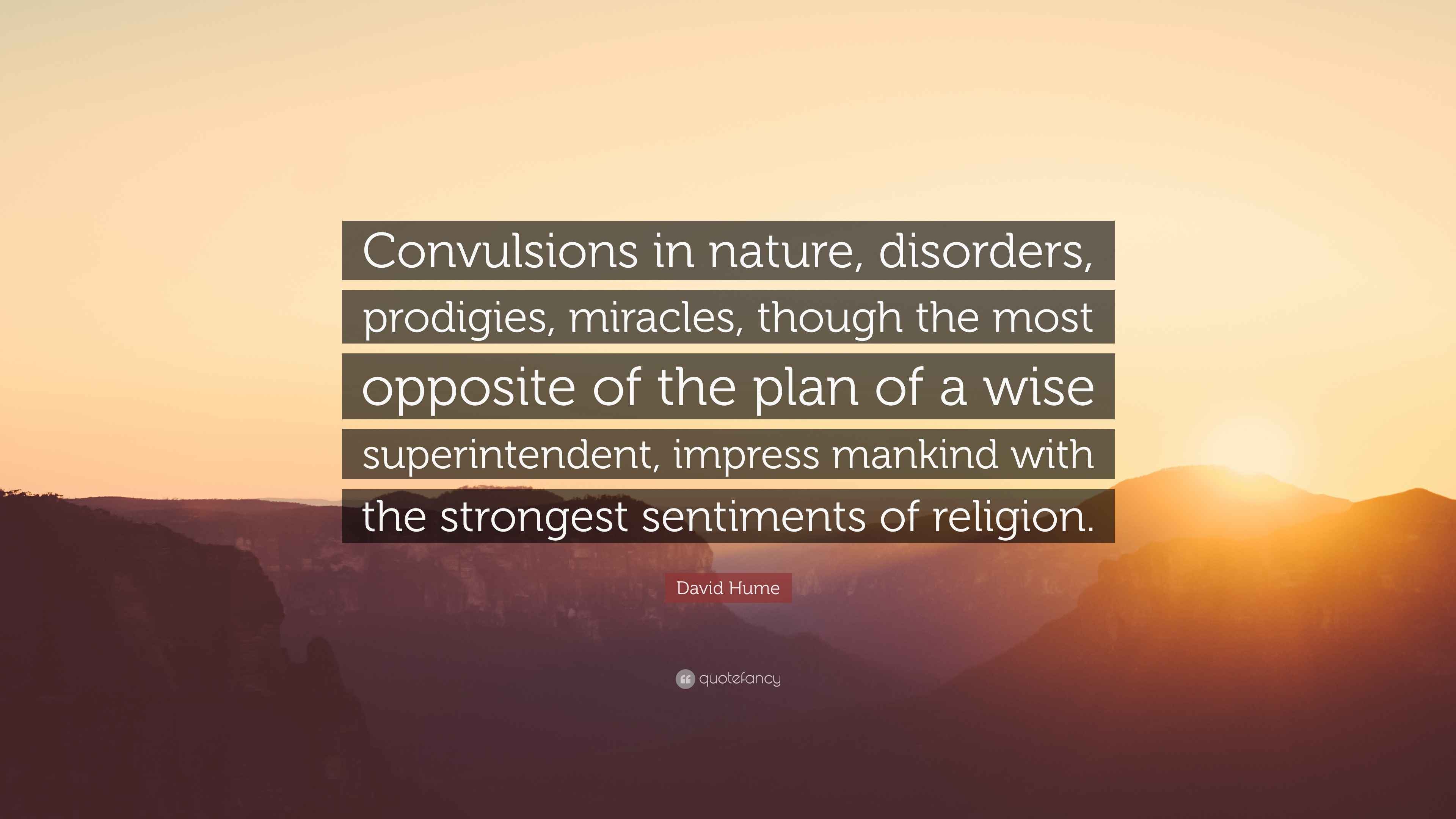
When nature throws a curveball — a natural convulsion, disorder, or prodigy — should we automatically label it a miracle? Hume’s skepticism reminds us that extraordinary events may seem miraculous only because we do not yet understand their natural causes. This invites a challenge: are miracles simply gaps in our knowledge?
Philosophy’s Quest for Peace in Belief

Philosophy, according to Hume, pushes us to find peace in clarity and truth rather than in mystical explanations. Do miracles provide this peace, or do they stir doubt? By analyzing the reliability of our beliefs, Hume encourages us to seek comfort in reasoned understanding rather than sensational claims.
The Empirical Approach to Miracles

Hume’s empirical method demands that every miraculous claim stand up to rigorous scrutiny. He posits that no testimony is strong enough to prove a miracle unless the falsehood of that testimony would be more miraculous than the event it tries to prove. This sets a high bar — can any miracle truly meet it?