


Raymond Carver, the master of minimalist prose and raw emotional depth, left behind a treasure trove of words that cut straight to the heart of human experience. His writing—whether in poetry or short stories—captures the quiet desperation, fleeting joys, and unspoken struggles of everyday life. If you’ve ever felt the weight of ordinary moments or the sting of unmet expectations, Carver’s words will resonate deeply. Below, we explore ten of his most powerful quotes, each paired with an image that reflects the essence of his work.
The Weight of Silence

Silence isn’t just the absence of noise—it’s a space where truths fester and words fail. Carver understood this better than most. In a world that demands constant chatter, his work reminds us that sometimes, the most profound conversations happen in the pauses between sentences. Whether it’s a strained marriage or a lonely bar stool, the things left unsaid often speak the loudest.
The Beauty in the Ordinary

Carver’s genius lay in his ability to transform the mundane into the extraordinary. A spilled drink, a missed phone call, or a half-empty bottle of whiskey became metaphors for the fragility of human connection. His stories and poems don’t just describe life—they distill it, leaving readers to marvel at the complexity hidden in the simplest of moments.
Drinking as a Way of Life

For Carver, alcohol wasn’t just a vice—it was a companion, a confessor, and sometimes, a destroyer. His writing often circles back to the bottle, not as a glamorized escape, but as a stark reflection of the pain and longing that fueled his art. There’s a raw honesty in how he wove drinking into his narratives, making it feel less like a cliché and more like a necessary ritual.
The Fragility of Human Connection
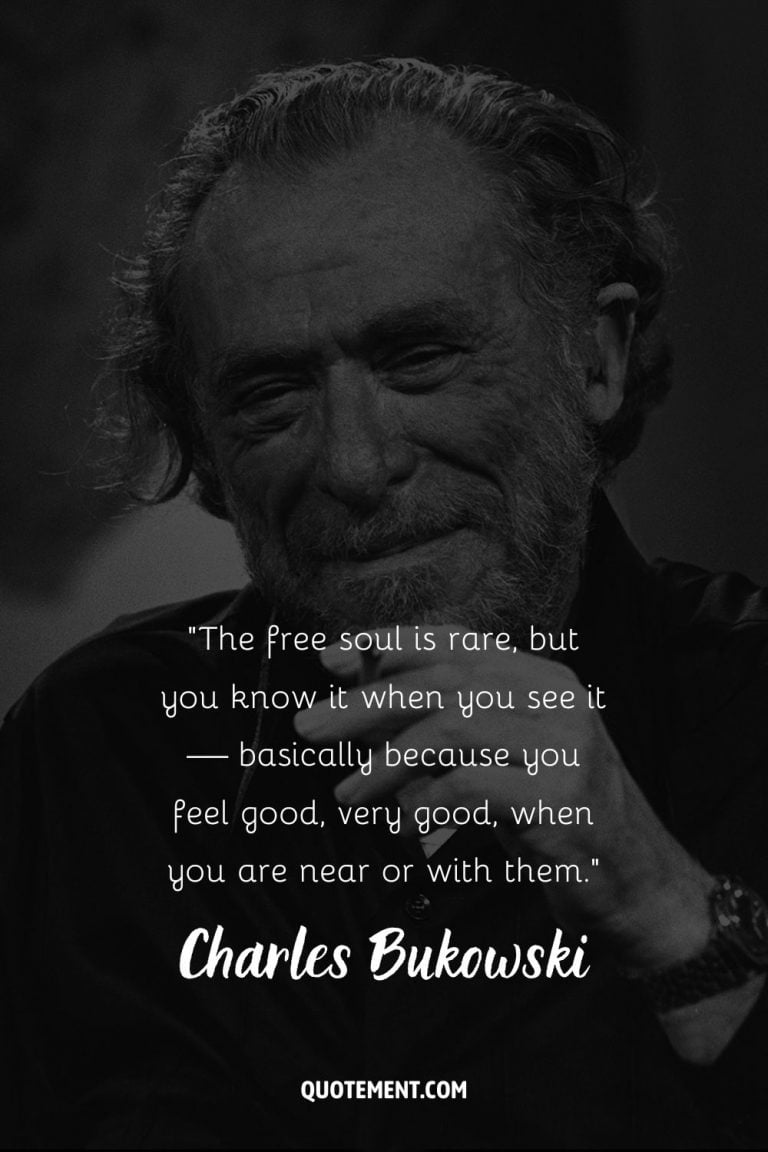
Carver’s characters often stumble through life, grasping at connections that slip through their fingers like sand. Whether it’s a failed marriage, a strained friendship, or a fleeting romance, his work captures the ache of wanting to belong while knowing it’s impossible. There’s a bittersweetness to his portrayal of relationships—one that feels achingly real.
The Unspoken Pain of Failure

Failure isn’t just a plot device in Carver’s world—it’s a way of life. His characters often face crushing setbacks, whether in their careers, relationships, or personal growth. Yet, Carver never wallows in self-pity. Instead, he presents failure as a quiet, persistent companion, one that shapes identity without ever being fully acknowledged.
The Illusion of Control
Carver’s protagonists often cling to the idea that they can steer their lives, only to be humbled by the chaos around them. His stories are filled with moments where control slips away—whether it’s a job lost, a loved one drifting apart, or a dream deferred. The tension between wanting to be in charge and the reality of powerlessness is a recurring theme that feels eerily relatable.
The Redemptive Power of Small Moments
Amidst the despair, Carver’s work occasionally shines a light on small, fleeting moments of grace. A shared laugh, a kind gesture, or even the quiet beauty of a winter morning can feel like a lifeline in his bleakest narratives. These moments aren’t grand or dramatic—they’re subtle, almost imperceptible, but they carry the weight of hope.
The Honesty of Imperfection
Carver’s writing doesn’t glorify perfection. Instead, it embraces the messy, unpolished reality of life. His characters are flawed, their choices questionable, and their outcomes uncertain. There’s a refreshing honesty in this approach, one that rejects the idea that life should be anything other than what it is—messy, painful, and occasionally beautiful.
The Legacy of a Quiet Rebel
Raymond Carver’s influence extends far beyond his own work. He redefined what it meant to write about ordinary people, proving that their struggles were worth exploring. His minimalist style didn’t dilute the emotion—it amplified it, forcing readers to confront the rawness of human experience. Decades later, his words still feel urgent, a testament to the timelessness of his vision.
