Bernard Sumner, the enigmatic frontman of New Order, has always been a figure of intrigue—both for his cryptic lyrics and his unfiltered perspective on the band’s journey. His words often peel back layers of New Order’s evolution, revealing not just the music but the raw emotions and philosophies behind it. Whether dismissing criticism or reflecting on creativity, Sumner’s quotes offer a rare glimpse into the mind of a man who shaped one of the most influential bands of the last four decades. Here are 10 quotes that capture his essence and the deeper currents of New Order’s story.
The Myth of the “Perfect” Frontman
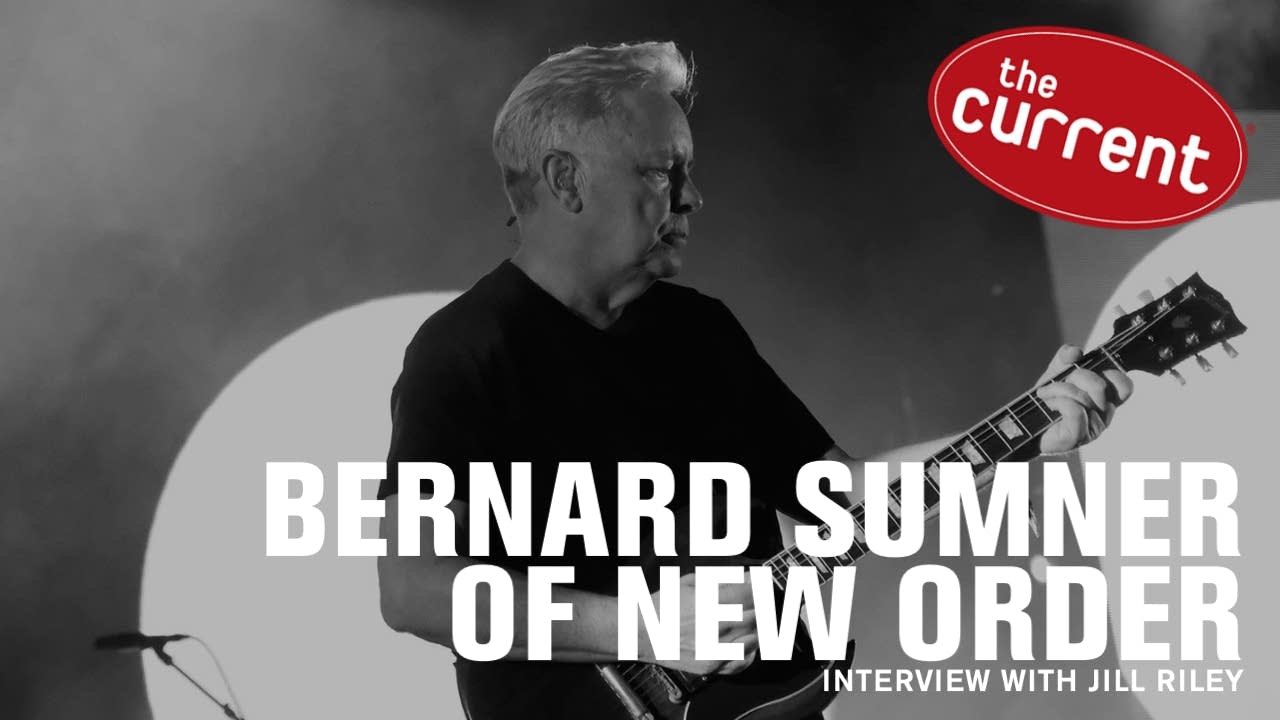
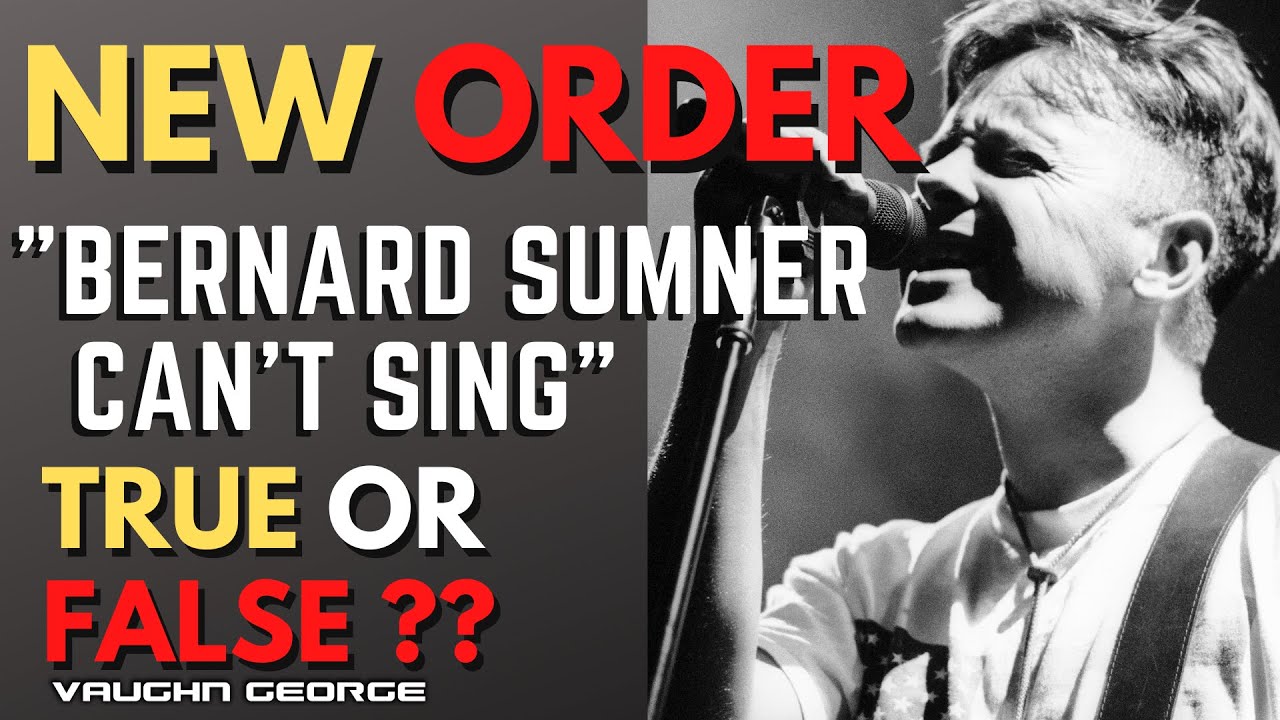
“I can’t sing.” It’s a statement that has followed Bernard Sumner for years, often wielded as a critique by detractors. Yet, this self-deprecation masks a deeper truth: New Order’s music thrived not in spite of imperfection, but because of it. Sumner’s voice—raw, unpolished, and deeply human—became the band’s signature. His willingness to embrace vulnerability transformed New Order from a post-punk act into something transcendent. The myth of the flawless frontman crumbles under his honesty, revealing that great art often emerges from the cracks in our armor.
On the Pressure of Legacy
New Order didn’t just inherit Joy Division’s shadow—they had to carve their own path through it. Sumner has spoken candidly about the weight of expectations, the fear of being compared to a legend. “We were always the band that came after,” he once remarked, a statement that underscores the tension between honoring the past and forging a new identity. Yet, it’s this very tension that fueled their innovation, from the electronic experimentation of *Power, Corruption & Lies* to the anthemic *Republic*. Legacy isn’t a burden to Sumner; it’s a challenge to reinvent.
The Alchemy of Collaboration
New Order’s sound is a product of friction and fusion—Peter Hook’s basslines, Stephen Morris’s drums, Gillian Gilbert’s synths, and Sumner’s guitar and vocals. But Sumner’s quotes reveal something more: the alchemy of collaboration isn’t just technical; it’s emotional. “We fight like cats and dogs,” he admitted in one interview, “but that’s how we make the best music.” The band’s creative process thrived on conflict, turning personal clashes into sonic gold. Sumner’s willingness to acknowledge the messiness of collaboration underscores why New Order’s music feels so alive—it’s not polished; it’s real.
The Role of Technology in Art

New Order didn’t just adopt synthesizers—they married them to rock ‘n’ roll and birthed a new genre. Sumner has often reflected on the band’s embrace of technology, framing it not as a gimmick but as a necessity. “We didn’t choose to use synths because it was trendy,” he explained. “We did it because it was the only way to express what we were feeling.” This pragmatic approach to innovation reveals a deeper philosophy: art evolves when tools align with emotion. New Order’s fusion of analog and digital wasn’t a calculated risk; it was a response to the times, a way to capture the dissonance of modern life.
The Paradox of Nostalgia
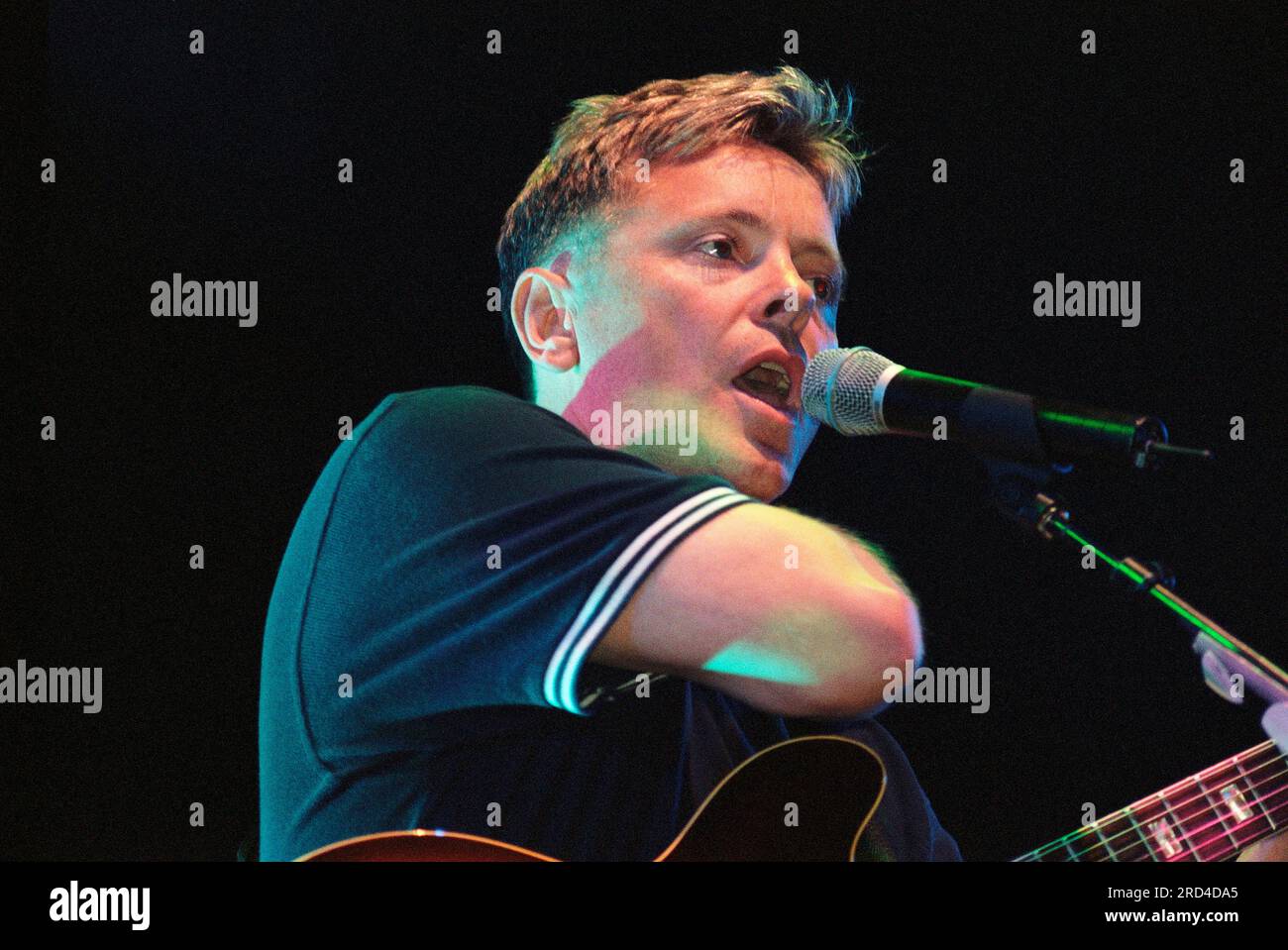
Nostalgia is a double-edged sword for New Order. Sumner has spoken about the band’s complicated relationship with their past, acknowledging that fans often want to freeze them in time. “People remember *Blue Monday* like it’s the only thing we ever did,” he noted, hinting at the frustration of being typecast. Yet, this tension between past and present is what keeps New Order relevant. Their ability to revisit old sounds while pushing forward is a testament to Sumner’s refusal to be boxed in. Nostalgia isn’t a trap; it’s a springboard.