


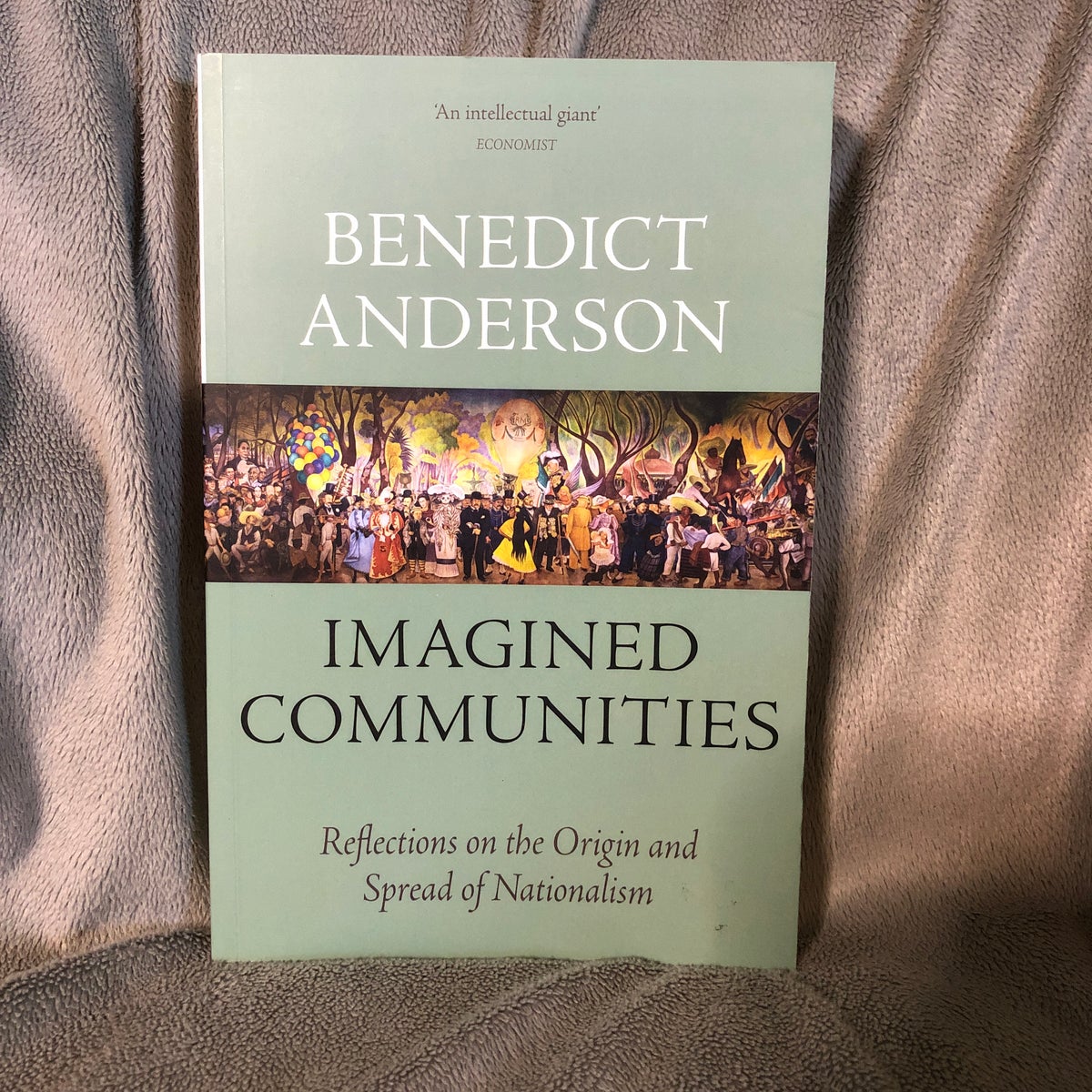
Benedict Anderson’s groundbreaking work Imagined Communities redefined how we understand nations, identity, and belonging. His ideas challenge the notion of nations as fixed, natural entities, instead framing them as socially constructed “imagined” communities bound by shared narratives, symbols, and collective imagination. These quotes from Anderson’s writings and related works distill his revolutionary perspective, inviting you to see the world—and the communities we belong to—in a new light.
The Power of Imagination in Nation-Building
Anderson’s most famous definition reveals the paradox of nations: they feel deeply real to those within them, yet are inherently constructed through shared myths, media, and collective memory. This “horizontal comradeship” suggests that nations thrive not because of objective truths, but because of the emotional bonds people forge with an imagined collective identity.
Language as the Glue of Imagined Communities
Language acts as the invisible thread weaving individuals into a nation. Anderson argues that print capitalism—particularly the rise of vernacular languages in books and newspapers—created standardized communication, fostering a sense of unity among strangers. This linguistic shift turned local dialects into national languages, erasing differences in favor of a shared cultural framework.
Print Capitalism and the Birth of National Consciousness

Anderson links the rise of print technology to the emergence of national identity. As books and newspapers became widely accessible, they created a “simultaneous” experience—readers across vast distances consumed the same stories, histories, and ideas at roughly the same time. This synchronization planted the seeds of a shared national consciousness, turning disparate groups into a cohesive imagined community.
The Role of Capitalism in Shaping Collective Identity
Capitalism didn’t just enable print; it shaped the very nature of nations. Anderson notes that the market demanded standardized languages for efficient trade and administration, which in turn reinforced national identities. The nation-state became the ideal unit for capitalism, as it provided a stable, predictable environment for economic exchange—further embedding the idea of the nation into daily life.
Religion and the Sacred Roots of National Identity
While religions bind people through shared faith, nations bind them through secular citizenship. Anderson highlights how the decline of religious authority in the West coincided with the rise of nationalism. The nation took on a quasi-sacred role, with symbols like flags and anthems replacing religious rituals, offering a new form of collective belonging in an increasingly secular world.
The Paradox of Simultaneity in Modern Nationhood
Nations thrive on a paradox: their members will never meet most of their “fellow citizens,” yet they feel a deep connection to them. This imagined communion is sustained through media, education, and shared symbols. Anderson’s insight forces us to question how such abstract connections can feel so tangible—and why they often override more immediate, local identities.
Colonialism and the Spread of Imagined Communities
Anderson’s provocative statement challenges the idea that nations are ancient or organic. Instead, nationalism often creates nations by imposing a shared identity where none existed before. Colonial powers, for example, drew arbitrary borders that forced diverse ethnic groups into single “nations,” demonstrating how imagined communities can be engineered—and how their boundaries are often artificial.
The Fragility of Imagined Communities
If nations are imagined, they are also fragile. Anderson’s framework reveals that national identities depend on constant reinforcement—through education, media, and shared rituals. When these bonds weaken, nations can fracture. This fragility explains why nationalist movements often resort to exclusionary rhetoric or historical myth-making: to shore up a sense of belonging in an increasingly uncertain world.
Beyond Borders: The Global Implications of Anderson’s Ideas
Anderson’s ideas extend far beyond the nation-state. They help us understand modern phenomena like online communities, global movements, and even corporate cultures. In a world where physical borders matter less than ever, his work reminds us that identity is not fixed—it’s a dynamic, constructed narrative that we continually shape and reshape. The next time you feel a surge of patriotism or loyalty to a group, ask yourself: Is this feeling natural, or has it been imagined into existence?