Aung San Suu Kyi, the Nobel Peace Prize laureate and former State Counsellor of Myanmar, is a figure whose legacy is as complex as it is inspiring. While her later years have been marred by controversy, her early speeches and writings remain a powerful testament to her unwavering commitment to democracy, human rights, and nonviolence. These words, delivered during a time of great personal sacrifice, continue to resonate with those who believe in the power of peaceful resistance and moral courage. Below are 10 quotes from her early speeches that capture the essence of her vision and the ideals she championed.
On the Power of Nonviolence
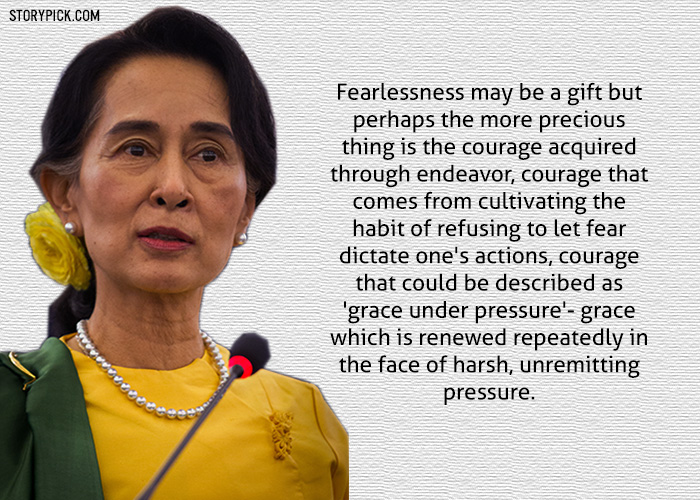
One of the defining principles of Aung San Suu Kyi’s early activism was her steadfast belief in nonviolent resistance. She drew inspiration from figures like Mahatma Gandhi and Martin Luther King Jr., seeing nonviolence not as a sign of weakness but as a profound strength. In her speeches, she often emphasized that true change comes from moral conviction rather than force. Her words remind us that even in the face of oppression, the path of peace can be the most powerful weapon of all.
The Courage to Stand Alone

Standing up for what is right often means standing alone, and Aung San Suu Kyi knew this better than most. Her early speeches frequently highlighted the importance of individual courage in the face of systemic injustice. She spoke of the necessity to remain steadfast in one’s principles, even when the world seems indifferent or hostile. Her own life became a testament to this belief, as she spent years under house arrest for refusing to compromise her ideals.
Democracy as a Universal Right
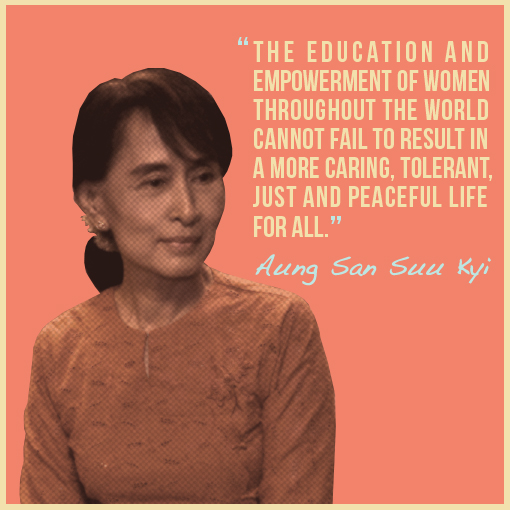
For Aung San Suu Kyi, democracy was not a privilege but a fundamental human right. Her early speeches were filled with calls for democratic governance, emphasizing that it was the only system capable of ensuring justice, freedom, and dignity for all. She spoke passionately about the need for free elections, the rule of law, and the protection of civil liberties. Her words served as a rallying cry for those who believed in the transformative power of democracy to uplift societies and empower the marginalized.
The Strength of Compassion
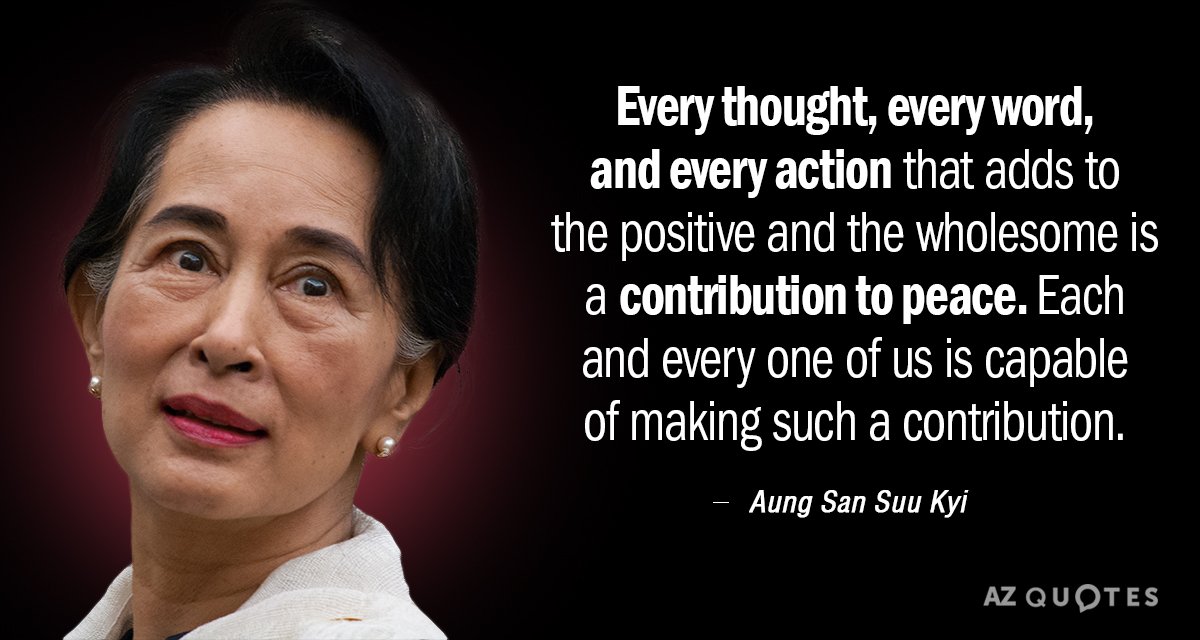
Compassion was a cornerstone of Aung San Suu Kyi’s philosophy, both in her personal life and her political career. She believed that true leadership required empathy and a deep understanding of the struggles faced by ordinary people. In her early speeches, she often spoke about the importance of listening to the voices of the oppressed and standing in solidarity with those who suffered. Her words remind us that compassion is not a sign of naivety but a source of strength and wisdom in leadership.
On the Value of Time and Patience
Patience is a virtue often tested in the pursuit of justice, and Aung San Suu Kyi understood this deeply. Her early speeches frequently touched on the need for perseverance, even when progress seemed slow or nonexistent. She spoke of the long road to freedom and the importance of staying the course, no matter how daunting the challenges. Her own life exemplified this patience, as she endured years of isolation and uncertainty while waiting for the day when democracy would finally prevail in Myanmar.
The Role of Fear in Oppression
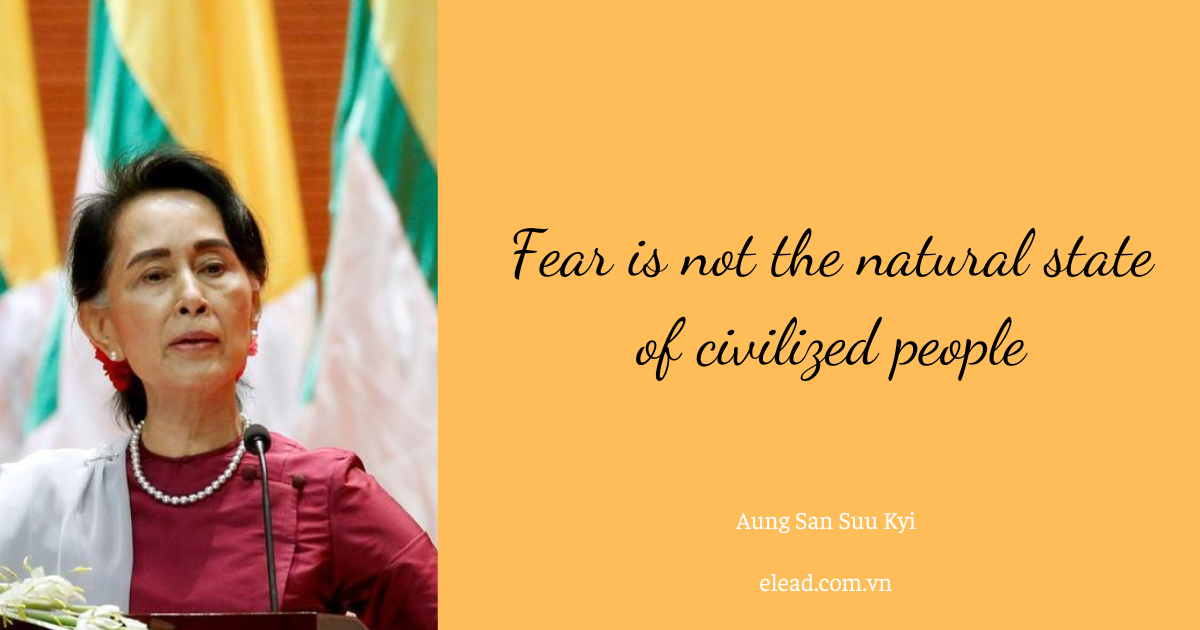
Fear is a tool often used by oppressive regimes to control and silence their people, and Aung San Suu Kyi was acutely aware of its power. In her early speeches, she spoke about how fear could paralyze individuals and prevent them from standing up for their rights. Yet, she also emphasized that fear could be overcome through courage and collective action. Her words served as a challenge to those who lived under tyranny, urging them to cast aside their fears and reclaim their dignity.
The Importance of Education
Education was another pillar of Aung San Suu Kyi’s vision for a just society. She believed that knowledge was the key to empowerment and that education could break the chains of ignorance and oppression. In her early speeches, she often spoke about the need to invest in education as a means of fostering critical thinking and civic engagement. Her words remind us that education is not just about acquiring information but about cultivating the wisdom to challenge injustice and build a better future.
Unity in Diversity
Aung San Suu Kyi’s early speeches also emphasized the importance of unity in the face of division. She spoke about the need for people of different backgrounds to come together in the pursuit of common goals, such as democracy and human rights. Her words were a call to transcend ethnic, religious, and cultural differences and to recognize the shared humanity that binds us all. In a world often divided by conflict, her message remains a powerful reminder of the strength that comes from standing together.
The Sacrifice of Personal Freedom
One of the most poignant aspects of Aung San Suu Kyi’s early activism was her willingness to sacrifice her personal freedom for the greater good. In her speeches, she often spoke about the cost of standing up for what is right and the personal toll it can take. Yet, she also spoke about the profound sense of purpose that comes from dedicating one’s life to a cause greater than oneself. Her words serve as a reminder that true leadership often requires great personal sacrifice, and that the pursuit of justice is worth every ounce of effort.
Hope as a Revolutionary Force
Finally, Aung San Suu Kyi’s early speeches were infused with a sense of hope—a belief that change was possible, even in the darkest of times. She spoke about hope not as a passive wish but as an active force that could inspire and mobilize people to take action. Her words remind us that hope is not merely a feeling but a choice, one that can fuel the struggle for justice and transform societies. In a world often plagued by despair, her message is a powerful call to hold onto hope and keep fighting for a better future.