Albert Bandura’s Social Learning Theory revolutionized our understanding of how we learn, grow, and adapt. Unlike traditional models that focus solely on direct experience, Bandura proposed that we also learn by observing others—through imitation, modeling, and observation. His work challenges the idea that behavior is shaped only by rewards and punishments, instead highlighting the power of observation and social context. These ten quotes distill his groundbreaking ideas, offering fresh perspectives on learning, motivation, and human potential. Prepare to see the world—and yourself—in a whole new light.
The Power of Observation: Learning Through Modeling

Bandura’s famous Bobo doll experiment shattered the notion that learning is purely a product of reinforcement. Instead, he demonstrated that children—and adults—learn behaviors simply by watching others. This quote underscores a fundamental truth: “Most human behavior is learned observationally through modeling: from observing others, one forms an idea of how new behaviors are performed, and on later occasions, this coded information serves as a guide for action.” It’s a reminder that the people around us shape our actions in ways we often overlook.
Self-Efficacy: The Belief That Drives Success
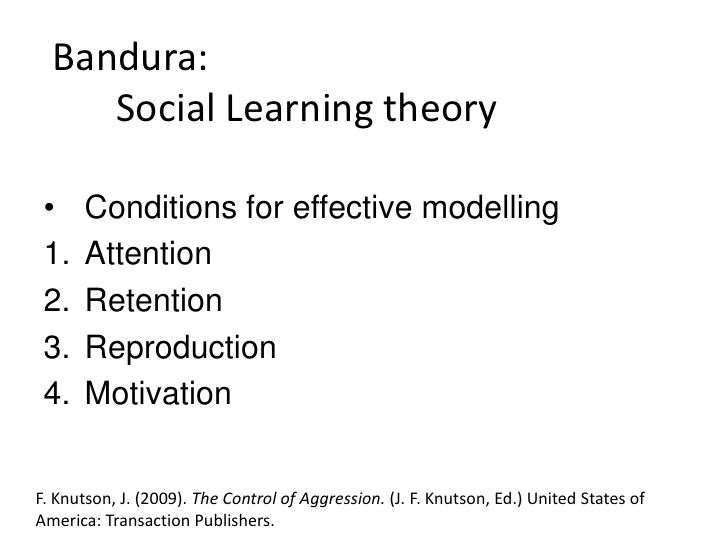
At the heart of Bandura’s theory lies the concept of self-efficacy—the belief in one’s ability to succeed. This isn’t just about confidence; it’s about the conviction that fuels persistence and resilience. As Bandura puts it, “In order to succeed, people need a sense of self-efficacy, to struggle together with resilience to meet the inevitable obstacles and inequities of life.” Whether you’re tackling a new skill or overcoming a challenge, your belief in yourself often determines the outcome more than raw talent.
From Observation to Action: The Role of Motivation
Learning doesn’t stop at observation—it requires motivation to translate into action. Bandura recognized that while we can watch others, we won’t replicate behaviors unless we’re driven to do so. He noted, “Learning would be exceedingly laborious, not to mention hazardous, if people had to rely solely on the effects of their own actions to inform them what to do.” This highlights the importance of environments that inspire and reward desired behaviors, making learning both efficient and safe.
The Ripple Effect of Social Influence
Bandura’s theory extends beyond individuals to entire communities, showing how behaviors spread like wildfire through social networks. He observed, “People are not passive recipients of rewards and punishments. Their beliefs, expectations, and cognitive competencies are developed and modified by social influences.” This means that the norms, values, and actions of those around us don’t just influence us—they shape the very fabric of society.
Breaking Barriers: Overcoming Limitations Through Observation
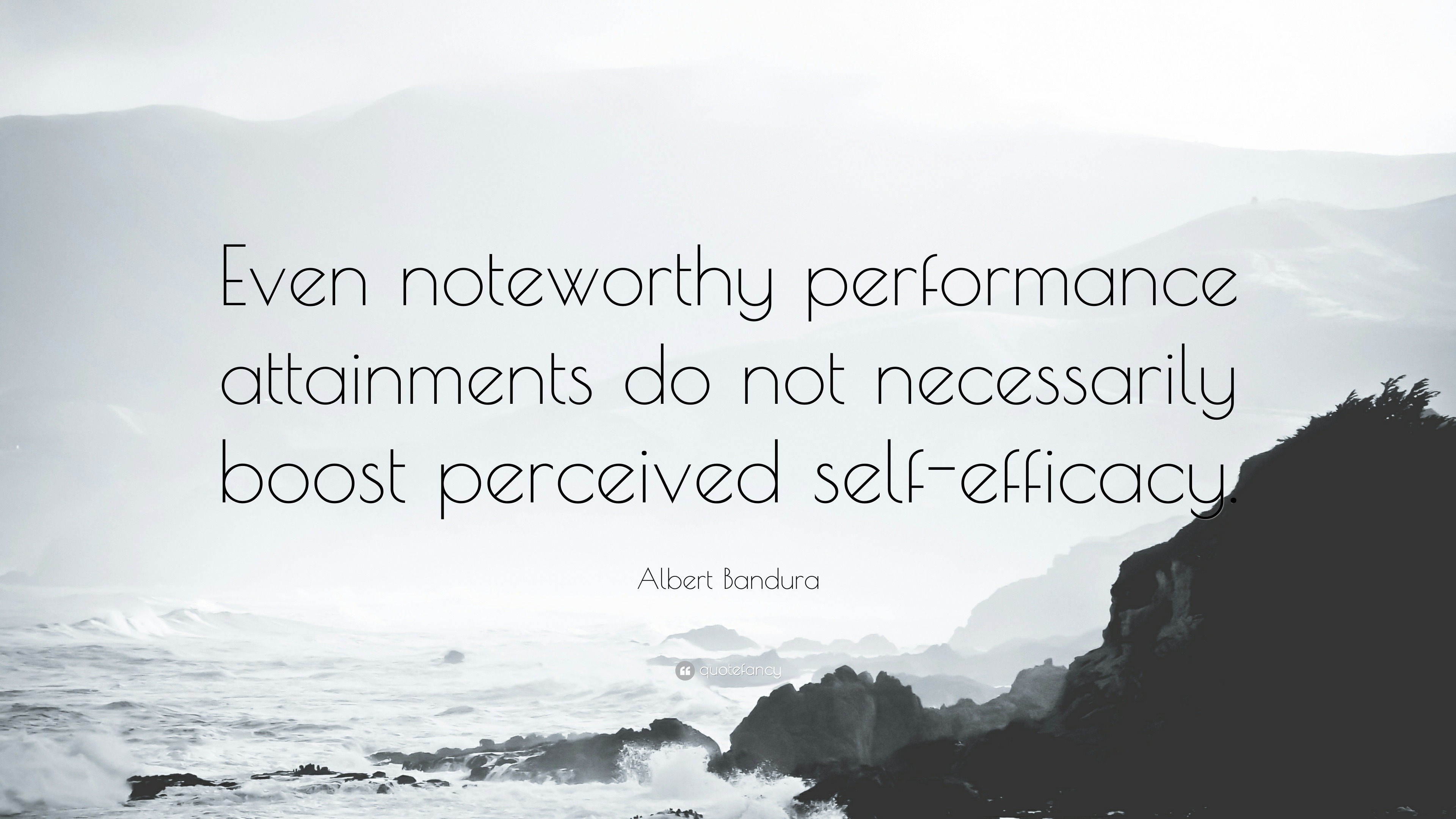
One of Bandura’s most empowering insights is that we’re not bound by our past experiences. He argued, “Even noteworthy performance attainments do not necessarily imply high self-efficacy if they were achieved with excessive effort, outside assistance, or easy tasks.” This challenges the idea that success is predetermined by innate ability. Instead, it suggests that with the right models and opportunities, anyone can achieve remarkable growth.
The Mirror Neuron Effect: Why We Feel What We See
Bandura’s work laid the groundwork for understanding how our brains are wired to learn from others. While he didn’t delve into neuroscience, his theories align with discoveries about mirror neurons—cells that fire both when we perform an action and when we observe someone else doing it. This biological foundation explains why emotions, habits, and skills are so contagious. As Bandura noted, “The social environment provides a rich source of models for observational learning.”
Parenting and Teaching: Shaping the Next Generation
For parents, teachers, and mentors, Bandura’s theory is a call to action. He emphasized, “Parents and teachers must be aware of the fact that they are constantly modeling behaviors, attitudes, and emotional reactions for their children and students.” This means that the way we speak, act, and respond sets the stage for the next generation’s learning. Small changes in our behavior can have a profound impact on those who look up to us.
The Dark Side of Social Learning: Imitating the Wrong Models
Not all learning is beneficial. Bandura acknowledged that we can just as easily adopt harmful behaviors by observing the wrong influences. He warned, “If children see adults behaving aggressively, they are likely to imitate that behavior.” This underscores the responsibility that comes with influence—whether in media, family, or society. The lesson? Be mindful of the models you choose to follow.
From Theory to Practice: Applying Social Learning Today
Bandura’s ideas aren’t confined to textbooks—they’re alive in modern education, therapy, and even marketing. He believed, “The capacity to learn by observation enables people to acquire large, integrated patterns of behavior without having to form them gradually by tedious trial and error.” Today, this principle is used in everything from classroom strategies to social media campaigns, proving that his theory remains as relevant as ever.
The Future of Learning: A Social Revolution
As technology connects us more than ever, Bandura’s theory takes on new dimensions. He foresaw a world where learning transcends physical boundaries, stating, “With electronic media, there are no barriers to mass diffusion of models.” From online tutorials to virtual communities, the future of learning is inherently social—and Bandura’s insights are the compass guiding us forward.