


Retna, the enigmatic Los Angeles-based artist, is renowned for his intricate, symbolic murals that blend graffiti, calligraphy, and abstract art. His work often features cryptic symbols, bold typography, and a mesmerizing interplay of light and shadow. For those new to his art, understanding Retna’s unique language can feel like deciphering a secret code—but once unlocked, his pieces reveal profound messages about identity, culture, and human connection. Below, we explore 10 of Retna’s most unique and symbolic quotes, each accompanied by insights into their deeper meanings.
Decoding the Language of Symbols in Retna’s Art

Retna’s art is a visual language where symbols take center stage. Unlike traditional graffiti, his work doesn’t rely on words alone but on a fusion of shapes, lines, and abstract forms that evoke emotion and curiosity. Each symbol in his murals—whether a stylized letter, a sacred geometry motif, or an ancient script—serves as a building block for a larger narrative. For instance, the recurring use of angular, almost hieroglyphic letters often represents the intersection of past and present, bridging ancient traditions with modern expression. By studying these symbols closely, viewers can begin to interpret the hidden stories within his pieces.
The Power of Light and Shadow in Retna’s Murals
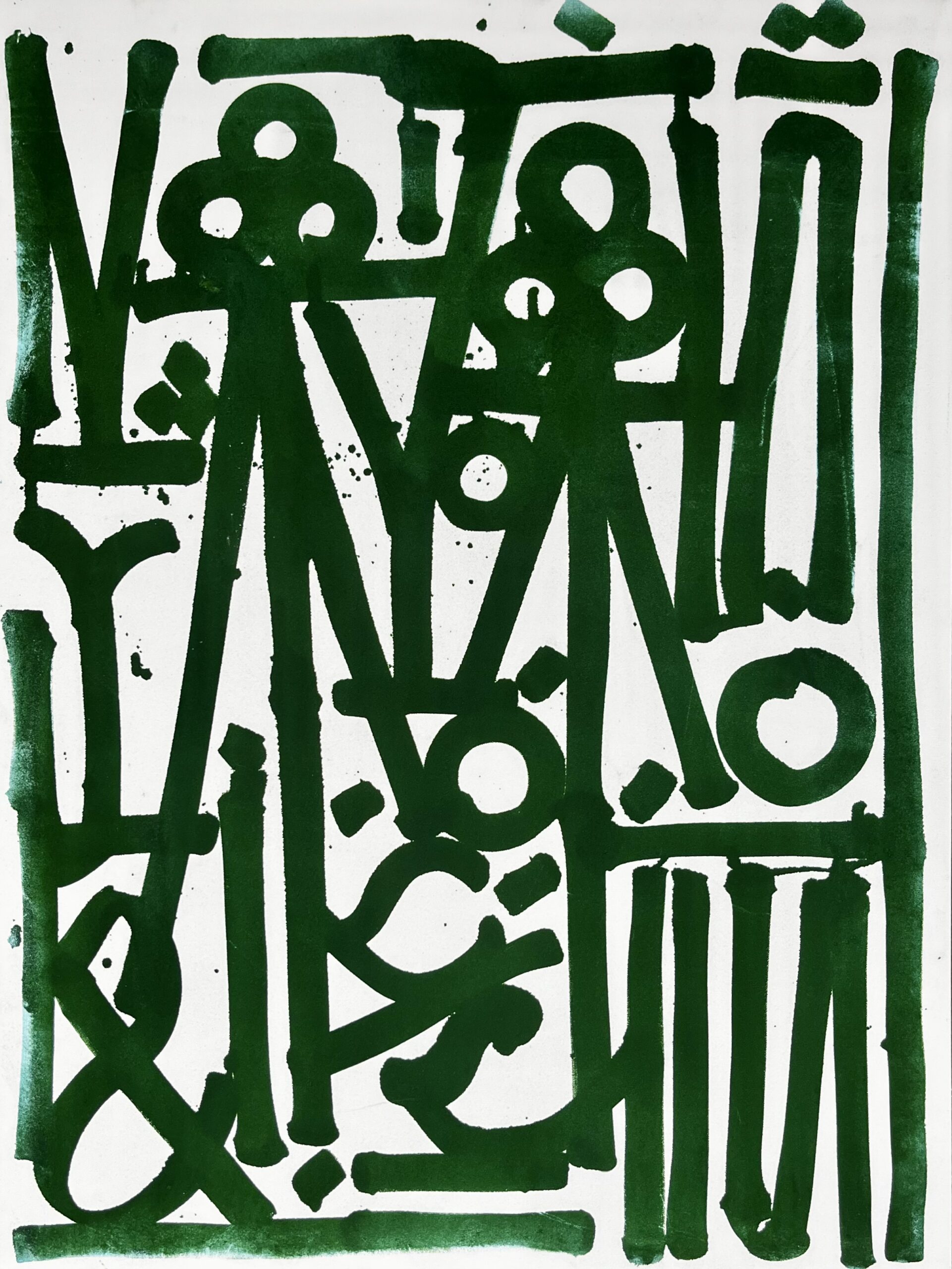
Light and shadow play a crucial role in Retna’s compositions, creating depth and dimension that draw the viewer into his world. His use of stark contrasts isn’t just aesthetic—it symbolizes the duality of existence, the balance between creation and destruction, or the interplay between knowledge and ignorance. In many of his murals, light illuminates certain symbols while leaving others shrouded in darkness, suggesting that truth is often partial and requires active engagement to uncover. This technique also mirrors the way we perceive reality, where clarity and obscurity coexist in our understanding of the world.
Retna’s Calligraphic Mastery: When Words Become Art

Retna’s calligraphic approach transforms words into living art. By merging graffiti’s raw energy with the precision of calligraphy, he creates a dynamic visual rhythm that feels both ancient and contemporary. His letters often resemble sacred texts or mystical incantations, inviting viewers to ponder their meaning rather than read them literally. This fusion of styles challenges the boundaries between street art and fine art, proving that language itself can be a canvas. For those unfamiliar with his work, his calligraphic murals serve as a gateway into the deeper philosophical themes that underpin his art.
Sacred Geometry in Retna’s Abstract Compositions

Sacred geometry is a recurring motif in Retna’s work, where shapes like circles, triangles, and spirals are imbued with symbolic significance. These patterns often represent universal truths, such as the interconnectedness of all things or the cyclical nature of life. In his murals, these geometric forms are not merely decorative—they act as visual metaphors for concepts like unity, transformation, and the divine. By incorporating these elements, Retna’s art transcends the physical and taps into something spiritual, offering viewers a moment of reflection and introspection.
Retna’s Use of Color: Vibrancy as a Form of Expression

Color is a powerful tool in Retna’s artistic arsenal, often used to evoke emotion and guide the viewer’s eye through his compositions. His bold, saturated hues—ranging from deep blacks and reds to electric blues and yellows—create a sense of urgency and vitality. Each color choice is deliberate, whether it’s to signify passion, mystery, or resilience. For example, red might symbolize energy or danger, while blue could represent tranquility or depth. By masterfully layering colors, Retna ensures that his murals are not just seen but *felt*, leaving a lasting impression on anyone who encounters them.
The Intersection of Street Art and Fine Art in Retna’s Work
Retna’s ability to straddle the line between street art and fine art is one of his defining characteristics. While his roots lie in graffiti culture, his work has evolved into something far more refined, earning recognition in galleries and public spaces alike. This duality is reflected in his use of unconventional materials, such as spray paint on canvas, and his meticulous attention to detail. His murals challenge the notion that street art is inherently rebellious or ephemeral, instead positioning it as a legitimate and powerful form of contemporary art. For aspiring artists, Retna’s career is a testament to the idea that art knows no boundaries.
Retna’s Influence: Bridging Cultures Through Art
One of Retna’s most compelling contributions to the art world is his ability to bridge cultures. His work draws from a diverse range of influences, including ancient scripts, modern typography, and global traditions. This multicultural approach not only makes his art visually striking but also fosters a sense of unity and shared humanity. By incorporating elements from different cultures, Retna’s murals speak to a universal language of symbols and emotions, transcending language barriers. For viewers, this creates an inclusive experience where everyone can find a piece of themselves in his art.
Retna’s Art as a Reflection of Personal and Collective Identity
At its core, Retna’s art is a reflection of both personal and collective identity. His symbols often explore themes of self-discovery, heritage, and the search for meaning in a complex world. For example, his use of fragmented letters can symbolize the fractured nature of identity, while his bold, unapologetic lines might represent resilience and individuality. By engaging with his work, viewers are encouraged to reflect on their own journeys, making his murals deeply personal and universally relatable. In this way, Retna’s art becomes a mirror, inviting us to see ourselves—and our shared humanity—in his symbolic language.
How to Engage with Retna’s Art: A Beginner’s Guide
For those new to Retna’s work, engaging with his art can feel overwhelming at first. The key is to approach it with an open mind and a willingness to explore. Start by observing the symbols and patterns without rushing to find a single meaning—let the art speak to you first. Pay attention to how light and color interact, and consider the emotions they evoke. You might also research the cultural and historical references behind his work to deepen your understanding. Ultimately, Retna’s art is meant to be experienced, not just seen. The more time you spend with it, the more layers you’ll uncover, revealing the profound stories hidden within each mural.
