


Nicolas Winding Refn’s films are a paradox—stylish yet brutal, poetic yet violent. His words carry the same dichotomy, blending sharp observation with raw intensity. Whether dissecting Hollywood’s illusions or the power of self-awareness, Refn’s quotes resonate because they refuse to soften the edges of truth. They’re not just statements; they’re declarations wrapped in neon and blood. Here are 10 quotes that capture the essence of his cinematic and philosophical worldview.
The Myth of Hollywood’s Allure

Hollywood isn’t just a place—it’s a myth, a carefully constructed illusion that lures artists with promises of glory and power. Refn, who navigated the industry’s treacherous waters, knows this all too well. His words strip away the glamour, exposing the hollow core beneath the red carpet. It’s a reminder that the dream factory thrives on deception, and those who buy into it often pay the price.
The Greatest Films Are Born from Obsession
Refn’s praise for *Drive* isn’t just hyperbole—it’s a testament to how a film can transcend its genre to become something timeless. The movie’s blend of neon-lit cool and unflinching violence makes it a masterpiece of contradictions. Refn suggests that greatness in cinema isn’t about perfection but about obsession, about pushing boundaries until they crack. *Drive* does that, and in doing so, it becomes immortal.
Power Isn’t Given—It’s Taken
Understanding your own power is the first step toward wielding it. Refn’s films often revolve around characters who grasp this truth too late—or not at all. Whether it’s the Driver in *Drive* or the characters in *The Neon Demon*, Refn’s protagonists are defined by their relationship with power: some embrace it, others are destroyed by it. His words here serve as a warning and a challenge—know your strength before the world does it for you.
The Allure of the Outsider
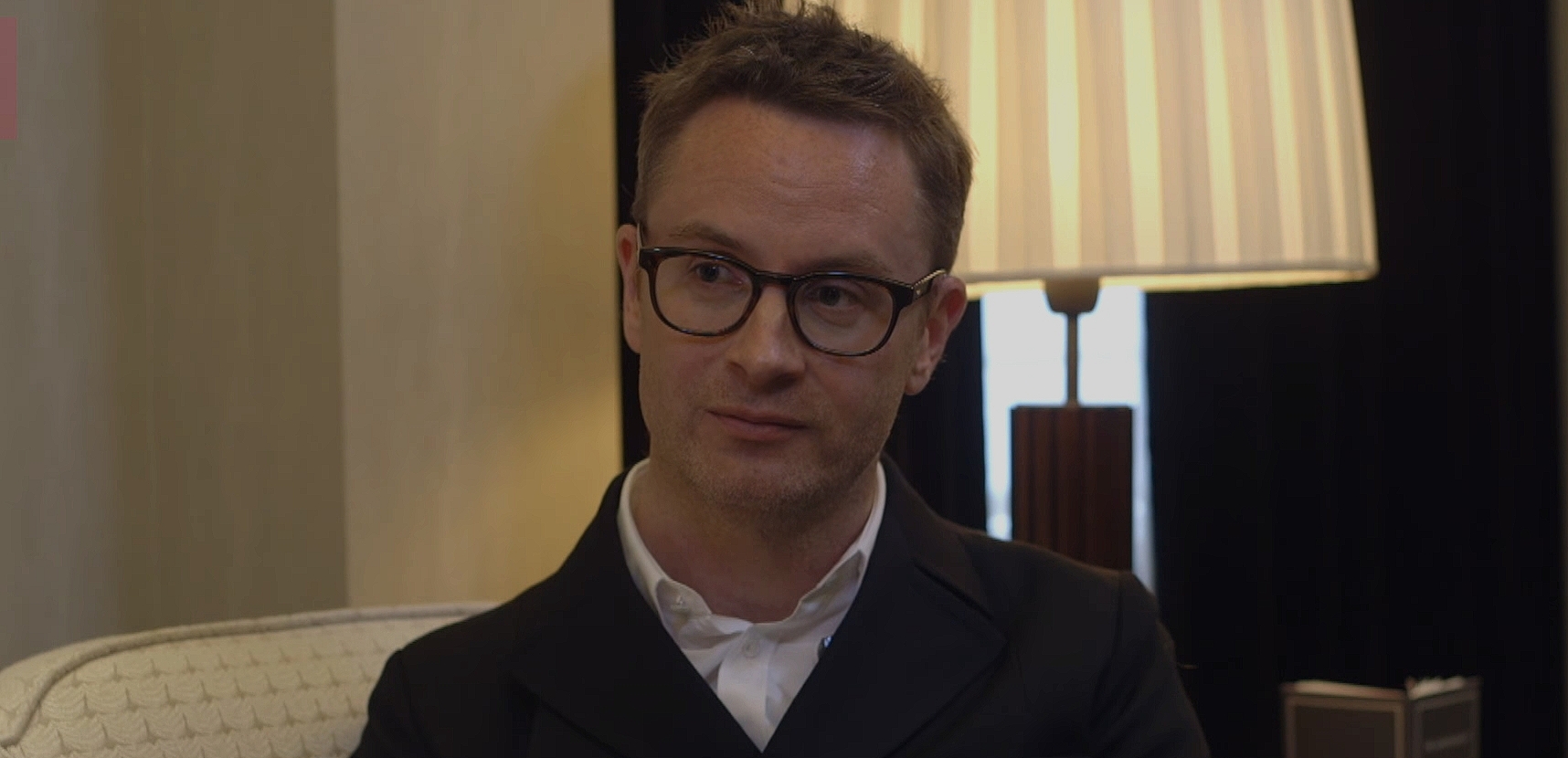
Refn has always been an outsider in Hollywood, and his films reflect that perspective. There’s a raw, unfiltered energy in his work that comes from being on the fringes, observing the machine from a distance. His quotes often carry this outsider’s gaze—skeptical, uncompromising, and unafraid to call out the absurdity of the system. It’s a perspective that gives his words weight, because they come from someone who’s seen the underbelly and still chose to create.
Violence as a Language
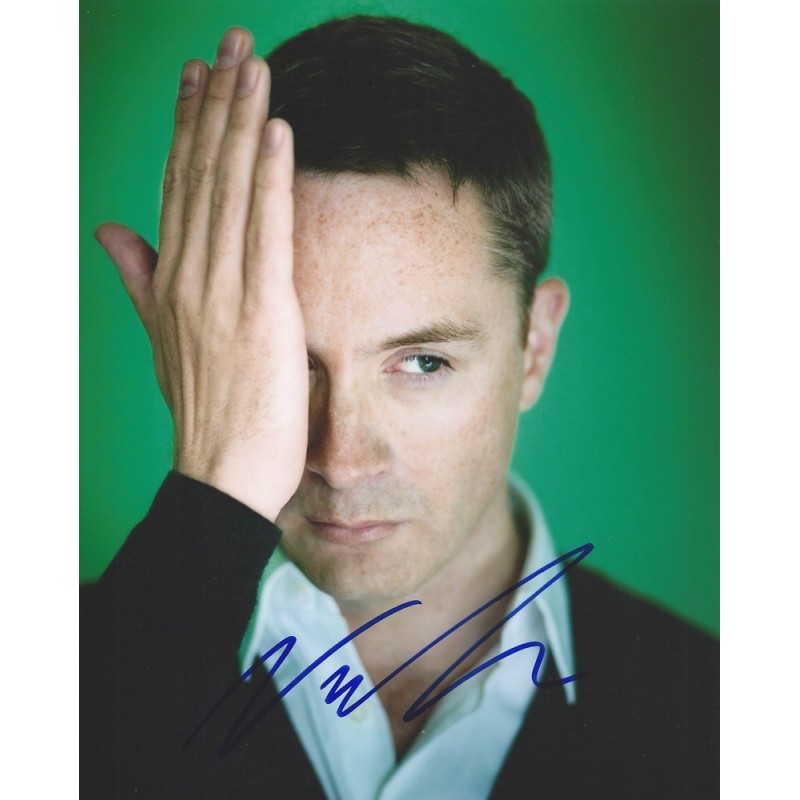
In Refn’s world, violence isn’t just a plot device—it’s a form of communication. His films use brutality to convey emotions that words can’t capture: rage, desire, desperation. His quotes echo this philosophy, suggesting that violence is a language of its own, one that speaks louder than any monologue. It’s a chilling idea, but one that lingers because it’s uncomfortably true. Violence, in Refn’s view, is often the most honest expression left.
