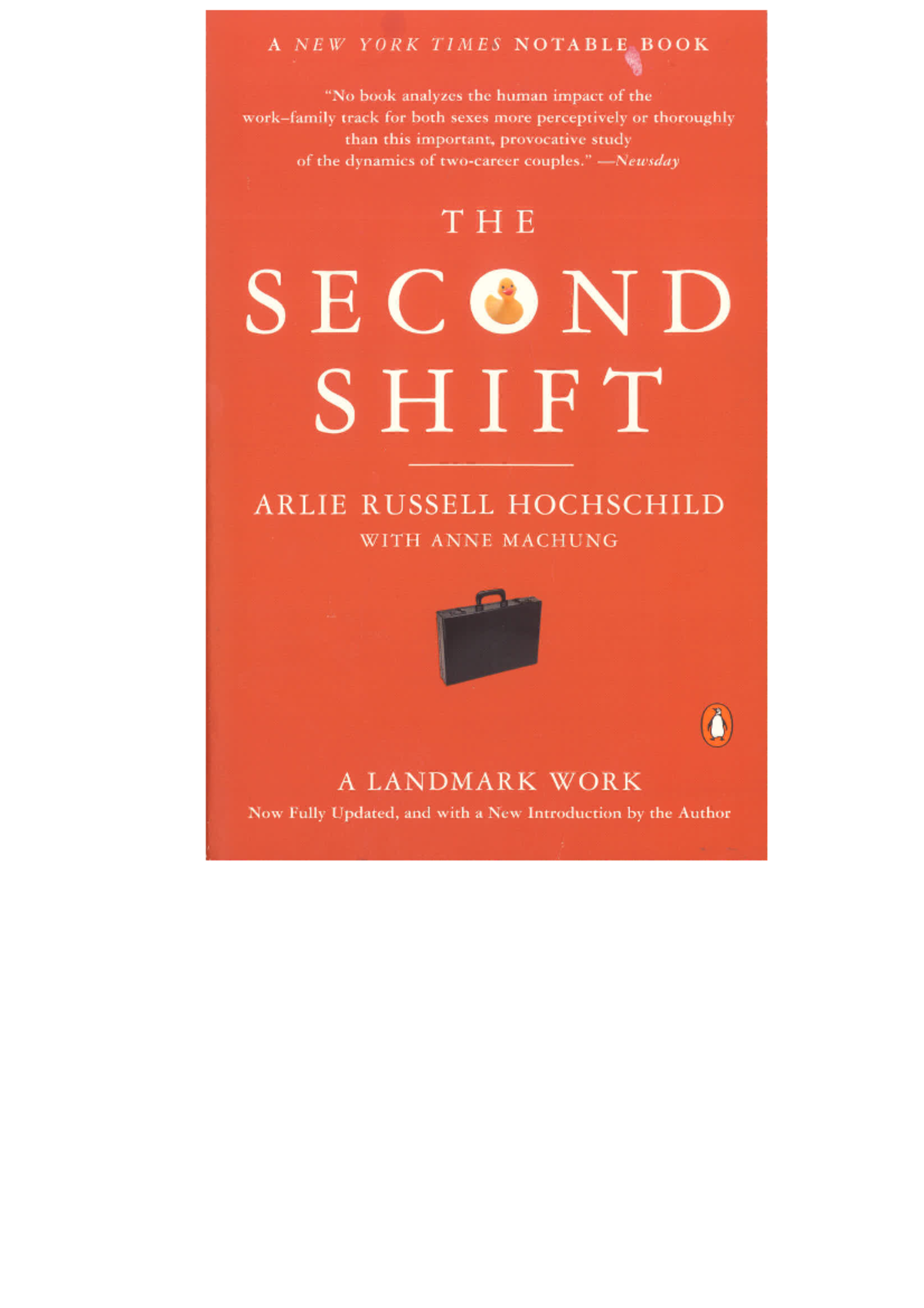
Arlie Hochschild’s seminal work, The Second Shift, offers an insightful analysis of the stalled revolution within modern households, where despite increased female participation in the workforce, domestic responsibilities remain disproportionately shouldered by women. This collection of quotes captures the essence of the challenges faced by working parents and reveals the complexities behind the persistence of traditional gender roles at home. These quotes not only highlight the frustrations but also hint at the deeper societal and emotional dynamics sustaining this imbalance.
The Unseen Burden: The Second Shift

“The second shift” refers to the double burden of paid work and unpaid domestic labor that many women continue to navigate daily. Hochschild astutely describes how the home remains a space where traditional gender expectations persist, challenging the notion that workplace equality alone is enough to dismantle ingrained societal patterns.
Balancing Work and Family Life

“Rediscovering balance between life and work means questioning who does what and why in the household.” Hochschild’s observations remind us that work-life balance is more than a managerial issue—it’s deeply rooted in cultural expectations that shape how couples negotiate labor division, often leaving women overwhelmed and underrecognized.
Women’s Increased Workforce Participation
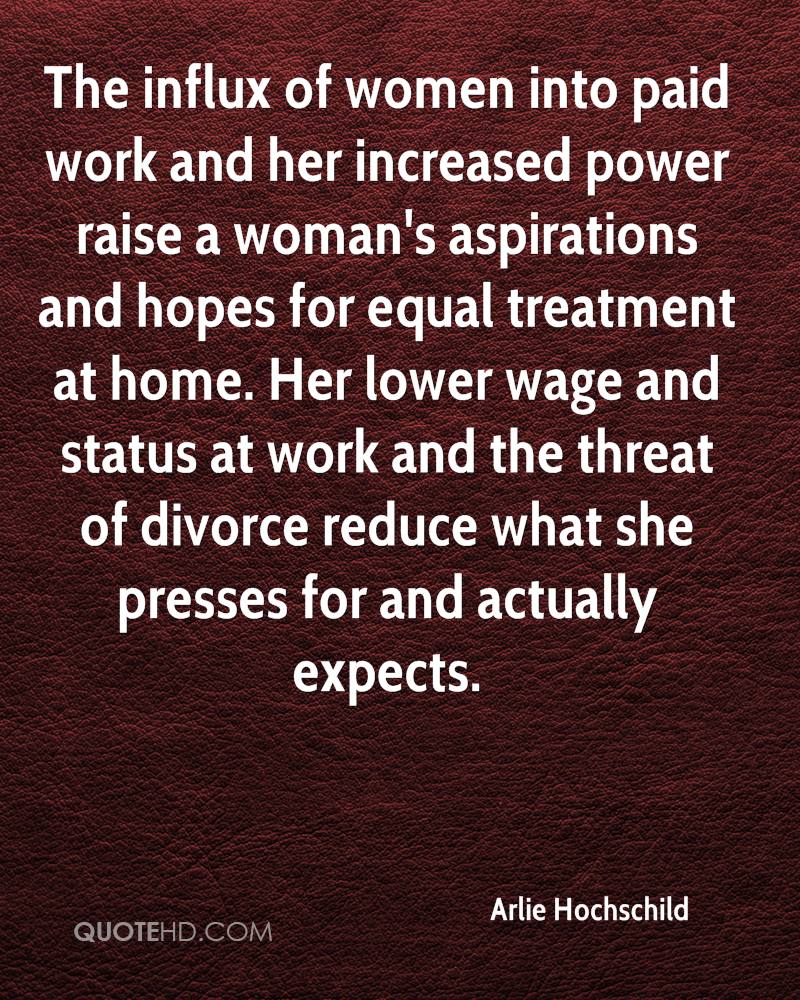
The influx of women into paid work has transformed the landscape of family dynamics, yet Hochschild points out, “Increased participation has not meant an equal sharing of domestic work.” This imbalance perpetuates stress and dissatisfaction, signaling that economic changes alone don’t guarantee social or emotional equality at home.
Shared Responsibilities Remain Elusive
“Couples often fall into patterns where the wife takes on the emotional management of the household.” Hochschild reveals that mental labor—the organization, planning, and emotional support required in managing a home—is disproportionately carried by women, adding another layer to the ‘second shift’ that remains largely invisible.
The Persistence of Gender Norms
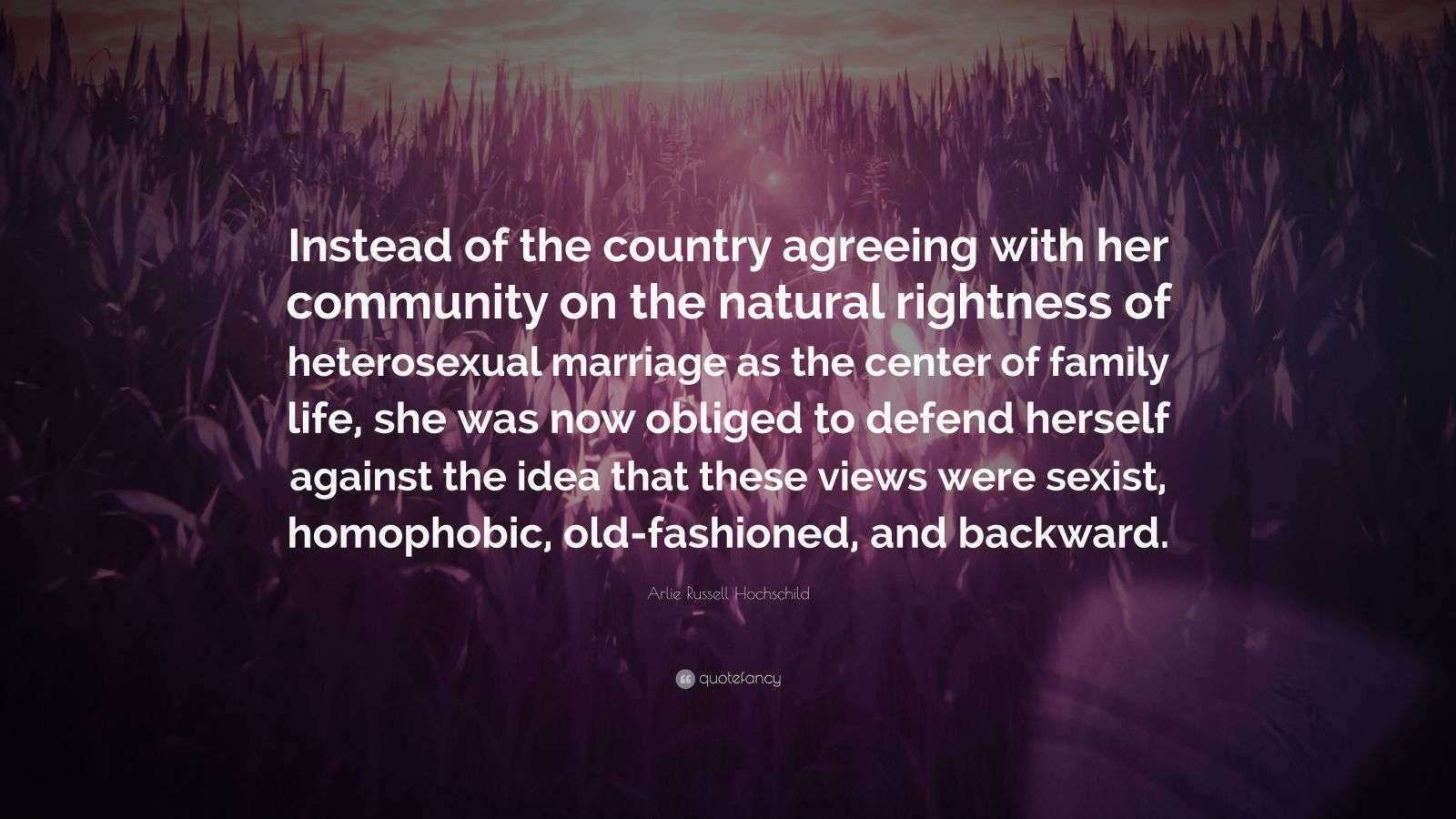
“Instead of the country agreeing to a new division of labor, families are left to negotiate an unbalanced truce.” Hochschild highlights a national hesitation to fully embrace gender equality inside the home, making each family’s ‘revolution’ a private, often imperfect battle.