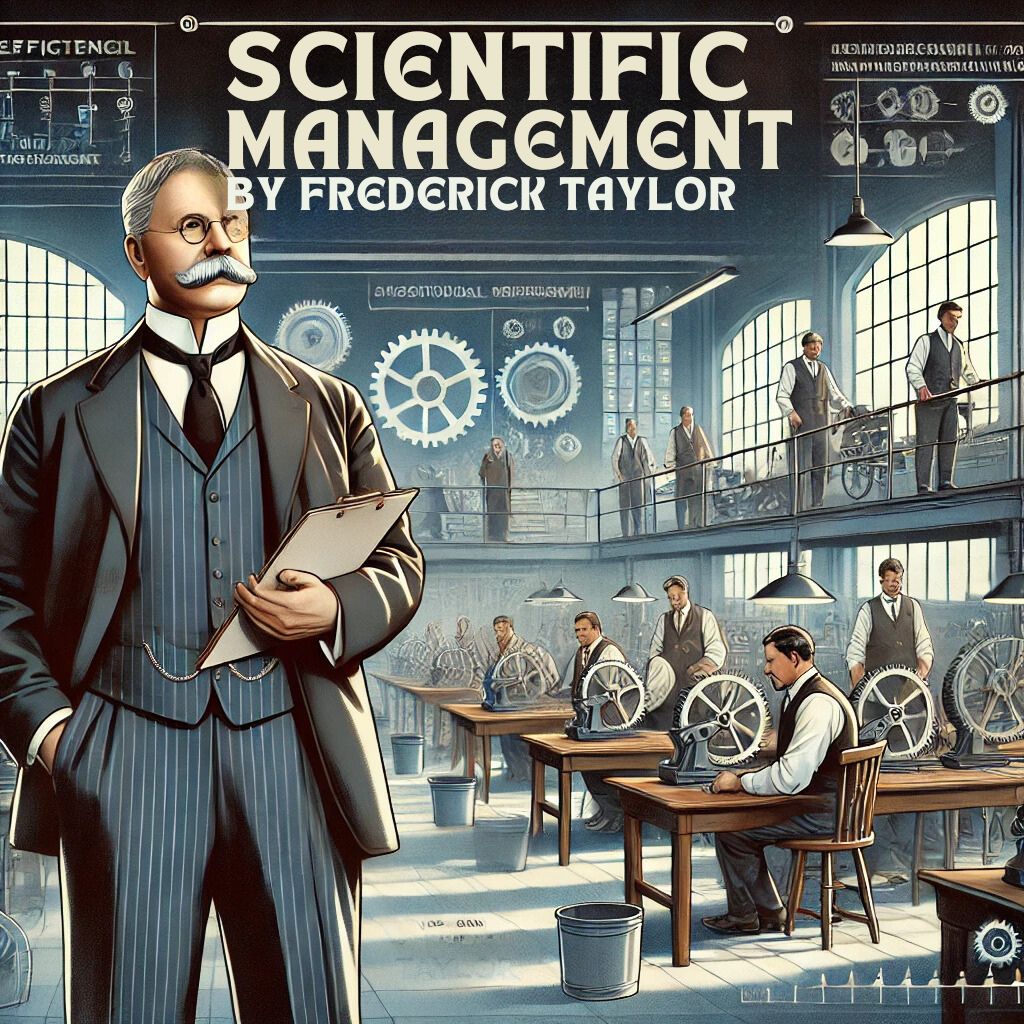
Efficiency has been a cornerstone of workplace productivity discussions for over a century, largely thanks to Frederick W. Taylor’s groundbreaking work, The Principles of Scientific Management. His sharp observations and radical ideas revolutionized how organizations approached labor and workflow, emphasizing measurement, standardization, and optimization. The timeless nature of Taylor’s insights continues to intrigue thinkers and practitioners alike, revealing layers of wisdom in what might at first seem like straightforward industrial rules. Here are 10 quotes from Taylor’s principles that illuminate the pursuit of efficiency and its underlying appeal.
The Power of Task Standardization
“The first object of scientific management is to secure the maximum prosperity for the employer, coupled with the maximum prosperity for each employee.” This opening sentiment underscores the balanced approach Taylor advocated. Efficiency is not just about pushing workers harder; it is about optimizing methods so both employer and employee benefit from better productivity and higher earnings. The alignment of interests is key, revealing that efficiency is deeply tied to fairness and systematic thought.
Measuring to Manage

“Scientific management means knowing exactly what you want men to do and then seeing that they do it in the best and cheapest way.” The emphasis on precise measurement here reflects a common observation—the clearer the goal, the easier it is to achieve it. Taylor’s fascination with exactness hints at the human desire to transform uncertainty into control, illuminating why his principles hold such enduring relevance.
The Role of Planning and Preparation
“Management takes over all work for which men are not specially fitted.” This quote shows Taylor’s insight into the division of labor not only within tasks but between thinking and doing. By recognizing that planning belongs to management, Taylor shifted efficiency from random effort to organized processes, capturing why reliance on expertise fuels productivity and sparks continuous improvement.
Optimizing Work Methods

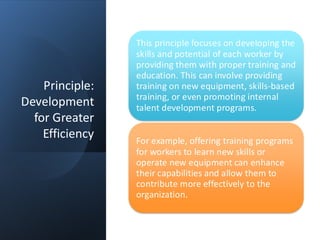
“The best workmen are those who have been selected and trained for the work for which they are best suited.” Labor specialization is a key to maximized efficiency—this quote highlights the importance of matching skills with tasks. Taylor’s scientific selection process reminds us that efficiency is not accidental but cultivated through deliberate preparation and continuous learning.
Work Simplification and Rhythm
“In the past, the man has been first; in the future, the system must be first.” Taylor’s words here address an often debated observation: individual effort cannot supersede a smooth system. The fascination lies in how systems thinking transforms isolated labor actions into a coherent flow, making sustained efficiency achievable through structure rather than sheer human will alone.
These quotes from Frederick Taylor’s principles reveal that efficiency is far more than speed or cost-cutting. It’s a multi-dimensional idea encompassing fairness, precision, preparation, proper skill allocation, and systematic coordination. The depth of Taylor’s insights explains why his work continues to influence management thought and practice today.