


Jack London’s timeless novel The Call of the Wild explores the raw instincts and survival tactics that define life in the wild. Through the journey of Buck, a domesticated dog thrust into the brutal Klondike wilderness, London reveals the primal forces that drive all creatures to endure and adapt. Here are 10 profound quotes from the novel that illuminate themes of survival and instinct, each accompanied by reflections that deepen their meaning.
1. The Awakening of Primal Instincts
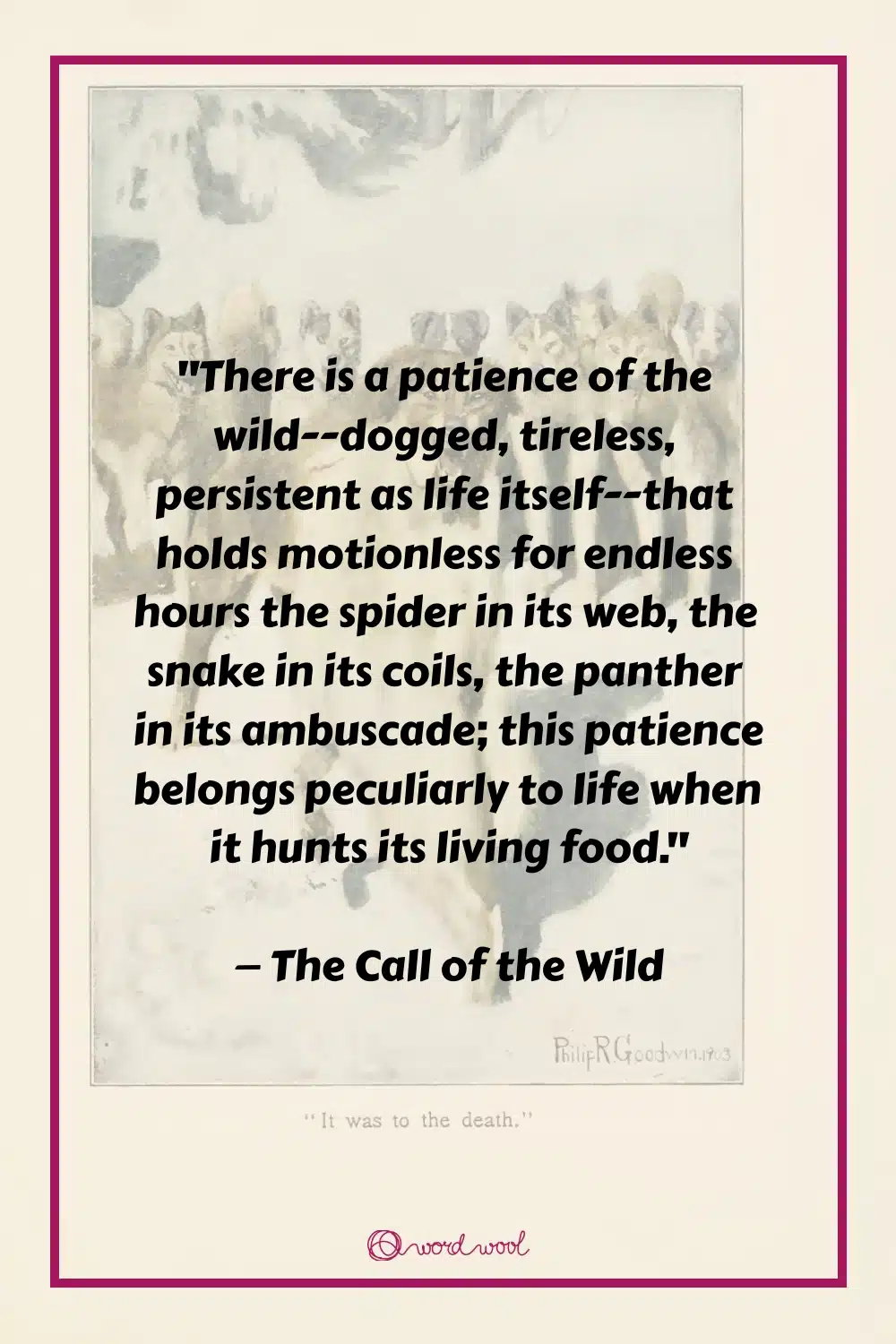
“He was a killer, a thing that preyed, living on the things that lived, unaided, alone, by virtue of his own strength and prowess, surviving triumphantly in a hostile environment where only the strong survived.” This quote captures Buck’s transformation from a pampered pet into a fierce survivor, emphasizing how survival triggers the awakening of inherent instincts within.
2. The Domesticated Dog’s Struggle
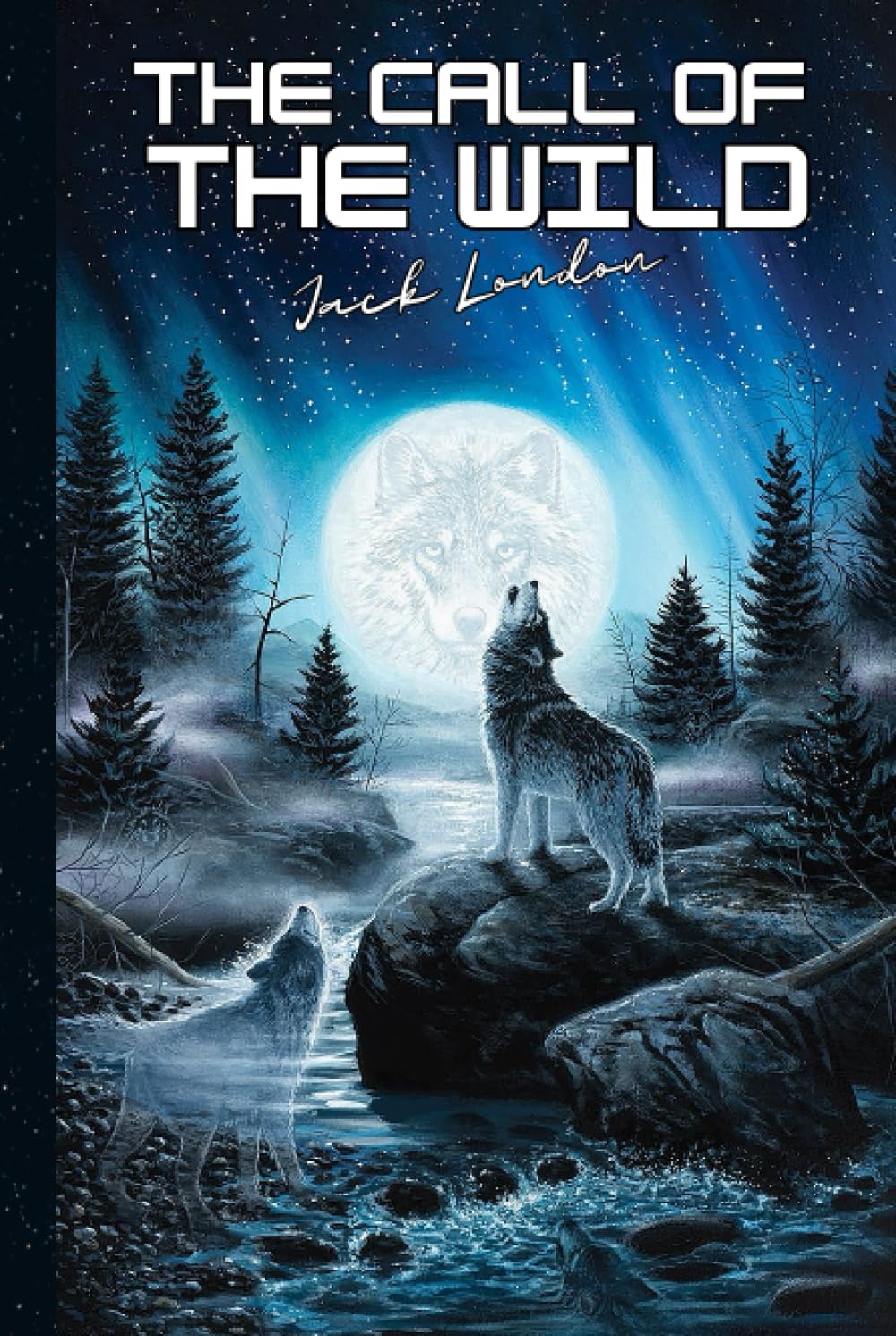
“The Call of the Wild” is not just a story about animals — it is a vivid depiction of what happens when the veneer of civilization peels away. Buck’s journey reminds us that beneath the surface, instinct still shapes behavior, often subliminally guiding decisions for survival and adaptation.
3. Reconnecting with the Wild
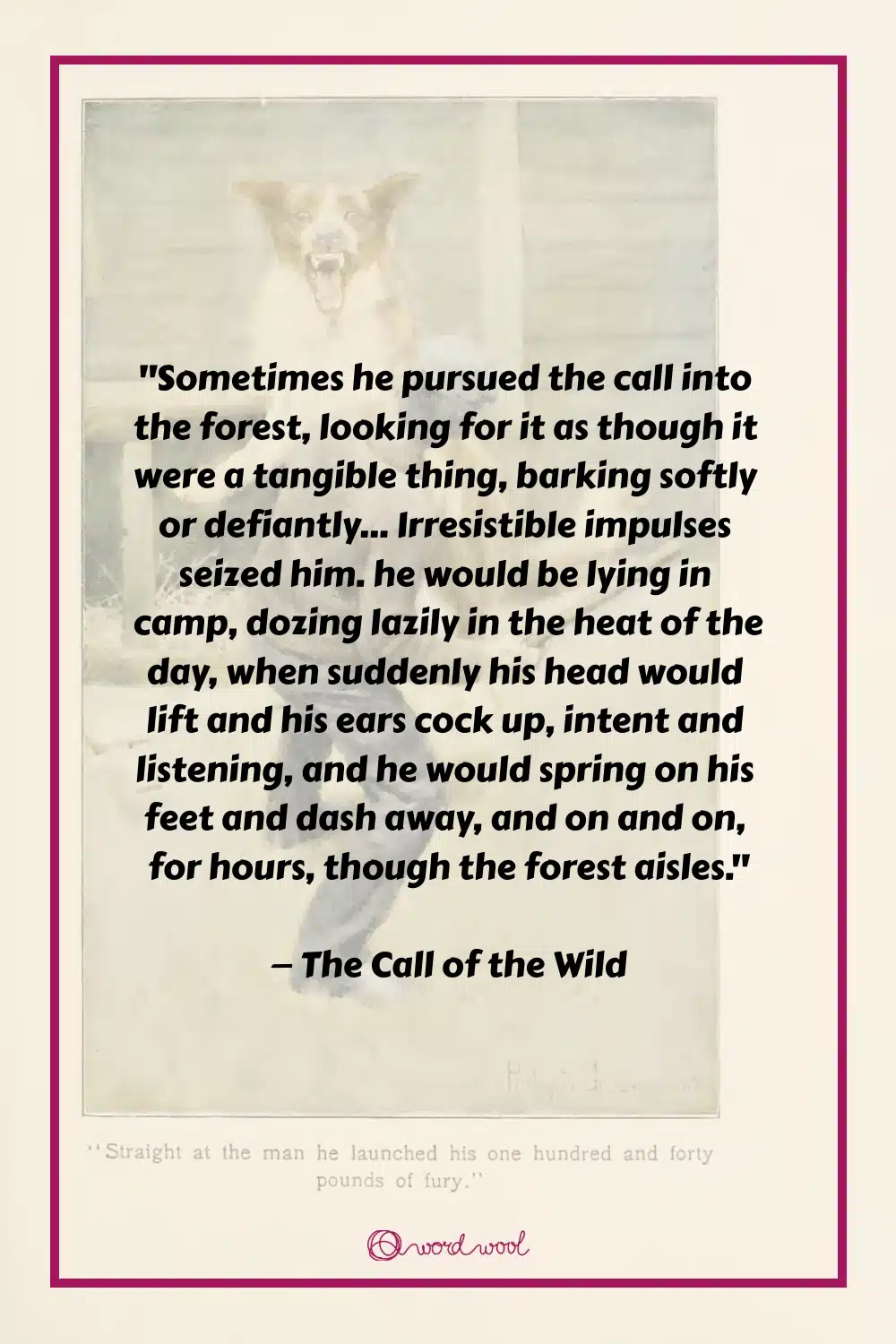
“Sometimes he was reminded that he was no longer a tame dog. There was a wildness about him now.” This highlights the powerful call of nature, an echo within all creatures to return to their roots and harness the wild instincts necessary for survival in unforgiving environments.
4. The Importance of Pack Mentality

“The instincts of the wild were strong in him, and he learned the laws of the wild: the law of club and fang, the law of the trail, the law of the pack.” London underlines the crucial role of social structure in survival, where pack mentality becomes both a defensive and offensive mechanism, providing strength through unity.
5. The Law of Kill or Be Killed

“Kill or be killed, eat or be eaten—this was the law and this mandate down out of the depths of Time.” Survival in the wilderness is stark and brutal, dictated by ancient laws that allow no room for weakness. Instincts sharpen to meet these harsh requirements, defining existence itself.
6. Power Through Experience
“He was mastered by the sheer surging of his blood, the love of the fearsome and the unknown.” Buck’s growing knowledge of his environment grants him power, as instinct alone is not enough without experience and adaptability—key components in mastering survival.
7. The Call Beneath Civilization
“There is an ecstasy that marks the summit of life, and beyond which life cannot rise. And such is the paradox of living, this ecstasy comes when one is most alive, and it comes as a complete forgetfulness that one is alive.” This quote expresses the profound connection between survival and living at the peak of one’s abilities, responding instinctively to life’s demands.
8. Instinct as an Evolutionary Force
“He had learned to live and love the way of the wild.” Survival forces a deep evolution not only physically but mentally and emotionally, reshaping identity and priorities in accordance with the primal laws.
9. The Primacy of Adaptation
“Every day was a day of battle, yet every day was joy and exaltation.” This emphasizes that adaptation to a tough environment is not just endurance but a triumph, a celebration of life through the mastery of instinctual and learned behavior.
10. The Enduring Power of the Wild
“No more were to be heard the cries of the broken and defeated; instead, the old call came, the call of the wild, sounding its challenge and promise.” The novel concludes on a note that acknowledges the indelible pull of survival and instinct, an eternal force that shapes life across all species.
