In the tapestry of ancient wisdom, the Book of Ecclesiastes weaves a profound reflection on the fleeting nature of vanity and the relentless passage of time. Like shadows slipping through our fingers, these verses capture the essence of human endeavor and the silent ticking of life’s clock. Each quote is a thread of thought—rich with metaphor—inviting us to ponder what truly endures beyond the ephemeral glitter of existence. Here are 10 illuminating quotes from Ecclesiastes that shine a lantern on vanity and time, urging us to grasp the river of moments before they vanish into the abyss.
Vanity Upon Vanity: The Echo of All Things Fleeting

“Vanity of vanities, says the Preacher, vanity of vanities! All is vanity.” This quintessential refrain rings through the corridors of Ecclesiastes like a solemn bell tolling the transient nature of life’s pursuits. It is a metaphorical mirror, reflecting the futility of chasing shadows—our ambitions, treasures, and even our joys—no matter how dazzling in the moment. In this light, vanity becomes a cascading echo, endlessly repeating yet never lasting.
The Sands of Time Slip Through Our Hands
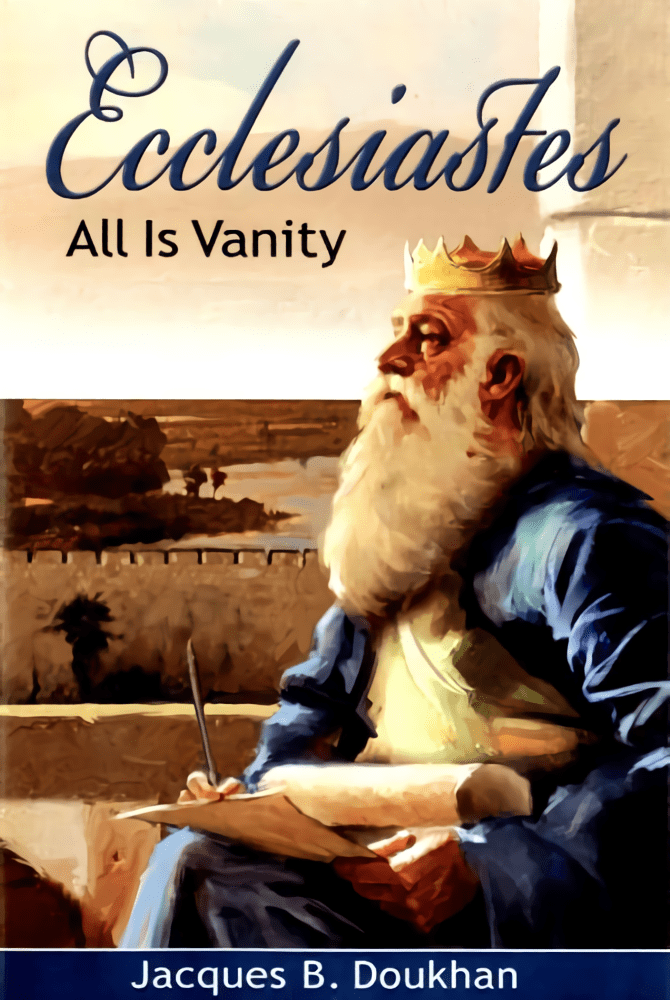
“What has been will be again, what has been done will be done again; there is nothing new under the sun.” Time, here, is portrayed as a vast desert of dunes rolling endlessly, where every ripple is revisited. This metaphor reveals our habitual blindness to novelty in the grand cycle of existence—a reminder that, despite our efforts, we remain part of an unchanging temporal rhythm, where vanity and repetition intertwine.
The Fleeting Breath of Life Captured in Moments

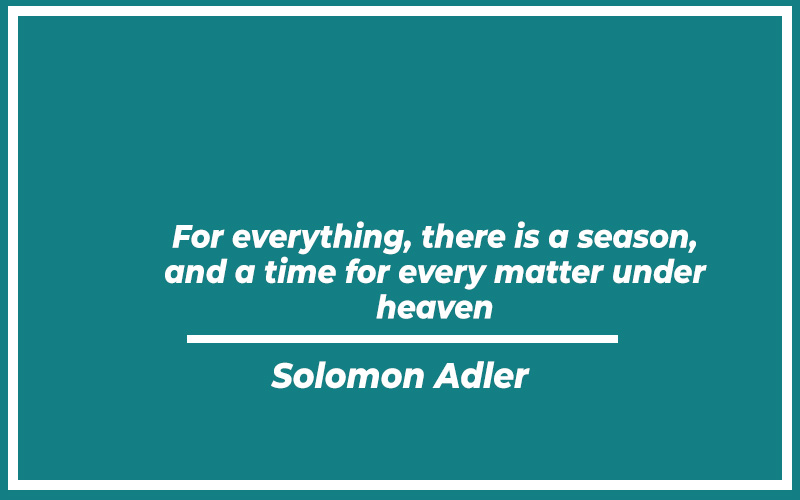
“For everything there is a season, and a time for every matter under heaven.” Life is painted here as a symphony conducted by an unseen hand, each phase a fleeting note in the grand composition. This metaphor emphasizes time’s preciousness; it is a river with bends and currents that demand awareness, lest we drown in our vanity, neglecting the right moments to act, to weep, or to dance.
The Illusion of Endless Tomorrow
“Do not say, ‘Why were the former days better than these?’ For it is not from wisdom that you ask this.” Here, the voice of Solomon cautions against the seductive nostalgia that ensnares many minds. The metaphor reveals vanity as a gilded cage, weaving illusions of perfect pasts and eternal tomorrows, blinding us to the precious present that slips away with each breath.
The Silent March of Time and the Vanity of Labor

“I saw that all toil and all achievement spring from one person’s envy of another.” Work, ambition, and strife are cast as the shadows we chase on the wall of existence—our vanity’s playful puppetry. Time marches silently forward, indifferent to our struggles, while envy stokes the fire of labor that ultimately leaves us grasping at smoke.